Pull to refresh
Logo
Daily Brief
Following
Why Ranks Sign Up
Robotic spacecraft launches to catch NASA's falling Swift telescope

Robotic spacecraft launches to catch NASA's falling Swift telescope

New Capabilities

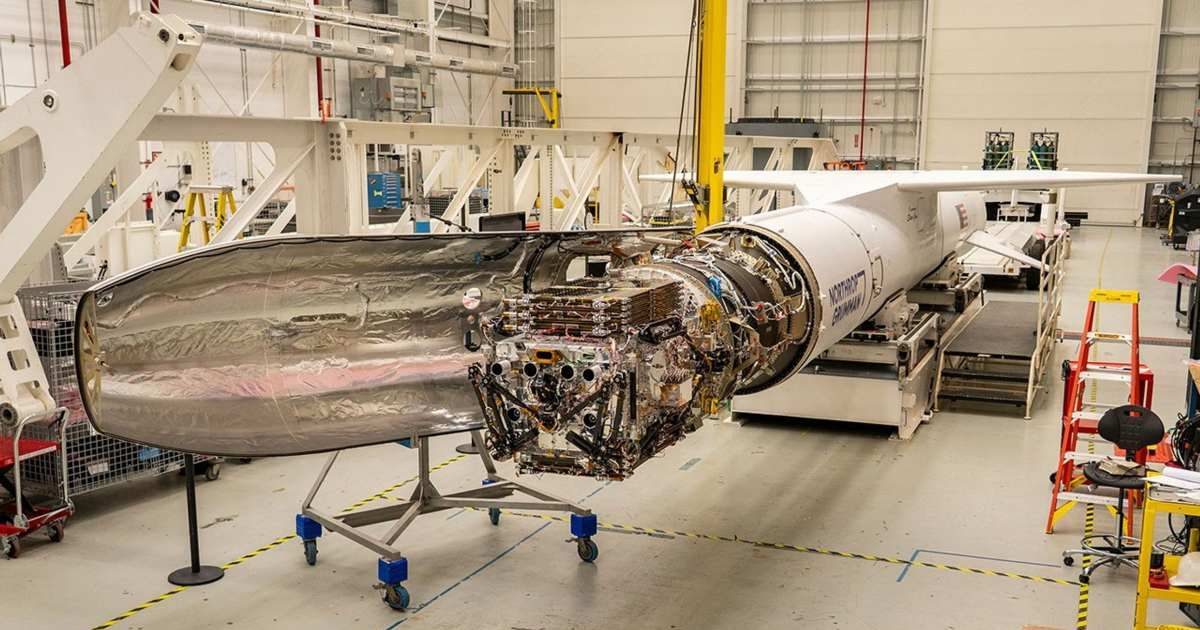
The last Pegasus rocket carries a fridge-sized robot built to grab a satellite that was never meant to be serviced.

Today: Final Pegasus launches the rescue robot

Overview

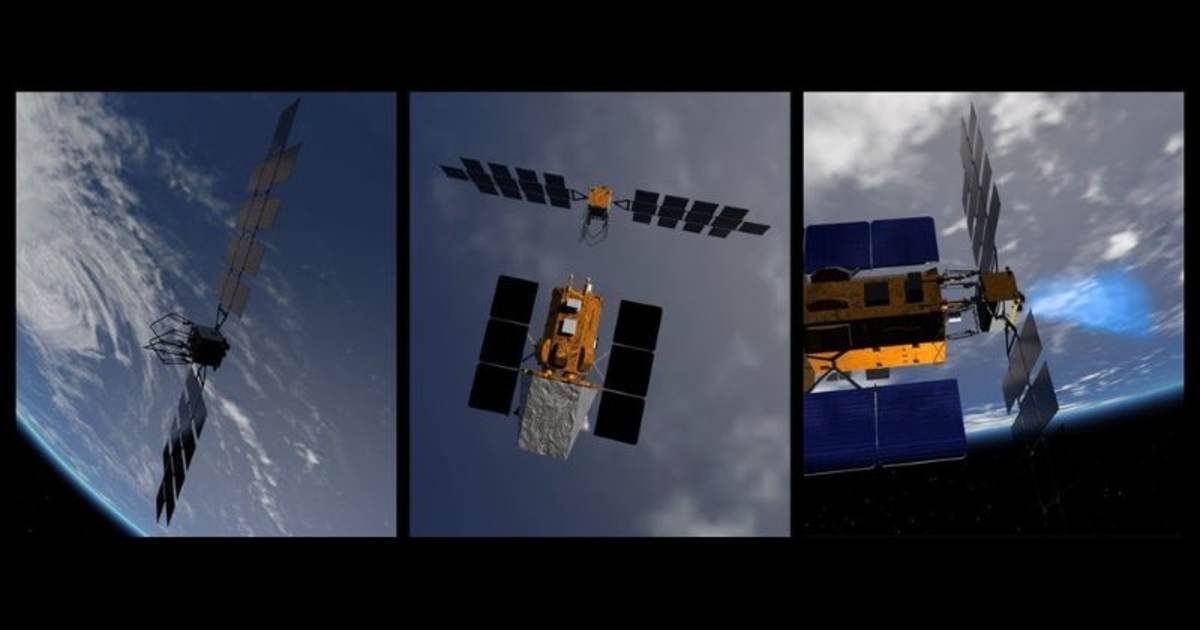
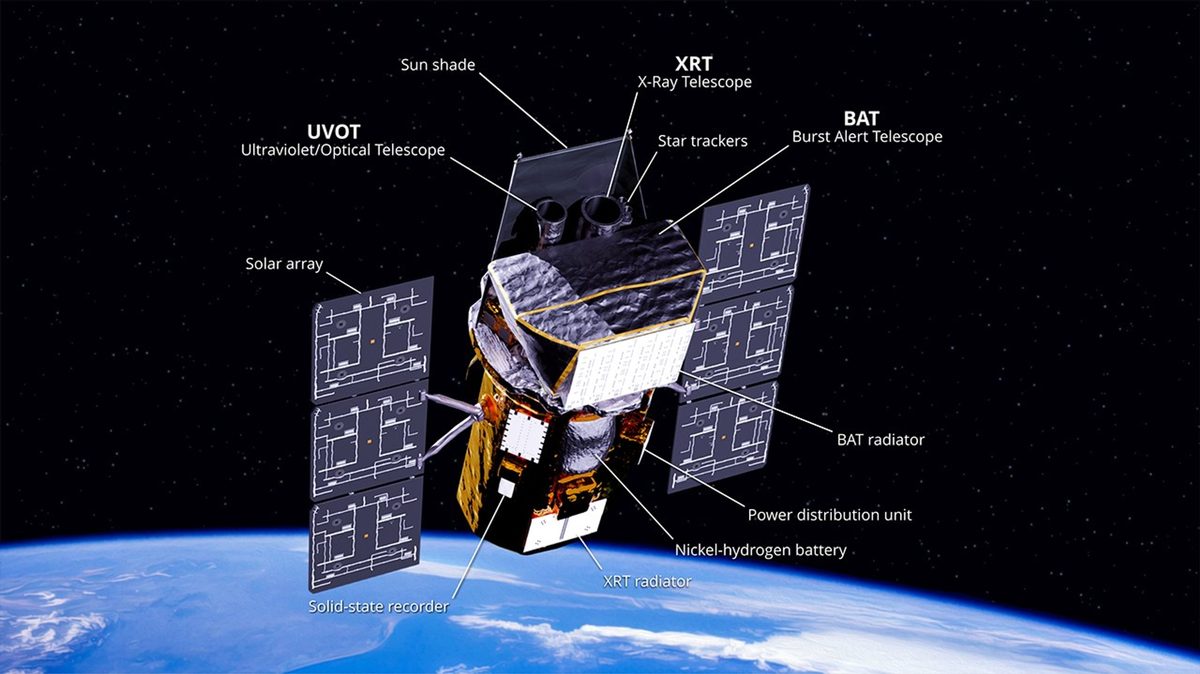
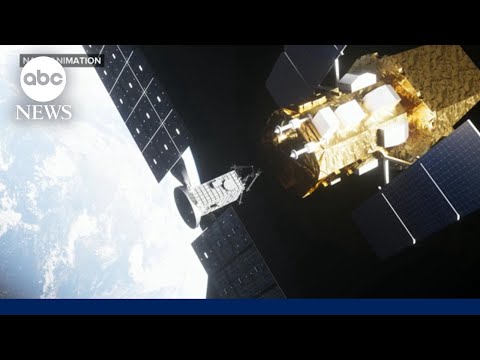
A robot the size of a refrigerator is chasing a falling NASA telescope. Its job is to grab a 21-year-old satellite that was never built to be caught, then push it back up before it burns in the atmosphere.

Every past in-orbit rescue grabbed a target fitted with docking points. Swift has none. If Katalyst's LINK spacecraft pulls this off, it shows almost any satellite up there could be saved, moved, or repaired.

Why it matters

If LINK catches Swift, NASA proves almost any satellite in orbit can be rescued, not just the few built with docking ports.

Questions about this story

No questions yet — be the first to ask.

Key Indicators

$30M
Total mission cost
NASA's full budget for the rescue, including the launch.
8 months
Time to build LINK
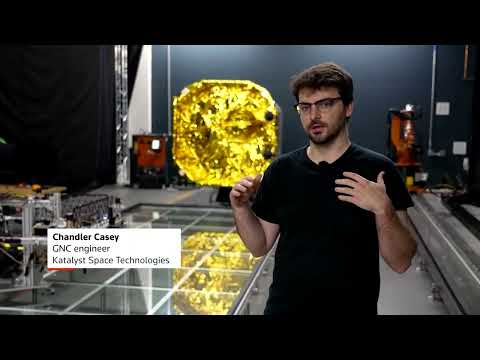
Katalyst designed, built, and tested the spacecraft in under a year.
First
Capture of an unprepared satellite
No spacecraft built without docking gear has ever been grabbed in orbit.
36 years
Pegasus service life
This flight retires the last operational air-launched orbital rocket.

Voices

Curated perspectives — historical figures and your fellow readers.

Ever wondered what historical figures would say about today's headlines?

Sign up to generate historical perspectives on this story.

Play

Exploring all sides of a story is often best achieved with Play.

Log in to play. Track your picks, climb the leaderboards. Log in Sign Up
Predict 4 ways this could play out. Contrarian picks score more — points lock when the scenario resolves. Log in to play
Higher or Lower Two numbers from this story. Guess which is bigger. 5 rounds to set a streak. Log in to play
Connections Sixteen names from the news. Find the four hidden groups of four. Log in to play

People Involved

Organizations Involved

Timeline

November 2004 June 2026

5 events Latest: Today
Tap a bar to jump to that date
  1. Final Pegasus launches the rescue robot

    Today Launch

    The last Pegasus XL drops from its carrier plane over Kwajalein Atoll and sends LINK toward Swift. The flight retires Pegasus after 36 years.

  2. LINK mated to Pegasus XL

    Development

    The spacecraft is integrated with the rocket, clearing the way for launch.

  3. LINK enters testing

    Development

    Katalyst begins integrated testing of the LINK spacecraft, its arms, engines, and sensors.

  4. NASA hires Katalyst to save Swift

    Decision

    With Swift's orbit decaying, NASA awards a $30 million contract for a robotic boost. Katalyst gets under a year to build the spacecraft.

  5. Swift telescope reaches orbit

    Background

    NASA launches the Swift observatory to detect gamma-ray bursts from deep space.

Historical Context

3 moments from history that rhyme with this story — and how they unfolded.

April 1984

Solar Maximum Mission repair (1984)

Space Shuttle Challenger astronauts chased down NASA's ailing Solar Max satellite, captured it with the shuttle's robotic arm, and fixed it in the payload bay. A first attempt to grab it by hand had failed, nearly sending the satellite tumbling.

Then

The repaired satellite returned to work and studied solar flares for several more years.

Now

It showed that catching and fixing a satellite in orbit was possible, not just theory.

Why this matters now

Like Swift, Solar Max had to be physically grabbed. But astronauts did it by hand, and the satellite had a fitting made for capture. LINK must do it alone, on a target with no such fitting.

December 1993

Hubble Space Telescope servicing (1993)

Shuttle astronauts captured the Hubble telescope and installed corrective optics to fix its blurry mirror, plus new instruments. The mission rescued a $1.5 billion telescope that critics had called a national embarrassment.

Then

Hubble began returning sharp images and became one of science's most productive instruments.

Now

Four more servicing flights kept Hubble running for decades, proving the value of fixing telescopes in orbit.

Why this matters now

Hubble was designed for servicing, with a grapple fixture and handholds. Swift was not. The Katalyst attempt tests whether the Hubble payoff can be repeated on a satellite built without any help for the rescuer.

February 2020

MEV-1 docks Intelsat 901 (2020)

Northrop Grumman's Mission Extension Vehicle linked up with the aging Intelsat 901 communications satellite about 22,000 miles up and took over its steering, extending the satellite's working life by five years.

Then

Intelsat 901 returned to service with MEV-1 acting as its engine and steering.

Now

It launched commercial satellite life-extension as a real business and a second MEV flew soon after.

Why this matters now

MEV-1 was the closest precedent, but it grabbed a standard engine nozzle that many satellites share. Swift offers no such common feature, so LINK must improvise on hardware never meant to be a handhold.

Sources

(6)