
Syria agrees to let UN watchdog remove uranium from bombed reactor site
Force in PlayA US-brokered deal clears Assad-era nuclear material from a site Israel threatened to strike again
Today: Syria confirms cooperation on removalNew here? Follow stories to track developments over time. Create a free account to get updates when stories you care about change.
Overview
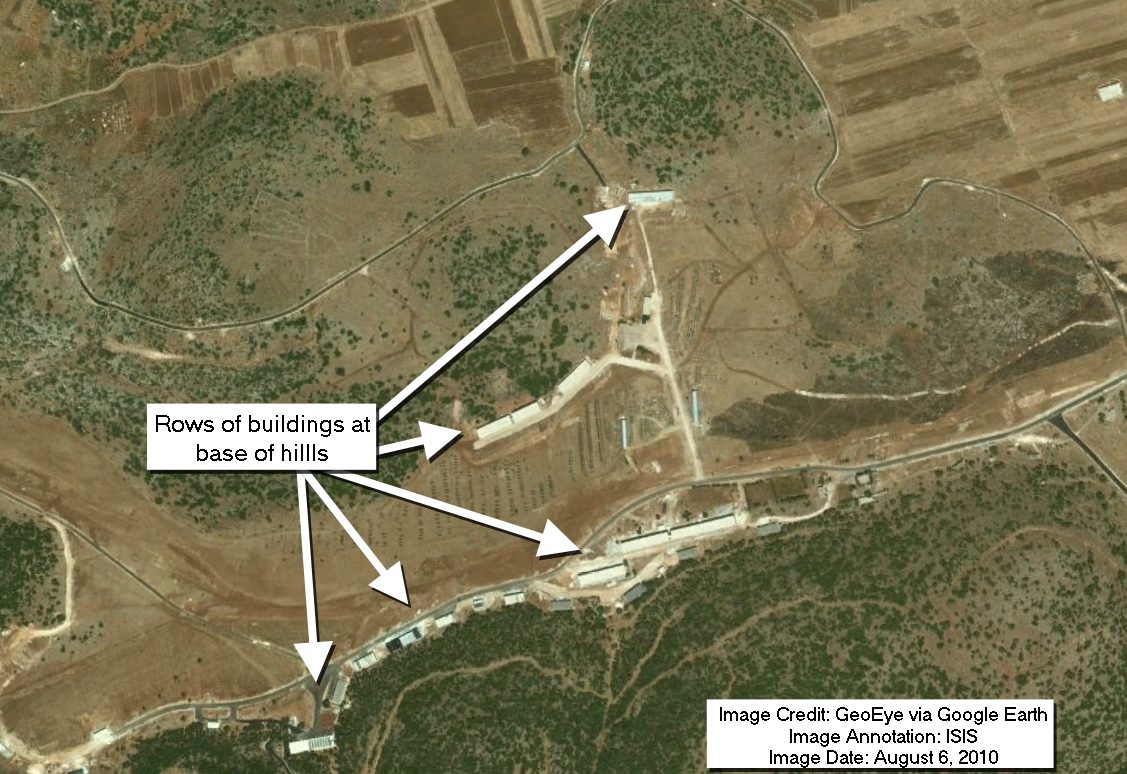
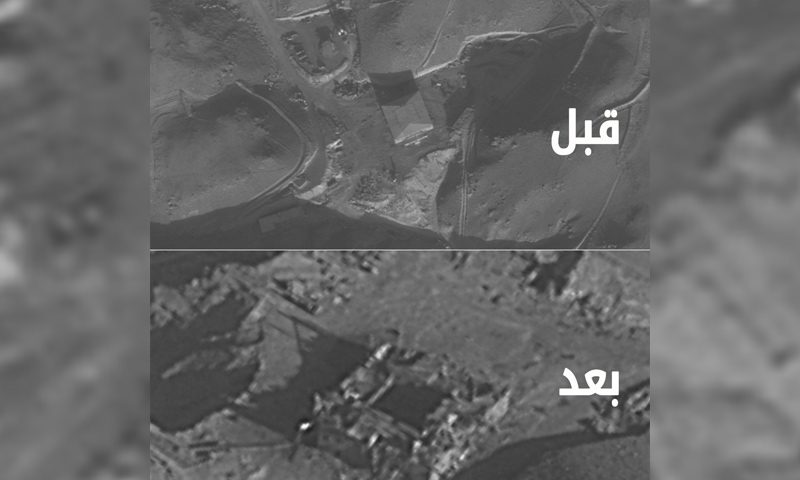
For nineteen years, the ruins of a bombed reactor in eastern Syria held a stash of uranium no inspector could touch. Now Syria's new government says it will let the United Nations nuclear watchdog, the International Atomic Energy Agency (IAEA), haul the material away. The move heads off an Israeli threat to bomb the site a second time.
The material is yellowcake, a lightly processed uranium powder left over from the Al-Kibar reactor Israel destroyed in 2007. It cannot make a bomb on its own. But experts warn it could seed a radiological 'dirty bomb,' so removal, brokered by the United States, is due by the end of 2026.
Why it matters
Removing Assad's last nuclear stockpile defuses a site Israel was ready to bomb again, lowering the odds of a new strike inside Syria.
Questions about this story
No questions yet — be the first to ask.
Key Indicators
Voices
Curated perspectives — historical figures and your fellow readers.
Play
Exploring all sides of a story is often best achieved with Play.
Higher or Lower
A number from this story, against one from elsewhere in the news — guess which is bigger, then keep the chain going. 5 rounds, 3 strikes; a miss costs a strike and resets your streak.
Keyboard: ↓/L lower · ↑/H higher
0 points — sign up to put that on the leaderboard.
Timeline
Order five events from this story, oldest at top. Each in the right slot scores 1 — neighbours within one slot count too. Your previous result — green ✓ for exact slots, yellow ~ for off by one. Cards now in true chronological order.
Sign up to save your score and track a streak across stories.
Connections
Sixteen names from the news. Find the four hidden groups of four. Four mistakes max.
Sign up to keep a daily streak — a new puzzle lands every day.
Exit debate?
Your progress in this debate will be lost.
- 1 Two AI personas square off on this story.
- 2 You predict who'll win each round — correct picks earn XP.
- 3 One crossfire question is yours to fire. Pick it carefully.
Couldn't generate a topic
Select Your Champions
Choose one persona for each side of the debate
DEBATE TOPIC
Choose personas with different perspectives for a more dynamic debate.
Select debater for this side:
No debate personas available right now.
Select debater for this side:
No debate personas available right now.
Who's Got This Round?
Make your prediction before the referee scores
The referee scores both sides on
Round Results
Set the Crossfire
Pick the question both personas must answer in the final round
Debate Oracle! You called every round!
Sharp Instincts! You know your debaters!
The Coin Flip Strategist! Perfectly balanced!
The Contrarian! Bold predictions!
Inverse Genius! Try betting the opposite next time!
XP Breakdown
Prediction History
People Involved
Organizations Involved
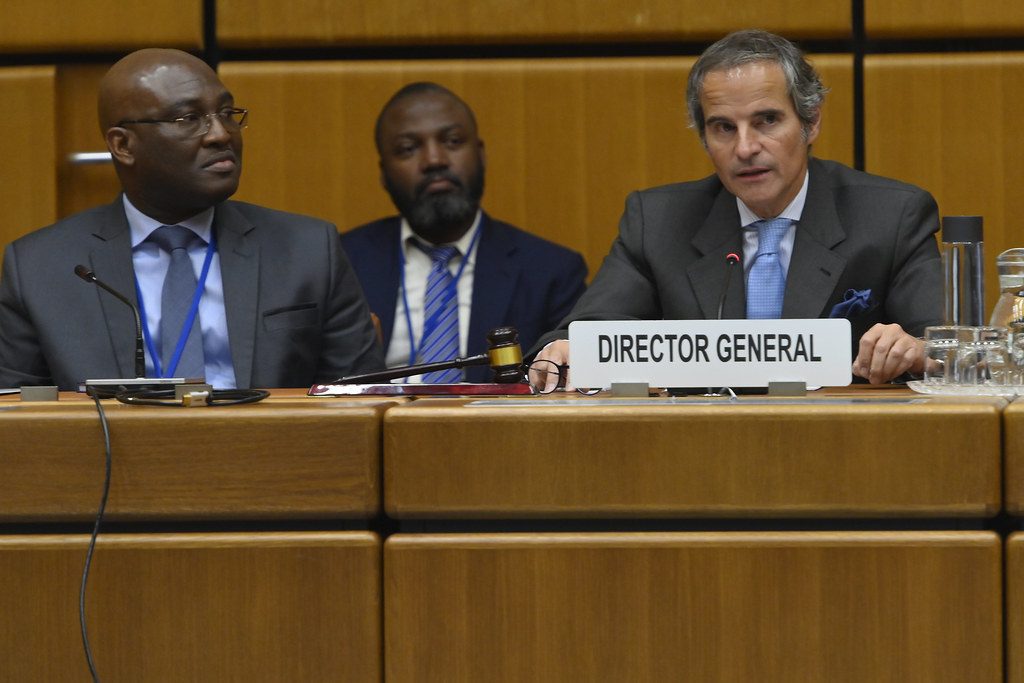
The UN's nuclear watchdog, which verifies that countries' nuclear material is not diverted to weapons.
Washington mediated between Syria, Israel and the IAEA to arrange the removal.
Timeline
September 2007 August 2026
-
Syria confirms cooperation on removal
Today StatementSyria's government publicly confirms it will work with the IAEA to remove the material, a de-escalation step after Israel's threat to strike again.
-
US-brokered deal reported
StatementAxios reports a secret understanding among the US, Syria, Israel and the IAEA to clear yellowcake from Site 99 by year's end.
-
IAEA and Syria sign removal arrangement
DiplomacyAfter Israeli surveillance flags activity near Site 99, the US brokers a deal and the IAEA signs an arrangement with Syria to remove the material.
-
Syria reopens nuclear sites to inspectors
DiplomacyAfter Grossi meets al-Sharaa in Damascus, Syria grants the IAEA access to four sites tied to its past nuclear work.
-
Assad's government falls
PoliticalBashar al-Assad is ousted. A transitional government under Ahmed al-Sharaa takes power in Damascus.
-
IAEA concludes the site was a reactor
InvestigationThe IAEA reports the destroyed site was 'very likely' an undeclared nuclear reactor. Assad's government refuses further cooperation.
-
Israel destroys the Al-Kibar reactor
Force in PlayIsraeli jets bomb a secret gas-graphite reactor near Deir ez-Zor, built with North Korean help. Both governments stay silent for years.
Historical Context
3 moments from history that rhyme with this story — and how they unfolded.
Libya gives up its WMD program (2003-2004)
Muammar Gaddafi announced Libya would abandon its nuclear and chemical weapons programs. Over 2004, American and IAEA teams removed centrifuges, uranium and design documents, flying key material to the United States.
Sanctions eased and Libya's international isolation began to lift.
Held up as a model of voluntary disarmament, though Gaddafi's violent fall in 2011 later complicated its lessons.
Another state surrendered nuclear material to defuse Western pressure, with outside teams doing the physical removal.
Syria's chemical weapons removed (2013-2014)
After a sarin attack near Damascus killed hundreds, the US threatened strikes. A US-Russia deal instead put Syria's chemical stockpile under international control, and the OPCW shipped out roughly 1,300 tonnes of agents for destruction.
US strikes were averted and most declared chemical agents left the country.
Later chemical attacks showed the disarmament was incomplete, denting the deal's credibility.
Same country, same pattern: dangerous material removed under threat of military strike, overseen by an international body.
North Korea's Yongbyon freeze (1994)
The US and North Korea signed the Agreed Framework to freeze the Yongbyon gas-graphite reactor, the same design North Korean engineers later helped Syria copy at Al-Kibar, in exchange for aid and lighter-water reactors.
Yongbyon's plutonium work paused for several years.
The deal collapsed by 2002-2003 and North Korea went on to test nuclear weapons.
Shows the exact reactor lineage behind Al-Kibar and how such nonproliferation deals can unravel.
