


Pull to refresh
Logo
Daily Brief
Following
Why Sign Up
Global removal of weapons-usable uranium from civilian sites

Global removal of weapons-usable uranium from civilian sites

Built World

Venezuela becomes the 33rd country cleared as the NNSA pulls fuel from a 1991-era research reactor

Today: NNSA announces Venezuela removal complete

Overview

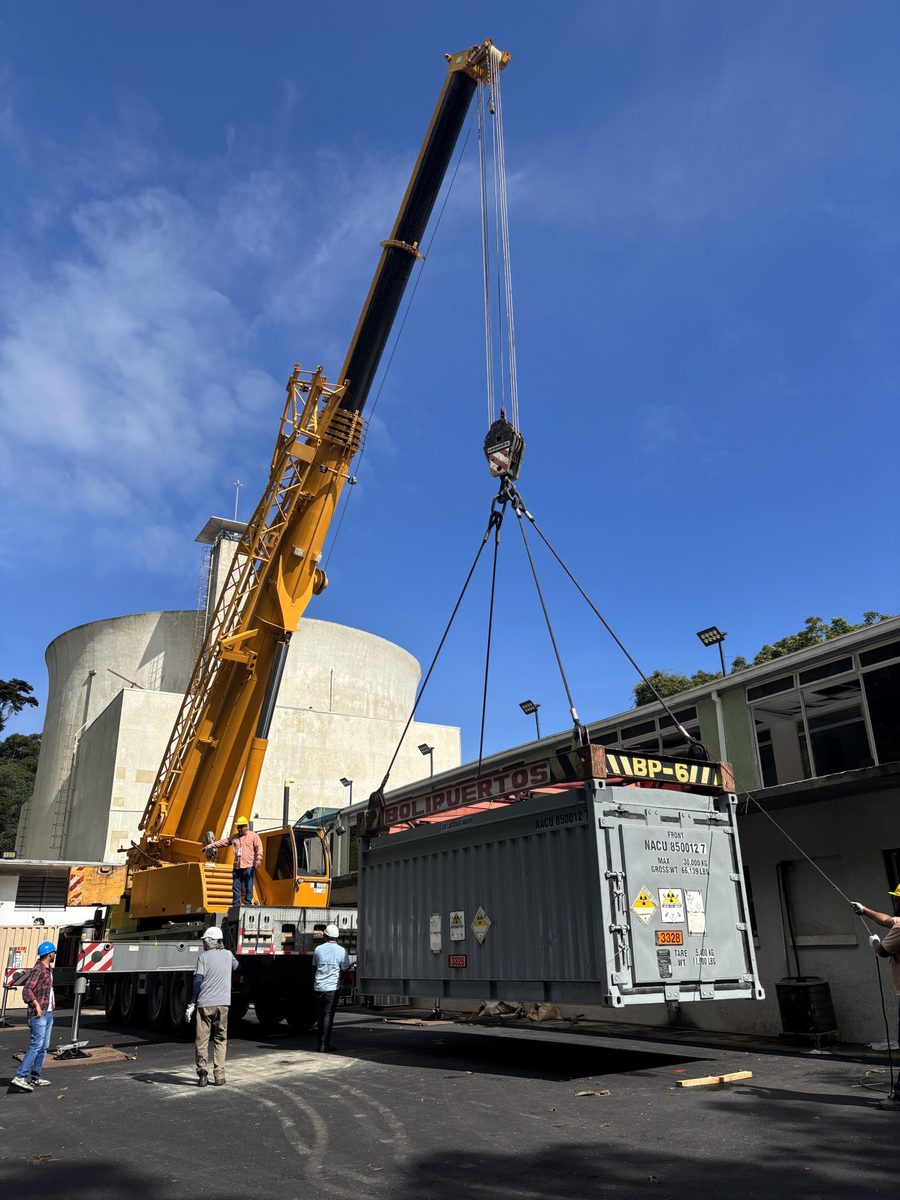
About 13.5 kilograms of bomb-grade uranium sat in a shuttered Venezuelan research reactor for 35 years. This week the US flew it to a processing site in South Carolina, less than six weeks after inspectors first walked the floor.

Why it matters

Each removal shrinks the list of places a thief or rogue state could grab uranium pure enough for a crude nuclear weapon.

Key Indicators

13.5 kg
Uranium removed from Venezuela
Enough fissile material for a crude nuclear device, enriched above the 20% weapons-usable threshold.
33
Countries cleared of HEU
Plus Taiwan. Up from one when Project Sapphire airlifted Kazakh uranium in 1994.
6 weeks
Venezuela operation duration
From initial site visit to material arriving in South Carolina. NNSA says comparable jobs usually take years.
1991
Year RV-1 reactor stopped
The uranium had been surplus for 35 years before removal.
20%
Enrichment threshold
Uranium above this level is classified as highly enriched and weapons-usable.

Interactive

Exploring all sides of a story is often best achieved with Play.

Ever wondered what historical figures would say about today's headlines?

Sign up to generate historical perspectives on this story.

Sign Up

Debate Arena

Two rounds, two personas, one winner. You set the crossfire.

People Involved

Organizations Involved

Timeline

  1. NNSA announces Venezuela removal complete

    Announcement

    DOE confirms all 13.5 kg of HEU is now in US custody. Venezuela becomes the 33rd country fully cleared of weapons-usable uranium.

  2. Uranium arrives at Savannah River Site

    Operation

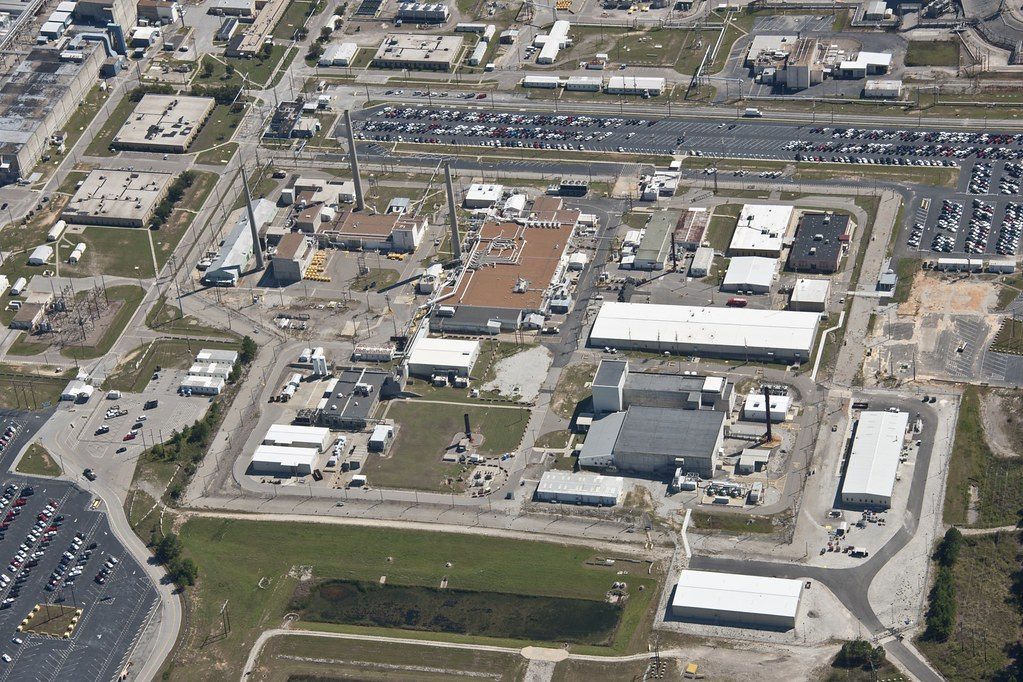
    After a 100-mile overland trip and a UK-flagged sea voyage, the containers reach the South Carolina facility for processing.

  3. First NNSA site visit to RV-1

    Operation

    Technical teams arrive at IVIC to inventory the fuel and prepare it for shipping containers.

  4. Energy Secretary Wright visits Venezuela

    Diplomatic

    Site assessment in Caracas sets up the formal removal mission. NNSA teams begin planning the transit route.

  5. US captures Venezuelan president Maduro

    Political

    Operation Absolute Resolve takes Nicolás Maduro into US custody, opening the door to nonproliferation cooperation with the post-Maduro government.

  6. Nigeria becomes 32nd country cleared of HEU

    Milestone

    NNSA reports total of 32 countries plus Taiwan have removed all weapons-usable uranium from their territory.

  7. Libya releases last HEU spent fuel

    Precedent

    After a month-long delay, Libya allows a Russian-chartered plane to remove the final 5.2 kg of HEU from the Tajoura research reactor.

  8. NNSA launches Global Threat Reduction Initiative

    Policy

    DOE formally consolidates HEU repatriation, reactor conversion, and radiological source recovery under one program.

  9. Project Vinca repatriates Serbian HEU

    Precedent

    48 kg of HEU, enough for two crude weapons, is flown under Yugoslav police escort from Belgrade to a Russian processing plant.

  10. Operation Auburn Endeavor clears Tbilisi

    Precedent

    US, UK and Georgia move about 5 kg of HEU from a Soviet-era research reactor in Tbilisi to Dounreay, Scotland.

  11. Project Sapphire airlifts Kazakh uranium

    Precedent

    C-5 transports fly 600 kg of HEU from a poorly secured Ust-Kamenogorsk site to Oak Ridge, kicking off the modern HEU minimization era.

  12. RV-1 reactor stops operating

    Origin

    After 35 years of physics and nuclear research, the reactor shuts down. The HEU fuel becomes surplus and stays at the site.

  13. Venezuela buys RV-1 reactor from General Electric

    Origin

    Under President Pérez Jiménez, Venezuela joins the IAEA and acquires a 3-megawatt pool-type research reactor for IVIC.

Scenarios

1

NNSA closes out the next holdout countries within five years

Discussed by: DOE press materials, James Martin Center for Nonproliferation Studies

With Venezuela cleared, the program turns to the dwindling list of states still holding civilian HEU. Most remaining sites are in research reactors awaiting conversion to low-enriched fuel. If host governments cooperate, NNSA could push the cleared-country count past 35 before the end of the decade.

2

Iran removal demanded but refused

Discussed by: PressTV, US administration officials

The Trump administration has signaled it wants to apply the same playbook to Iranian stockpiles, where enrichment levels have climbed well past the 20% threshold. Tehran has rejected past removal proposals and shows no interest in this one. Talks may continue, but the material likely stays in Iran absent a much larger settlement.

3

Trafficking incident exposes a missed stockpile

Discussed by: Bulletin of the Atomic Scientists, IAEA reporting

The 33-country tally only counts declared civilian HEU. Libya's missing 2.5 tons of natural uranium and recurring smuggling cases in the Caucasus suggest undeclared material is still in circulation. A seizure or theft attempt could force a fast follow-on operation.

4

Program funding cut as priorities shift

Discussed by: Arms Control Association, congressional appropriations watchers

NNSA's nonproliferation budget has competed for years with weapons modernization spending. If Congress redirects DNN funds toward HALEU production for domestic reactors, the slower work of converting the remaining civilian reactors could stall.

Historical Context

Project Sapphire (1994)

October–November 1994

What Happened

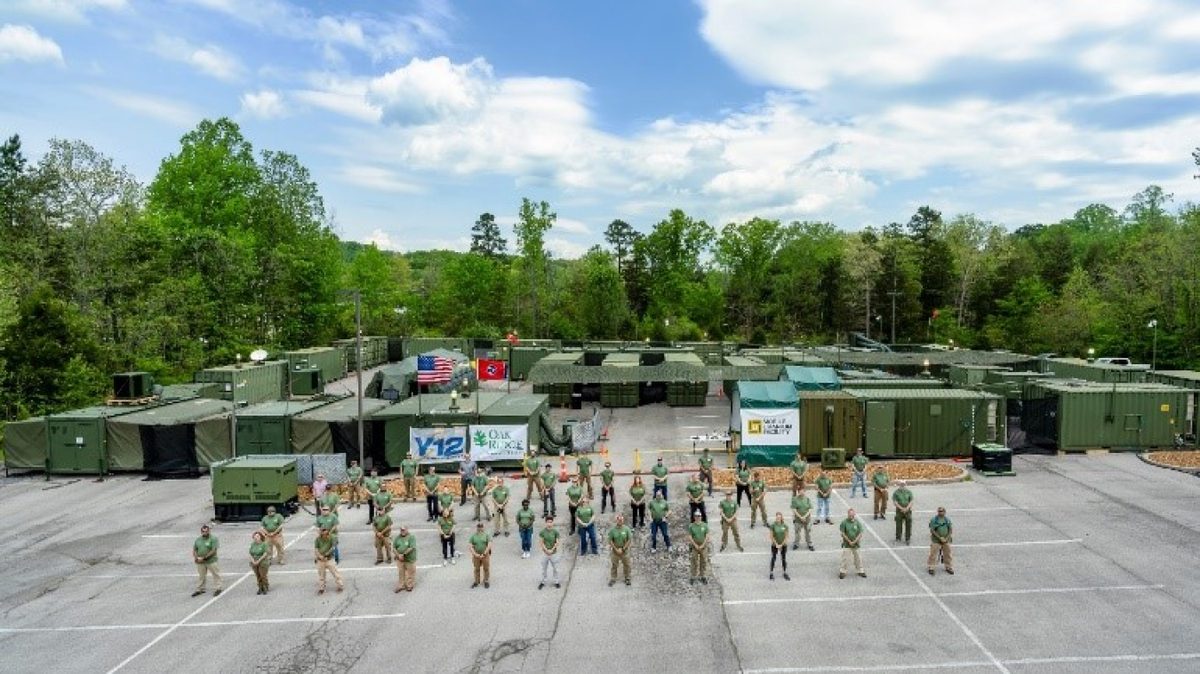
US intelligence located 600 kg of weapons-grade uranium sitting in an under-guarded warehouse in Ust-Kamenogorsk, Kazakhstan, after the Soviet collapse. Three C-5 transports flew the material to Oak Ridge under a directive signed by President Clinton.

Outcome

Short Term

The HEU was down-blended at Y-12 to fuel for civilian reactors under IAEA safeguards.

Long Term

Sapphire became the template for every later civilian HEU removal, including Venezuela's. It also seeded the broader Cooperative Threat Reduction program.

Why It's Relevant Today

Same agencies, same end destination type, same mechanism: get vulnerable bomb-grade fuel out of a civilian site and into US custody before something goes wrong.

Project Vinca (2002)

August 2002

What Happened

US, Russia and Serbia moved 48 kg of HEU, enough for two crude bombs, out of the Vinca Institute near Belgrade. The Nuclear Threat Initiative paid $5 million to fund spent-fuel cleanup because the State Department had no legal authority to do so.

Outcome

Short Term

Material flown under heavy police escort to Russia's Ulyanovsk plant for down-blending.

Long Term

Set the precedent for blended public-private financing in nonproliferation work and helped clear the rest of Yugoslavia's nuclear legacy by 2010.

Why It's Relevant Today

Like Venezuela, Vinca pulled fuel from a long-shuttered research reactor in a country going through a political transition. The political opening made the technical job possible.

Libya HEU repatriation (2009)

December 2009

What Happened

After Muammar Qaddafi gave up Libya's weapons program, the US, Russia and IAEA moved roughly 13 kg of HEU out of the Tajoura reactor. Libya halted the shipment for a month over an unrelated diplomatic dispute before releasing the final canisters.

Outcome

Short Term

Material airlifted to Russia for down-blending; the Tajoura reactor was later converted to low-enriched fuel.

Long Term

After Qaddafi fell, IAEA later flagged 2.5 tons of natural uranium missing from a separate Libyan storage site, a reminder of what gets left behind when political conditions deteriorate.

Why It's Relevant Today

Roughly the same amount of material as Venezuela, removed under similarly narrow political windows. Libya's later instability shows the cost of leaving any of it behind.

Sources

(11)