Anchor

Deadly 'genital theft' rumors spread across Africa via social media
Force in PlayFalse claims that strangers steal or shrink genitals have triggered mob killings in six countries since late 2025
3 days ago: BBC investigation documents 80+ deaths across six countriesNew here? Follow stories to track developments over time. Create a free account to get updates when stories you care about change.
Overview
Updated 1 hour agoIn April 2026, a mob in Tanzania beat mechanic Boniface Mgala, shouting that he had stolen someone's genitals. Across Africa, at least 80 people have died in similar attacks since October 2025.
The trigger is a false belief, pushed by videos on TikTok and Facebook, that a stranger's touch can shrink or steal a man's genitals. Mobs chase, beat, and kill the accused—some of them health workers, police officers, and civil servants. Mozambique's president says there is no medical evidence anyone lost a body part.
The wave began in the Democratic Republic of Congo, where similar claims surfaced in 2008. It has reached eight countries. Authorities say algorithm-driven feeds pushed videos to mass audiences before officials could respond, and some content creators spread the claims for engagement.
Why it matters
Social media algorithms pushed false 'genital theft' rumors across Africa, and mob violence since has killed more than 80 people.
Questions about this story
Free account needed to ask — your question is kept and asked for you right after sign-up. Answers are public.
No questions yet — be the first to ask.
Key Indicators
80+
People killed in mob violence, October 2025 – July 2026
BBC Global Disinformation Unit tally from police data in six African countries.
55
Deaths in Mozambique over six weeks
Worst-hit country; victims included a police officer, health workers, and civil servants.
8
African countries where rumors spread
DRC, Burundi, Zambia, Tanzania, Mozambique, Angola, Malawi, Kenya.
17
Killings linked by WHO-backed monitoring alliance
Africa Infodemic Response Alliance documented at least 17 killings tied to the rumors.
Related Media

Genital Theft Mystery; Africa Social Media Rumour Murder | Tanzania Congo Mozambique
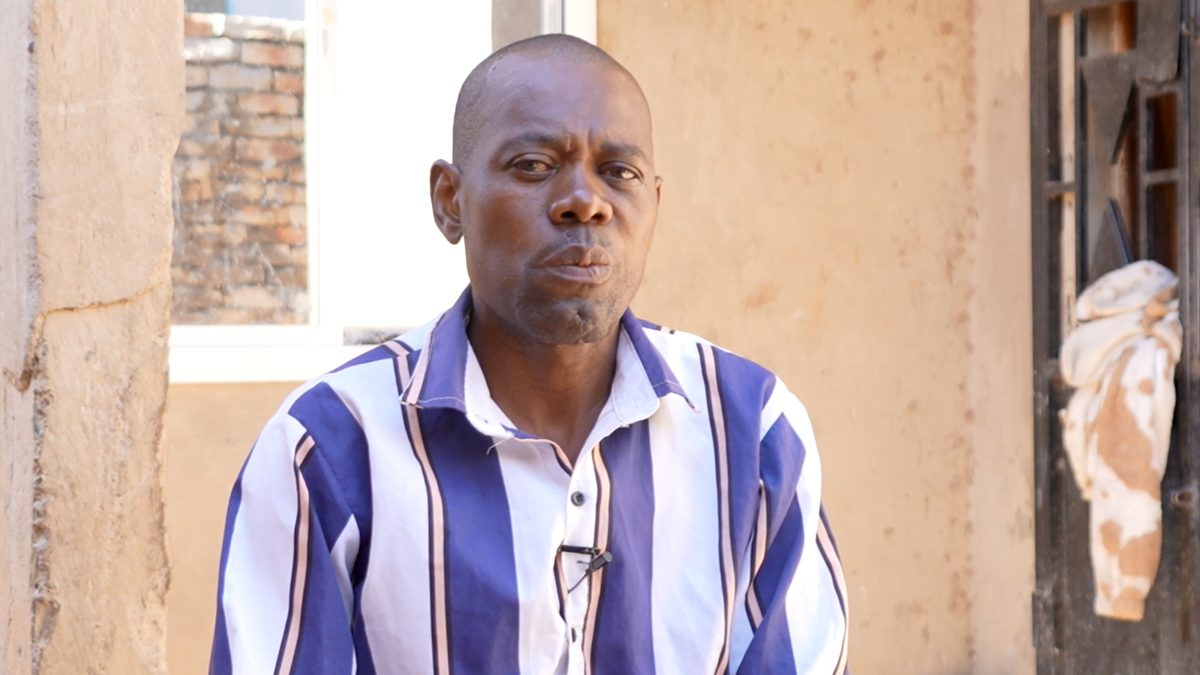
Genital theft' accusations: How social media fuelled rumours that turned deadly
Images from Openverse under Creative Commons licenses.
Voices
Curated perspectives — historical figures and your fellow readers.
Play
Exploring all sides of a story is often best achieved with Play.
Most of these play right now — no account needed. Sign up to save scores, keep a streak, and unlock Debate and Predict.
Log in
Sign Up
Higher or Lower
A number from this story, against one from elsewhere in the news — guess which is bigger, then keep the chain going. 5 rounds, 3 strikes; a miss costs a strike and resets your streak.
Example
Anchor
EU tariff revenue
$52B
Big for this kind of number
Mystery
Pentagon AI contract
?
Round 1
Streak: 0
Mystery
?
Keyboard: ↓/L lower · ↑/H higher
0 pts
Best streak: 0 · Rounds: 0
0 points — sign up to put that on the leaderboard.
Now try on this story
Timeline
Deadly 'genital theft' rumors spread across Africa via social media
Order five events from this story, oldest at top. Each in the right slot scores 1 — neighbours within one slot count too. Your previous result — green ✓ for exact slots, yellow ~ for off by one. Cards now in true chronological order.
Loading puzzle…
Tap 💡 Free hint to lock the oldest into slot 1 — that leaves just four to order. Type pills are clues.
0/5
Exact slot
0/5
Within 1
Sign up to save your score and track a streak across stories.
Now try on this story
Connections
Sixteen names from the news. Find the four hidden groups of four. Four mistakes max.
Loading today's puzzle…
0/4 groups
Mistakes
Sign up to keep a daily streak — a new puzzle lands every day.
Now try on this story
Exit debate?
Your progress in this debate will be lost.
How it works
- 1 Two AI personas square off on this story.
- 2 You predict who'll win each round — correct picks earn XP.
- 3 One crossfire question is yours to fire. Pick it carefully.
Couldn't generate a topic
Select Your Champions
Choose one persona for each side of the debate
DEBATE TOPIC
Choose personas with different perspectives for a more dynamic debate.
SIDE A (PRO)
Select debater for this side:
No debate personas available right now.
SIDE B (CON)
Select debater for this side:
No debate personas available right now.
VS
Get ready to make your prediction...
Round of
Claim
Evidence
Stakes
Crossfire Answer
Closing Statement
Claim
Evidence
Stakes
Crossfire Answer
Closing Statement
Your Crossfire Question
Generating arguments...
Who's Got This Round?
Make your prediction before the referee scores
The referee scores both sides on
Correct predictions earn +20 XP
· Press 1 or 2 to pick
Evidence
40%
Logic
30%
Detail
20%
Style
10%
Round Results
Your Pick
Not this time
(%)
Overall Score
/10
Your Pick
Not this time
(%)
Overall Score
/10
Set the Crossfire
Pick the question both personas must answer in the final round
Crafting crossfire questions...
Choosing a question earns +10 XP crossfire bonus
🏆
Total XP Earned
Cred Change
Predictions
Debate Oracle! You called every round!
Sharp Instincts! You know your debaters!
The Coin Flip Strategist! Perfectly balanced!
The Contrarian! Bold predictions!
Inverse Genius! Try betting the opposite next time!
XP Breakdown
Base completion
+20 XP
Rounds played ( rounds x 5 XP)
+ XP
Correct predictions ( correct x 20 XP)
+ XP
Crossfire bonus
+10 XP
Accuracy
%
Prediction History
Round
You picked:
✓
✗
Now try on this story
Keep debating to level up your credibility and unlock achievements
People Involved
Daniel Chapo
President of Mozambique
In office; publicly condemned the rumors
Mohamed Noor
County Commissioner, Mombasa, Kenya
Oversaw police response to July 2026 attacks
BM
Boniface Mgala
Tanzanian mechanic and attack survivor
Survived April 2026 mob beating
EM
Elias Daniel Mwandobo
District Commissioner, Momba, Tanzania
Oversaw local investigation of incidents
Organizations Involved
GD
BBC Global Disinformation Unit
News investigative unit
Published September 2026 investigation of the violence
The BBC's unit investigates disinformation and tracks its real-world consequences across the globe.
Africa Infodemic Response Alliance
Health misinformation monitoring alliance
Tracked the rumors as a health misinformation threat
WHO-backed alliance that monitors dangerous health misinformation across Africa.
Timeline
September 2025 September 2026
7 events
Latest: 3 days ago
Tap a bar to jump to that date
-
BBC investigation documents 80+ deaths across six countries
Latest InvestigationBBC Global Disinformation Unit publishes data from police forces in six African nations, confirming the regional scope of the violence.
-
Five killed in Kenya's coastal counties
ViolenceMobs in Kwale and Mombasa counties killed five people; officials blamed content creators spreading claims for engagement.
-
Mozambique police report 55 killings in six weeks
EscalationVictims included a police officer, health workers, and civil servants; health facilities in affected areas closed for weeks.
-
Tanzanian mechanic beaten by mob
ViolenceMob badly beat Boniface Mgala over a false accusation; video of the attack drew more than 100,000 views on TikTok and Facebook.
-
First death in Zambia
ViolenceA woman was lynched in Zambia as disappearing-genital hearsay gained traction, then spread across the border into Tanzania.
-
DRC health workers find villages consumed by panic
EscalationHealth workers in Isangi found communities that had spent weeks hearing outsiders spread a disease that shrinks genitalia.
-
Rumors begin in DRC's Tshopo province
OriginGenital theft rumors spread through churches and social media in northeastern Democratic Republic of Congo, weeks before health workers arrived.
Historical Context
3 moments from history that rhyme with this story — and how they unfolded.
1994–1998
Ghana 'Penis Snatching' Panics (1990s)
In Ghana during the 1990s, rumors spread that strangers could shrink or 'snatch' penises with a handshake or touch. Several accused people were beaten to death by mobs, and panic swept markets and public transit across the country.
Then
Police made arrests and officials publicly denied the phenomenon, but sporadic attacks continued for years.
Now
The panics became a documented pattern studied by anthropologists as mass psychogenic illness tied to social anxiety and instability.
Why this matters now
The same fear, the same mob response. Ghana in the 1990s shows the belief is recurring—the difference now is social media's speed and reach.
April 2008
Kinshasa Panic (2008)
In the Democratic Republic of Congo's capital, rumors of genital theft caused panic. Police detained more than a dozen suspected 'sorcerers' after attempted lynchings swept the city.
Then
Police restored order in the capital and arrests calmed the immediate panic.
Now
The 2008 Kinshasa episode became a reference point—and the current wave in DRC's Tshopo province is the same claim resurfacing.
Why this matters now
Shows the 2025–2026 wave is not new; it returned in the same country. The difference is the scale of deaths across eight countries.
Ongoing documentation
Koro Syndrome Epidemics (20th–21st century)
Koro—also called genital retraction syndrome—is a mental illness documented in epidemics across Southeast Asia (Singapore, Thailand, India) and later Africa. Sufferers believe their genitals are shrinking or withdrawing into the body, and panic can spread through communities.
Then
Mozambique's government cited Koro syndrome as one explanation for the fears behind the 2026 violence.
Now
Doctors recognize the condition as a culture-bound syndrome rather than a physical illness, which is why health officials say no genital loss has medical evidence.
Why this matters now
The psychiatric explanation underpins why officials treat the rumor as a public health issue, not just a policing problem.
Sources
(5)Related Stories
African governments expand social media shutdowns during unrest
Rule Changes
Updated May 29
Government identity systems under ransomware siege
Force in Play
Updated May 27
America's historic crime drop
Force in Play
Updated May 19
Gauteng’s tavern killings: Bekkersdal massacre deepens a December pattern of public-space slaughter
Force in Play
Updated May 15
Trump freezes aid, threatens South Africa over land law
Force in Play
Updated May 19
Southern Africa's La Niña floods kill 200+ across three nations
Force in Play
Updated May 22