
Pull to refresh
Logo
IRS opens criminal probes into left-wing groups under Trump directive

IRS opens criminal probes into left-wing groups under Trump directive

Rule Changes

An internal memo shows tax investigators working alongside the FBI on a task force created after Charlie Kirk's killing

Overview

Updated 15 minutes ago

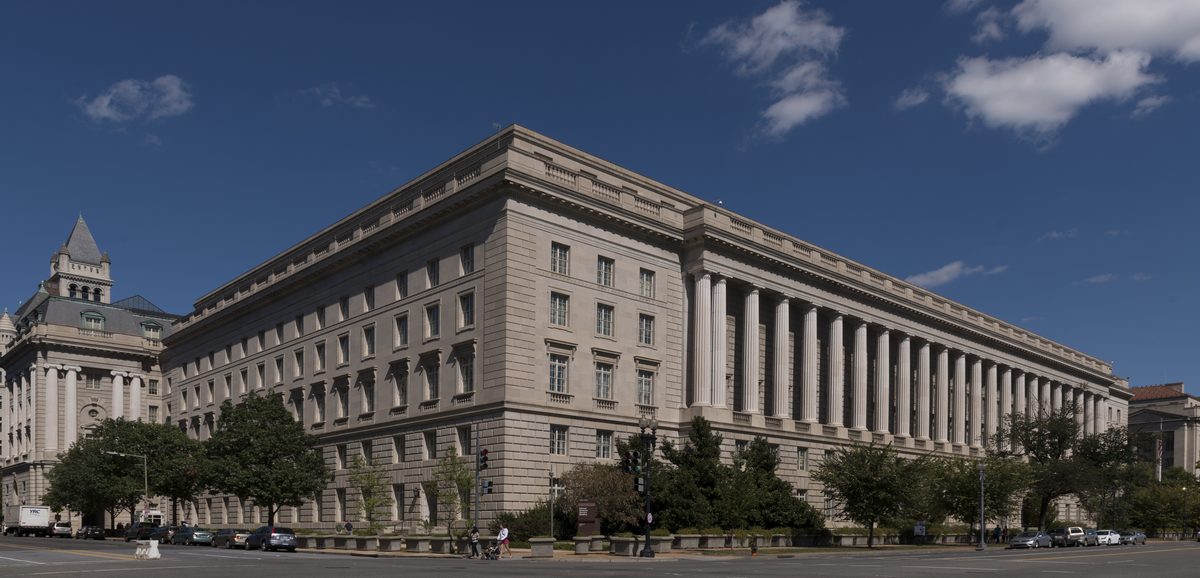
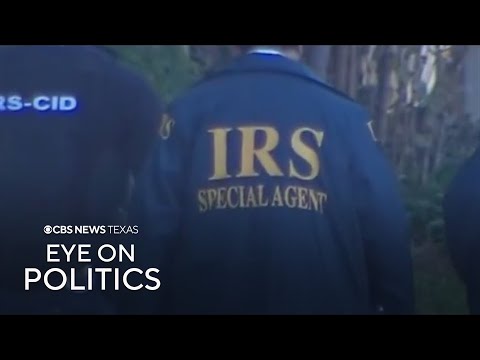
Internal Revenue Service criminal investigators have opened at least four probes into left-wing organizations, according to an internal memo obtained by The New York Times. The memo describes a dozen IRS staff detailed to an interagency task force created after the September 2025 killing of conservative activist Charlie Kirk.

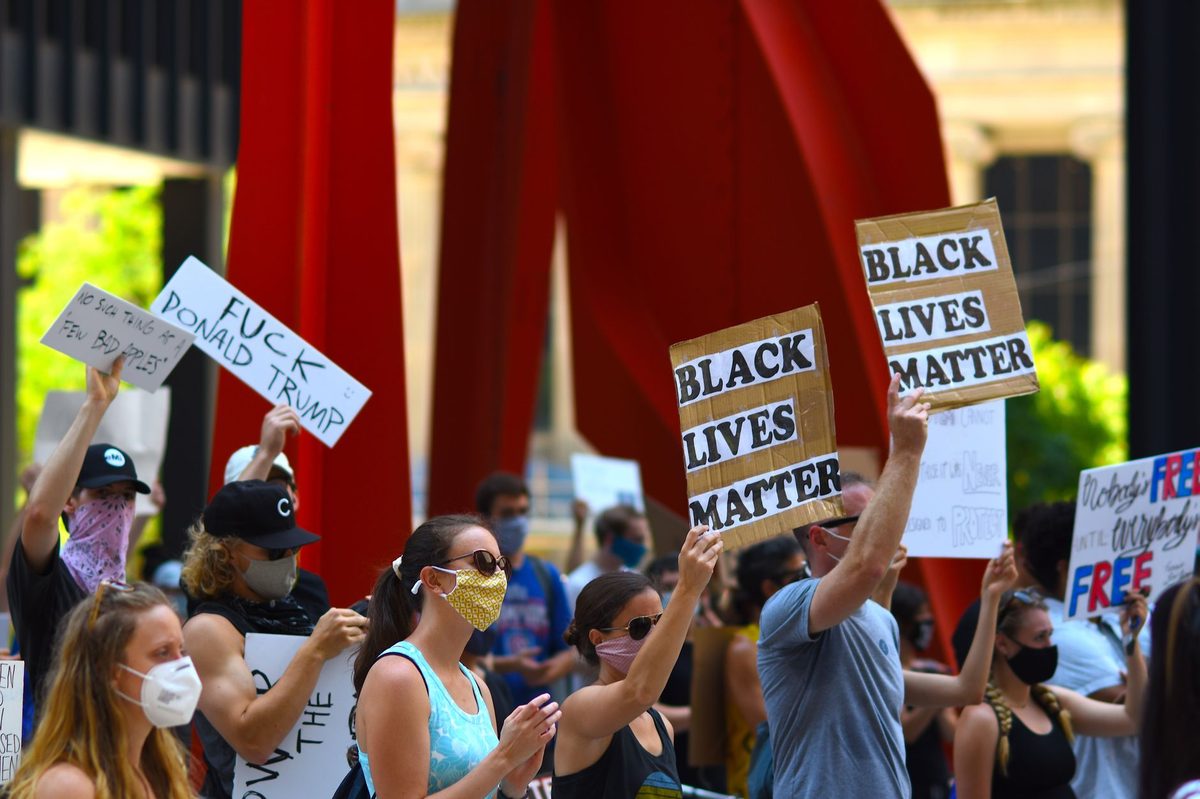
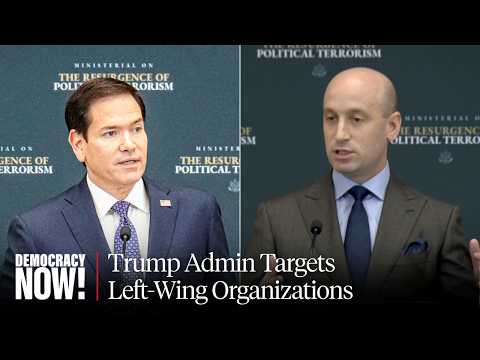
That task force works from a presidential memorandum, NSPM-7, which lists 'anti-Americanism,' 'anti-capitalism' and 'extremism on migration, race and gender' as indicators of political violence. Investigators have also reviewed the payment records of people arrested at protests outside an immigration jail in Newark, New Jersey, and used facial recognition and tattoo-matching databases to identify them.

Why it matters

No federal crime of domestic terrorism exists, so the task force reaches political groups through tax law instead.

Questions about this story

Free account needed to ask — your question is kept and asked for you right after sign-up. Answers are public.

No questions yet — be the first to ask.

Key Indicators

4
Criminal probes opened by the IRS
At least four, according to an internal memo viewed by The New York Times.
12
IRS officials assigned to the task force
Criminal Investigation staff began working with the task force at FBI headquarters in March 2026.
0
Standalone federal domestic terrorism charges
Prosecutors must use other statutes, such as tax or fraud counts, and seek terrorism enhancements at sentencing.

Voices

Curated perspectives — historical figures and your fellow readers.

Sign up to generate historical perspectives on this story.

People Involved

Organizations Involved

Timeline

September 2025 November 2026

6 events Latest: Today
Tap a bar to jump to that date
  1. Memo account republished widely

    Today Publication

    The Real News Network publishes its account of the memo, including the Newark protest details.

  2. Memo shows four criminal probes

    Disclosure

    The New York Times reports an internal IRS memo describing at least four probes and audit referrals.

  3. Charlie Kirk is killed

    Catalyst

    The conservative activist's death prompts the White House to promise a federal response against political violence.

  4. Trump signs NSPM-7

    Directive

    The memorandum lists political beliefs as indicators of 'domestic terrorism' and orders agencies to review nonprofit funding.

Scenarios

1

A federal judge blocks the task force's tax referrals

Possible Resolves by Q2 2027

Discussed by: The American Civil Liberties Union and FIRE have both argued the directive punishes protected speech, the theory a lawsuit would test.

A nonprofit that received an audit referral sues, arguing the IRS is selecting groups by political viewpoint. A judge in a district court with jurisdiction over Washington or the group's home state issues a preliminary injunction pausing audits and criminal referrals tied to NSPM-7. The administration appeals. The injunction would not end the probes, but it would freeze the mechanism that made them possible while litigation continues.

2

Prosecutors bring the first case from the task force

Possible Resolves by Q2 2027

Discussed by: CBS News has reported that the effort is aimed at nonprofit groups, while noting there is no domestic terrorism charge to file.

The IRS memo's four criminal probes are the pipeline. If any produces evidence of tax fraud, false statements or another existing offense, the Justice Department brings an indictment and may seek a terrorism enhancement at sentencing. Such a case would establish that the task force produces prosecutions rather than only audits and subpoenas, and would likely draw immediate legal challenges over the directive's role in opening the investigation.

3

The probes close without charges

Unlikely Resolves by End of 2027

Discussed by: No named analyst has predicted this; it is the default outcome when a task force investigation does not yield a prosecutable offense.

The four known probes run their course without producing charges, and the audit referrals are resolved administratively or dropped. The task force continues or winds down quietly, and the memo's request for broader authority goes unmet. This is how the 2010-2013 IRS screening of Tea Party applications ended: an inspector general found the practice, and the Justice Department closed its criminal investigation in 2015 without charges.

Historical Context

3 moments from history that rhyme with this story — and how they unfolded.

1956-1971

COINTELPRO (1956-1971)

The FBI ran a covert counterintelligence program against domestic political groups, including civil rights, Black nationalist and antiwar organizations. Agents used informants, surveillance and forged letters to disrupt the groups. In March 1971, activists broke into an FBI office in Media, Pennsylvania, and took files that exposed the program.

Then

J. Edgar Hoover formally ended the program in 1971, and the stolen files were published by newspapers.

Now

The Senate's Church Committee investigated in 1975 and 1976, leading to new limits on FBI domestic intelligence and to the creation of the Foreign Intelligence Surveillance Court.

Why this matters now

It is the clearest precedent for federal investigators using national security tools against domestic political groups, and for how such programs end: through disclosure, litigation and congressional inquiry.

2010-2013

IRS screening of Tea Party applications (2010-2013)

IRS employees in the Exempt Organizations unit used terms such as 'Tea Party' and 'patriot' to flag applications for tax-exempt status, holding some for lengthy reviews. A Treasury Inspector General for Tax Administration report in May 2013 documented the practice.

Then

The IRS apologized, senior officials left, and congressional hearings followed.

Now

The Justice Department closed its criminal investigation in 2015 without bringing charges, and the episode became a durable political talking point about IRS impartiality.

Why this matters now

It is the last time IRS targeting of political groups dominated Washington, and a reminder that findings of improper screening have not, so far, produced prosecutions.

May 2020

Antifa designation announcement (2020)

During protests after the killing of George Floyd, President Trump announced that the United States would designate antifa as a terrorist organization. Federal law contains no list of domestic terrorist organizations and no standalone domestic terrorism crime, so the announcement had no legal mechanism behind it.

Then

The designation was not formalized, and prosecutors continued to charge defendants with existing offenses.

Now

The gap between a presidential label and an enforceable statute persisted, leaving agencies to work through other laws.

Why this matters now

NSPM-7 runs into the same gap: a presidential label with no criminal statute behind it, which is why the task force's leverage runs through tax law.

Sources

(7)