
Pull to refresh
Logo
Saudi Arabia triples crude oil storage in Japan to 24 million barrels

Saudi Arabia triples crude oil storage in Japan to 24 million barrels

Built World

Japan rents tank space to oil producers in exchange for first claim on the crude if supplies are cut off.

Overview

Updated 1 hour ago

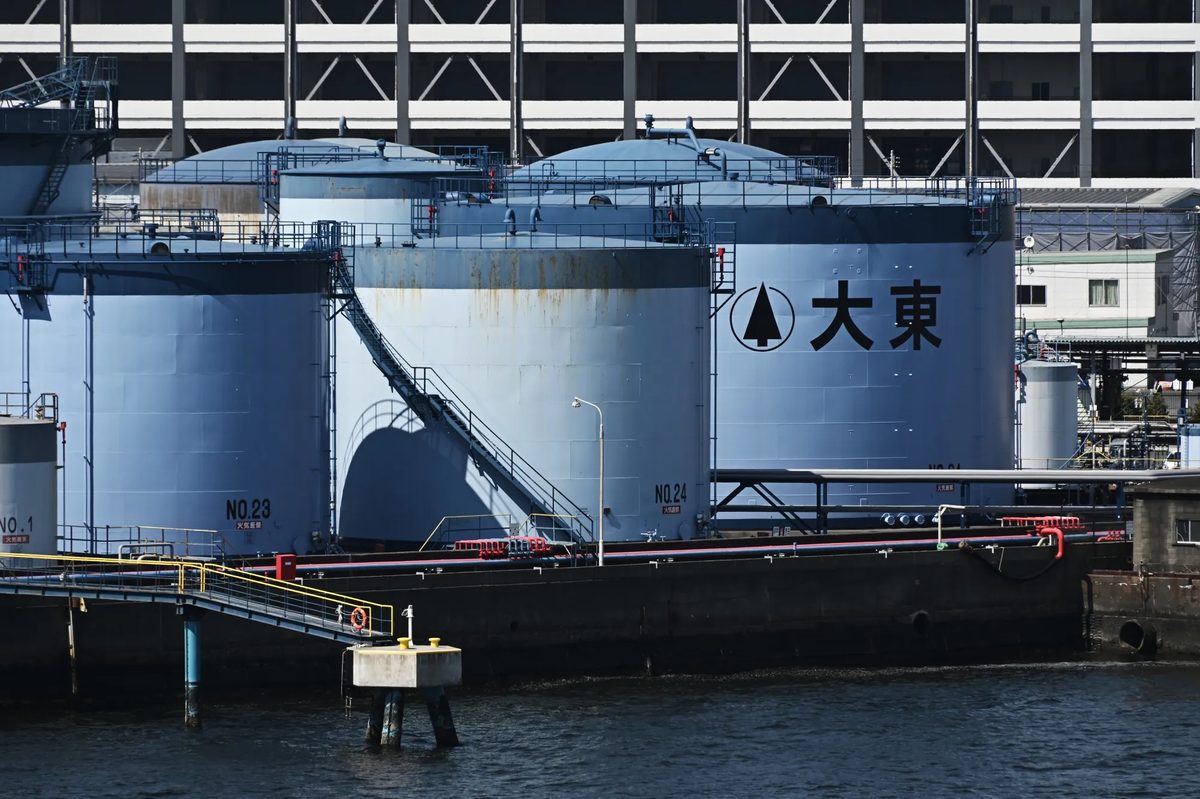
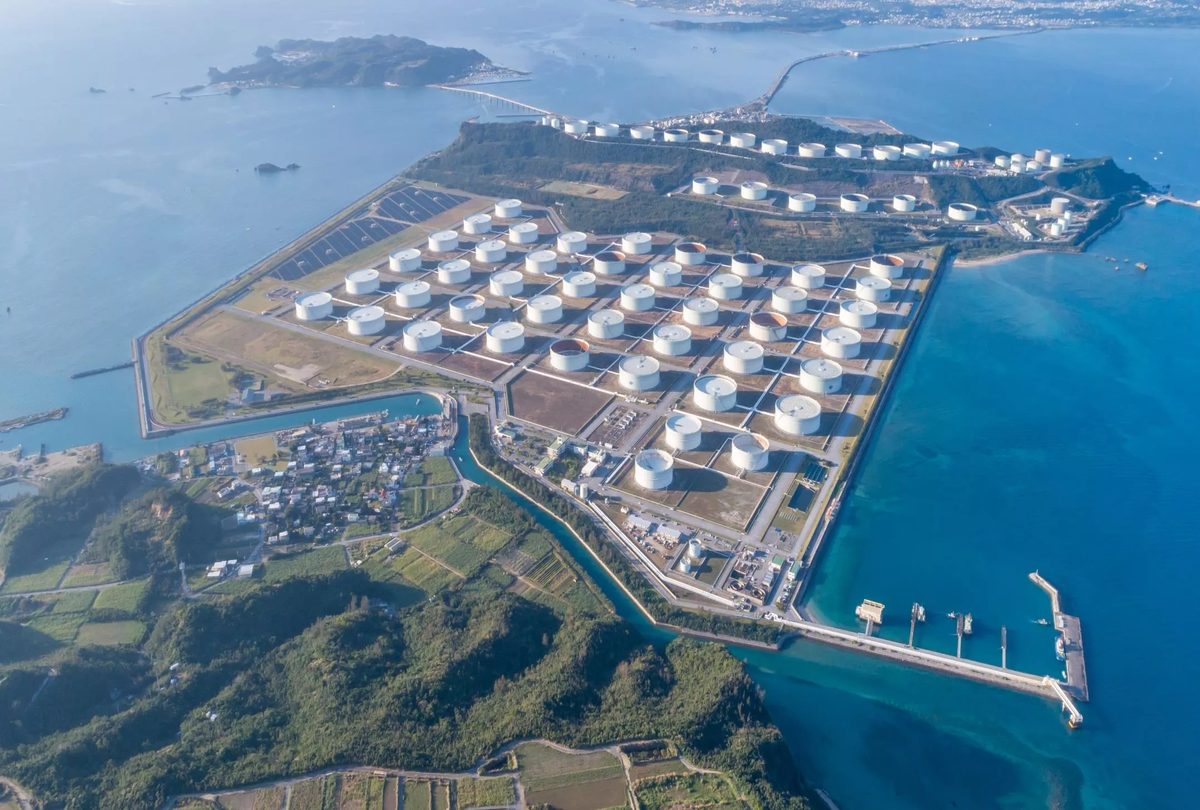
For sixteen years, Japan has parked Saudi crude in its own tanks. Under the joint stockpiling arrangement, Saudi Aramco leases space at the Okinawa national depot and uses it as a supply base for Asia. Japan gets nothing out of the tanks on a normal day. In an emergency, Japanese refiners get first refusal on what sits inside.

On Friday, Japan's trade ministry and Saudi Arabia's energy ministry said they would triple that space. The lease grows from 8 million barrels to 24 million, and Tokyo will buy up to 8 million barrels of Saudi crude for its own national reserve. Japan is refilling the reserves it drained after the Strait of Hormuz effectively closed.

Why it matters

Japan's oil lifeline runs through Hormuz. Leasing tank space to Saudi Arabia buys priority access to crude if the strait closes again.

Questions about this story

Free account needed to ask — your question is kept and asked for you right after sign-up. Answers are public.

No questions yet — be the first to ask.

Key Indicators

24M barrels
Total tank capacity leased to Saudi Arabia
Up from 8 million barrels, after Japan adds 16 million barrels of state and company tank space.
16M barrels
New capacity Japan is lending Saudi Arabia
Leased for a fixed period, using tanks emptied by Japan's reserve releases.
8M barrels
Saudi crude Japan will buy for its national reserve
Subject to market conditions and internal approvals; JOGMEC will run the tender.
6 days
Consumption covered by all joint stockpiles
About 11 million barrels held for Saudi Arabia, the UAE and Kuwait as of Sept. 30, 2026.
40.1%
Saudi share of Japan's crude imports
Fiscal 2024 figure; the UAE supplied 43.6% and Kuwait 6.4%.

Voices

Curated perspectives — historical figures and your fellow readers.

Sign up to generate historical perspectives on this story.

People Involved

Organizations Involved

Timeline

2009 November 2026

9 events Latest: Today
Tap a bar to jump to that date
  1. Trade ministry confirms Saudi storage triples to 24 million barrels

    Today Announcement

    METI says the cap rises to 24 million barrels and that released Saudi crude is being replenished.

  2. Joint statement: 16 million more barrels, 8 million to buy

    Announcement

    Japan lends 16 million barrels of tank capacity for a fixed period and plans to buy up to 8 million barrels for its reserve.

  3. Akazawa and Prince Abdulaziz agree on expansion

    Negotiation

    In a video call, the ministers settle the terms; details are worked out over the next ten days.

  4. Asia-wide stockpiling plan adopted at AZEC meeting

    Policy

    Ministers back a work programme on oil stockpiling that Japan folds into its POWERR Asia initiative.

  5. Tokyo and Riyadh form a joint energy task force

    Diplomacy

    The two governments agree to work together on oil stockpiling and supply chains.

  6. Japan begins drawing down reserves

    Energy Security

    Releases from national and private stockpiles start after the Strait of Hormuz is effectively shut.

  7. Kuwait joins the scheme

    Program Start

    Kuwait Petroleum Corporation leases roughly 3.1 million barrels of capacity at Kiire.

  8. Aramco starts stockpiling Saudi crude at Okinawa

    Program Start

    Saudi Arabia joins the joint stockpiling project with about 8 million barrels of leased capacity.

  9. UAE becomes first producer to lease Japanese tanks

    Program Start

    ADNOC takes capacity at the Kiire terminal in Kagoshima, setting the template for the scheme.

Scenarios

1

Saudi Arabia fills the extra 16 million barrels

Likely Resolves by Q2 2027

Discussed by: METI and the Saudi Ministry of Energy, in their joint statement

The lease is only worth something if crude actually sits in the tanks. Aramco has already started refilling them, and the emptier ones come from Japan's own reserve releases. If Saudi Arabia moves commercial volumes into the new space over the next several months, the 24-million-barrel figure stops being a ceiling and becomes a working reserve.

2

Japan completes its 8-million-barrel reserve purchase

Likely Resolves by Q1 2027

Discussed by: METI and JOGMEC, which must run the tender

The purchase is conditional on market conditions and internal approvals, so it can shrink or slip. JOGMEC has to tender for the barrels and fit them into national reserve sites. A completed tender of the full volume would mark the first clear sign that Japan's depleted reserves are back on plan.

3

Japan invokes first-purchase rights in a supply emergency

Unlikely Resolves by Q1 2028

Discussed by: METI, which describes the emergency clause as the core of the scheme

The preferential right has existed since 2010 and gets used rarely, if at all. A renewed closure of Hormuz, or a sustained disruption to Japanese deliveries, would force refiners to draw on the leased tanks instead of buying on the open market. That would be the first real test of whether the arrangement works under pressure.

4

The UAE and Kuwait get the same treatment

Possible Resolves by End of 2027

Discussed by: Energy analysts watching whether the Saudi deal becomes a regional template

The UAE and Kuwait lease smaller volumes under the same rules, and Japan's POWERR Asia plan is meant to extend stockpiling across the region. Tokyo could offer both producers expanded capacity on similar terms, which would lift the joint stockpile well above its current six days of consumption. No such talks have been announced.

Historical Context

3 moments from history that rhyme with this story — and how they unfolded.

2010

Saudi Aramco joins Japan's tank-leasing scheme (2010)

Japan had tanks and no oil; Gulf producers had oil and wanted storage near Asian buyers. The joint stockpiling project let Aramco lease space at the Okinawa CTS terminal, about 8 million barrels, and treat it as a supply hub for the region.

Then

Aramco gained a forward storage position in Asia without building one.

Now

Japan gained a contractual right to buy that crude first in an emergency, at no cost in normal years.

Why this matters now

The 2026 expansion is the same trade at three times the size, built on a contract that has run for sixteen years.

2009-2020

The UAE and Kuwait copy the model (2009-2020)

ADNOC signed on at Kiire in 2009, Kuwait's KPC followed in 2020. By the end of September 2026 the three producers held about 11 million barrels in Japan, equal to six days of Japanese consumption.

Then

Japan spread its emergency access across three suppliers instead of one.

Now

Saudi Arabia remained the largest holder, which is why its lease is the one that mattered when reserves ran down.

Why this matters now

Six days of cover is thin for a country importing nearly all its oil, and it explains why Tokyo pushed for more capacity rather than a new scheme.

March-November 2026

Hormuz closes and Japan drains its reserves (2026)

U.S.-Israeli strikes on Iran led to the effective closure of the Strait of Hormuz, the route for most of Japan's crude. Tokyo released oil from its national and private stockpiles starting in March, emptying tanks that had been full.

Then

Japan kept supply flowing but burned through reserves it now has to rebuild.

Now

The emptied tanks became the asset Japan could lend to Saudi Arabia in exchange for preferential access.

Why this matters now

The expansion exists because of the drawdown: the same releases that depleted Japan's reserves created the spare capacity it is now leasing out.

Sources

(8)