
Pull to refresh
Logo
UK recognises Rohingya genocide and sanctions Myanmar military leaders

UK recognises Rohingya genocide and sanctions Myanmar military leaders

Force in Play

After the ICJ's first genocide finding against a state, London froze assets, banned travel and moved to cut aviation fuel sales to the military.

Overview

Updated 6 minutes ago

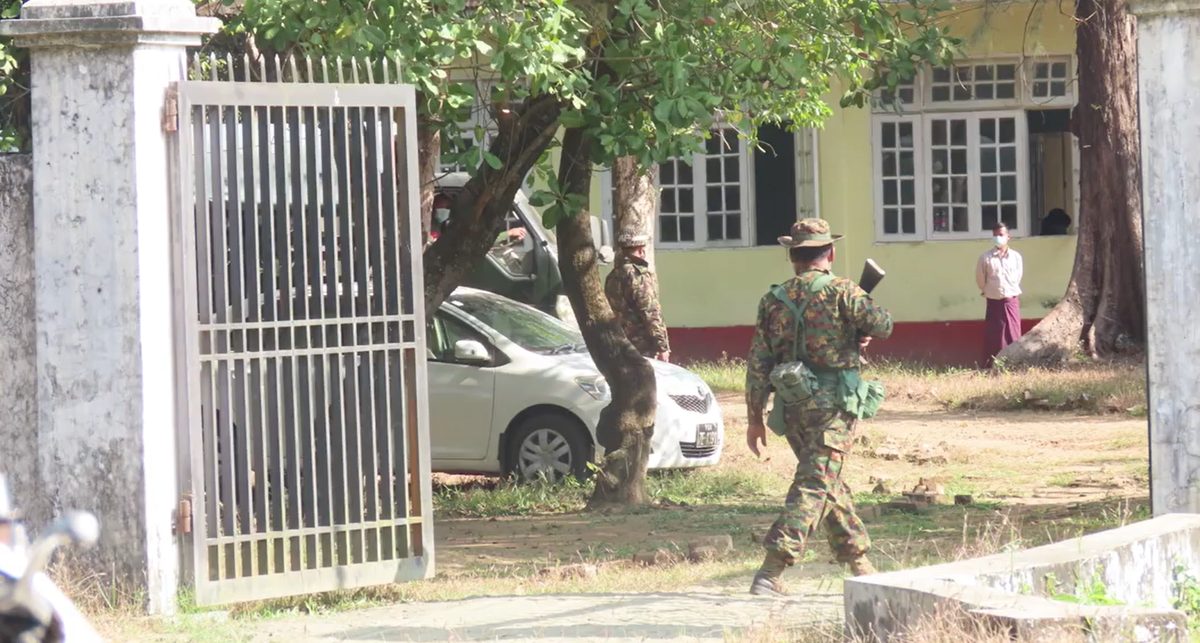
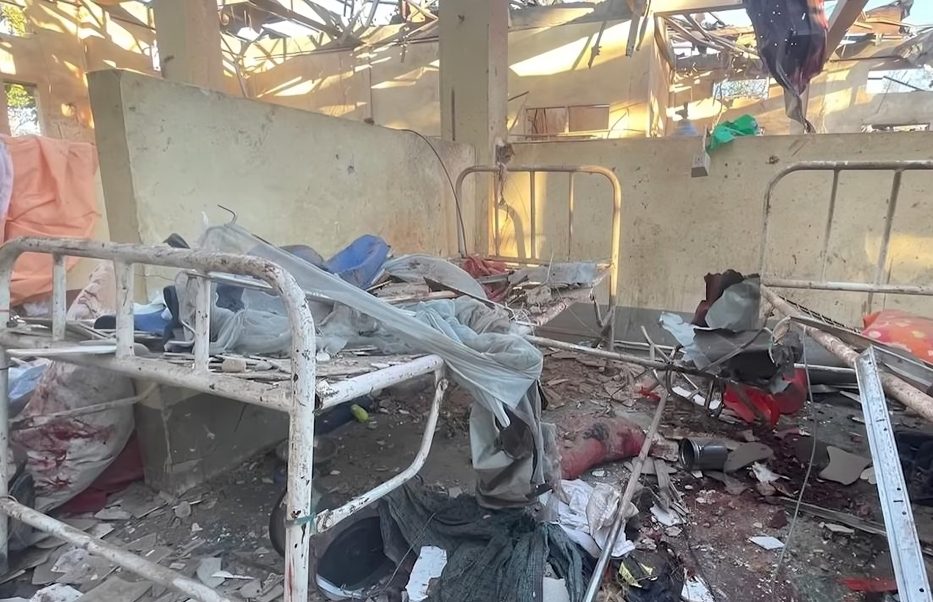
In August 2017, Myanmar's military burned Rohingya villages in northern Rakhine State and drove more than 700,000 people into Bangladesh. On 19 November 2026, the International Court of Justice ruled that campaign was genocide. Four days later, the British government formally said so and attached penalties to the word.

The UK had ordered Myanmar's defence attaché out four days earlier. On 23 November it sanctioned five senior officers, pledged to legislate against aviation fuel sales to the military, and added £8 million for aid and justice work. The measures are modest next to the finding: the judgment binds Myanmar, but no police force enforces it.

Why it matters

The ICJ has named a state as genocidal for the first time. What follows tests whether the label carries consequences or only vocabulary.

Questions about this story

Free account needed to ask — your question is kept and asked for you right after sign-up. Answers are public.

No questions yet — be the first to ask.

Key Indicators

5
Senior officers sanctioned
Four major-generals and a brigadier-general, the foreign secretary told the Commons.
£8m
New UK funding announced
£5m for humanitarian relief in Rakhine, £3m for accountability and survivor support.
350,000
People the new humanitarian funding targets
Rohingya and Rakhine communities in Rakhine State, where need is most acute.
700,000+
Rohingya who fled to Bangladesh after 2017
The displacement that produced the genocide case.
1.2 million
Refugees from Myanmar hosted in Bangladesh
Figure cited by the UK government in the Commons debate.

Voices

Curated perspectives — historical figures and your fellow readers.

Sign up to generate historical perspectives on this story.

People Involved

Organizations Involved

Timeline

August 2017 November 2026

10 events Latest: Yesterday
Tap a bar to jump to that date
  1. UK recognises the genocide and sanctions five officers

    Latest Sanctions

    Asset freezes, travel bans and director disqualifications for four major-generals and a brigadier-general.

  2. UK pledges aviation fuel legislation and £8m

    Policy

    Planned law would bar exporting or supplying aviation fuel to Myanmar, alongside aid and justice funding.

  3. Joint statement demands Myanmar comply with the judgment

    Diplomatic

    The UK, Canada and other partners call the ruling binding and demand full compliance.

  4. UK expels Myanmar's defence attaché

    Diplomatic

    Britain orders the serving military representative out and calls for an urgent Security Council session.

  5. Myanmar's military government rejects the ruling

    Statement

    The military-backed administration refuses to accept the ICJ's finding.

  6. More than 700,000 Rohingya flee to Bangladesh

    Displacement

    Refugee camps grow around Cox's Bazar as Rohingya cross the border.

  7. Myanmar military launches clearance operations

    Conflict

    After attacks on police posts, the army begins mass killings, burning of villages and sexual violence in northern Rakhine State.

Scenarios

1

Myanmar defies the judgment and the Security Council stays deadlocked

Likely Resolves by Q2 2027

Discussed by: The Diplomat, which reported that the military-backed government has already rejected the ruling

The court's judgment binds Myanmar, but enforcement runs through the Security Council, where China and Russia have shielded the military before. If that division holds, the judgment produces declarations and national sanctions but no collective action. The UK's test of whether recognition means anything becomes the December council meeting it demanded.

2

UK aviation fuel ban becomes law

Likely Resolves by Nov 23, 2027

Discussed by: The Foreign Secretary, in his statement to the Commons

Britain said it will legislate in the coming months to stop the export and supply of aviation fuel used in airstrikes. The measure matters because the military's advantage is air power, and fuel supply chains for jets are narrow. Whether it bites depends on whether refiners and traders in other jurisdictions keep selling.

3

Sanctions widen from officers to military-linked companies

Possible Resolves by Q3 2027

Discussed by: The Foreign Secretary, who said major companies in Myanmar would be scrutinised

The UK said it will review all major companies in Myanmar, particularly those linked to the military, and take further action where justified. Corporate designations hit revenue rather than individuals, so they are the harder test of whether London is willing to absorb commercial costs. A single designation would show the review was not decorative.

4

The EU follows with its own Myanmar sanctions

Uncertain Resolves by Q2 2027

Discussed by: The Diplomat, which noted the EU's statement on the ruling did not set out a series of actions

Brussels issued a statement on the judgment but, unlike London, did not pair it with measures. The EU's 27 member states must agree designations unanimously, which slows action and usually waters it down. If the EU moves, the sanctions net around the military's fuel and revenue widens; if it does not, Britain is isolated among Western powers.

Historical Context

3 moments from history that rhyme with this story — and how they unfolded.

February 2007

Bosnia and Herzegovina v. Serbia and Montenegro (2007)

The ICJ ruled on the first genocide case between two states, arising from the 1995 Srebrenica massacre. It found Serbia had failed to prevent genocide and failed to hand over General Ratko Mladić, but that Serbia itself had not committed the crime.

Then

The judgment set the template for state-level genocide cases: responsibility found, but not necessarily for the crime itself.

Now

Serbia eventually arrested Mladić in 2011 and transferred him to The Hague, where he was convicted of genocide in 2017.

Why this matters now

It shows what an ICJ genocide ruling can extract from a state, and how much depends on political pressure rather than the court's word.

November 2019

The Gambia files against Myanmar (2019)

The Gambia, a small West African state acting with the backing of the Organisation of Islamic Cooperation, sued Myanmar at the ICJ under the Genocide Convention. Two months later the court issued provisional measures.

Then

Myanmar was ordered to prevent genocide, preserve evidence and report to the court at fixed intervals.

Now

Myanmar filed reports while the case moved slowly on the merits for seven years, leading to the November 2026 judgment.

Why this matters now

The 2026 ruling is the merits decision in that case, which is why a country with no direct connection to the Rohingya became the trigger for a global legal finding.

August-September 2017

Rohingya clearance operations (2017)

After attacks on police posts, Myanmar's army launched what it called clearance operations in northern Rakhine State. Soldiers and local militias killed civilians, burned villages and used sexual violence; more than 700,000 Rohingya crossed into Bangladesh within weeks.

Then

Myanmar described the operations as a counterterrorism response; a UN fact-finding mission later recommended prosecuting senior generals.

Now

Camps around Cox's Bazar became a permanent settlement, and Bangladesh now hosts more than 1.2 million refugees from Myanmar.

Why this matters now

The destruction the court ruled on is the event the sanctions, aid and accountability funding are meant to answer.

Sources

(9)