
Pull to refresh
Logo
NASA taps Impulse Space for two Moon Base cargo missions

NASA taps Impulse Space for two Moon Base cargo missions

New Capabilities

Impulse won two of six VADR task orders worth about $1.3 billion combined, launching on Falcon 9 and Terran R starting in 2028

Overview

Updated Yesterday

NASA will pay Impulse Space to move cargo most of the way to the Moon. On Nov. 7, 2026, the agency gave the Redondo Beach company two task orders under its Moon Base program, with flights scheduled to begin in 2028.

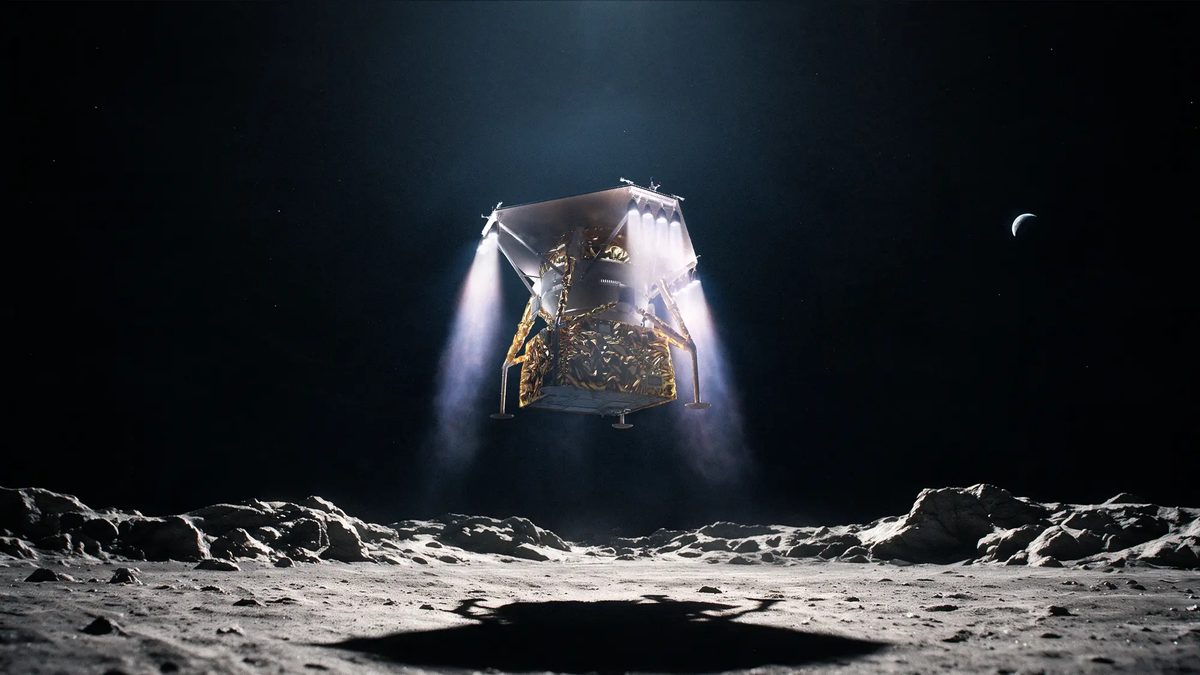
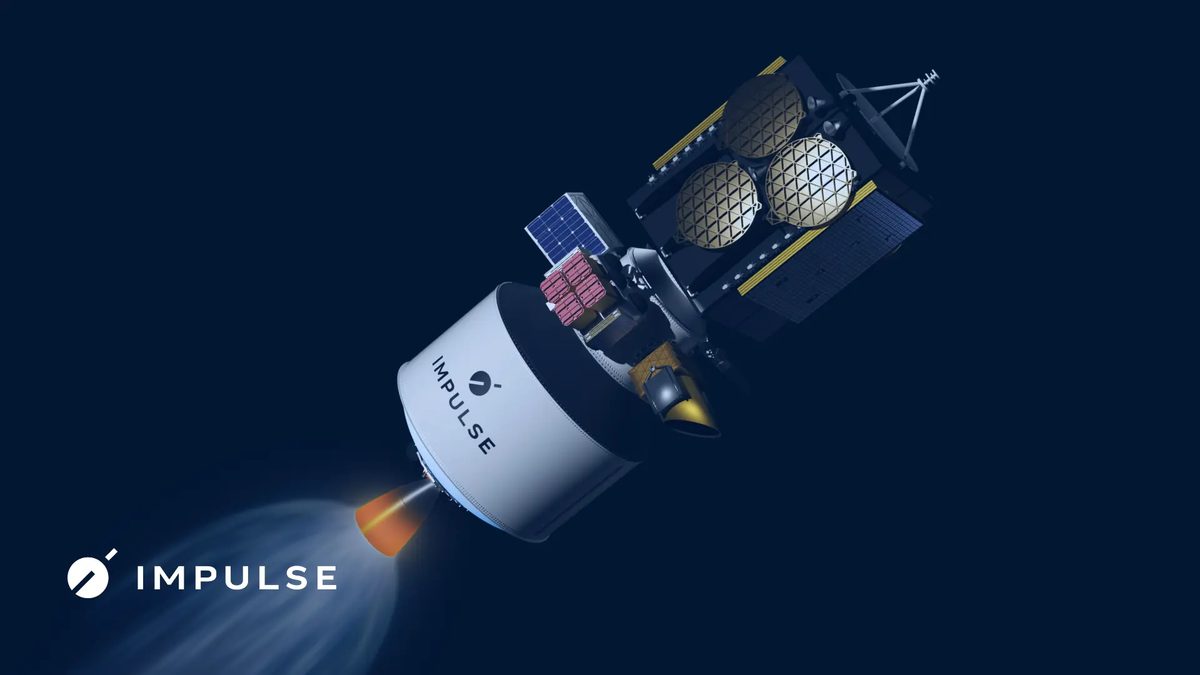
The awards matter because of what they let a rocket carry. Impulse says pairing its Helios kick stage with its own lander on a Falcon 9 can put one to two tons on the lunar surface, against roughly 100 to 200 kilograms for a standalone commercial lander on the same rocket.

Why it matters

If Helios works as advertised, the same rocket that lands 200 kilograms on the Moon could land a ton, lowering the cost of every kilogram NASA sends.

Questions about this story

Free account needed to ask — your question is kept and asked for you right after sign-up. Answers are public.

No questions yet — be the first to ask.

Key Indicators

$1.3B
Combined value of six VADR task orders
Awarded to Arrow Science and Technology, Blue Origin and Impulse Space for Moon Base cargo transport.
2
Task orders won by Impulse Space
One launch on SpaceX's Falcon 9, one on Relativity's Terran R.
$5B
Ceiling of the VADR contract
A 10-year indefinite-delivery contract covering all launch and transport awards.
8
Companies eligible under CLPS 2
NASA named the cargo lander pool alongside the transportation awards.
$500M
Impulse Space fundraising round
Raised in mid-2026 to fund lander and in-space propulsion development.

Voices

Curated perspectives — historical figures and your fellow readers.

Sign up to generate historical perspectives on this story.

People Involved

Organizations Involved

Timeline

2026 November 2026

5 events Latest: Yesterday
Tap a bar to jump to that date
  1. NASA awards six VADR task orders

    Latest Contract

    Arrow Science and Technology, Blue Origin and Impulse Space receive awards worth about $1.3 billion combined.

  2. Impulse wins two task orders

    Contract

    One mission flies on Falcon 9, the other on Terran R with Helios and a lander.

  3. NASA names eight CLPS 2 companies

    Contract

    The 10-year lander contract has a combined maximum value of $10 billion.

  4. Impulse Space raises $500 million

    Funding

    The company says Helios plus its lander could deliver one to two tons to the Moon.

  5. NASA launches the Moon Base program

    Program

    The agency consolidates its lunar exploration work into a single campaign, a phase it calls Ignition.

Scenarios

1

Impulse's Helios and lander fly a NASA mission on Terran R

Possible Resolves by Q2 2029

Discussed by: NASA and Impulse Space, which both scheduled missions to begin in 2028

Relativity's Terran R carries Helios and the lander to orbit, Helios boosts the stack toward cislunar space, and the lander deploys NASA payloads before descending to test cargo delivery. Success would give NASA a demonstrated path to heavier surface deliveries than standalone landers provide.

2

Terran R slips and pushes Impulse's lunar flight into 2029 or later

Uncertain Resolves by End of 2028

Discussed by: SpaceNews and trade coverage, which note the missions depend on vehicles still in development

The second task order rides entirely on Relativity's Terran R reaching operational status. Any delay to that rocket moves Impulse's Helios and lander demonstration with it, regardless of how Impulse's own hardware performs.

3

NASA exercises the Mira option for cislunar payload delivery

Possible Resolves by End of 2028

Discussed by: Impulse Space, which described the option in its award announcement

The first task order names Mira as an optional vehicle for delivering alternative payloads to cislunar space, supporting deployments and payload hosting. NASA could convert that option into a booked mission.

Historical Context

2 moments from history that rhyme with this story — and how they unfolded.

2006-2012

Commercial Orbital Transportation Services (2006)

NASA funded private companies to build cargo delivery to the International Space Station instead of designing its own vehicle. SpaceX and Orbital Sciences received the awards, and SpaceX's Dragon became the first commercial spacecraft to reach the station in 2012.

Then

NASA gained a second and third cargo supplier, ending sole reliance on government-built rockets.

Now

The fixed-price model became NASA's default way of buying services, and it is the template for both CLPS and VADR.

Why this matters now

The Moon Base awards use the same structure: NASA sets the destination, companies own the hardware and sell the delivery.

September 2014

Commercial Crew Program contracts (2014)

NASA awarded Boeing $4.2 billion and SpaceX $2.6 billion to fly astronauts to the space station. The fixed-price structure shifted cost overruns onto the companies rather than the agency.

Then

SpaceX flew crew in 2020; Boeing's Starliner ran years behind schedule and its 2024 crewed test returned without astronauts.

Now

NASA kept two providers flying, but the gap showed that schedule promises from a single unproven vehicle carry real risk.

Why this matters now

Impulse's second task order depends on Relativity's Terran R, an unproven rocket, the same way NASA's crew plans once depended on a single new capsule.

Sources

(6)