
Pull to refresh
Logo
COP31 ends without an agreement after fossil fuel dispute

COP31 ends without an agreement after fossil fuel dispute

Rule Changes

Two weeks of talks and two days of overtime in Antalya close with no cover decision; the unresolved questions move to COP32 in Ethiopia

Overview

Updated 17 minutes ago

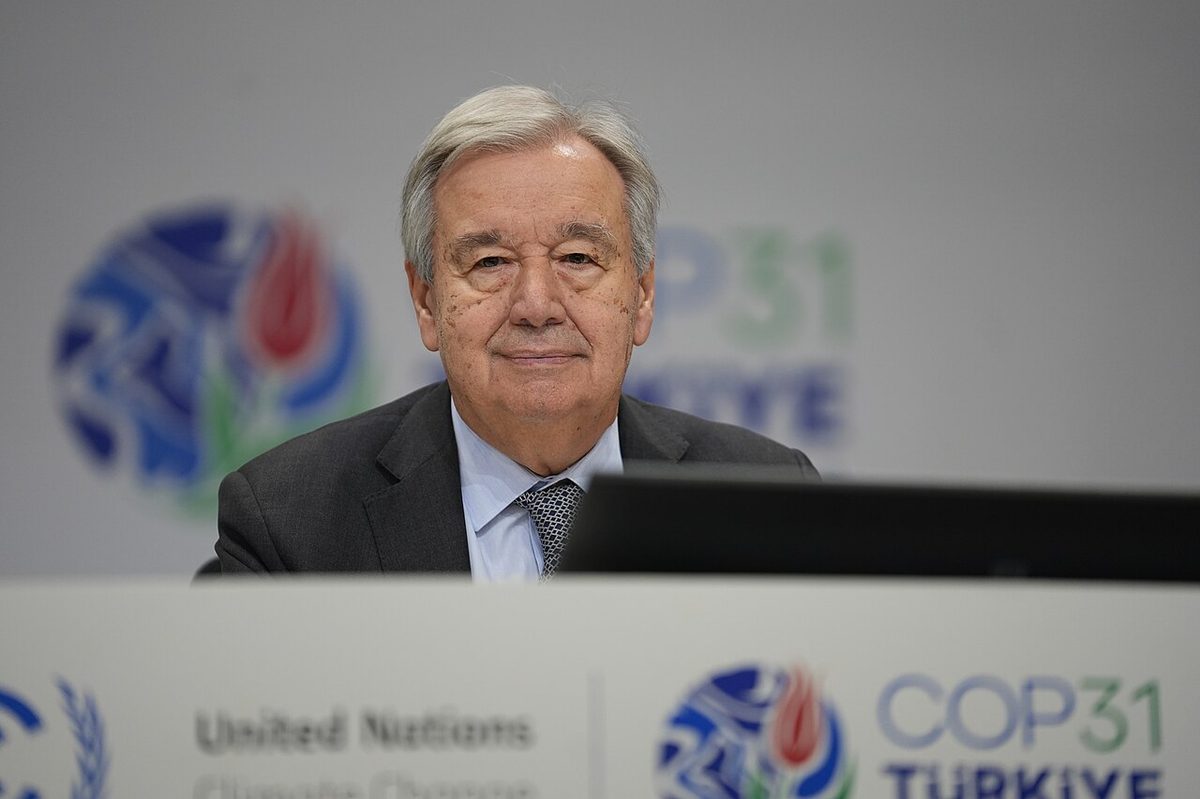
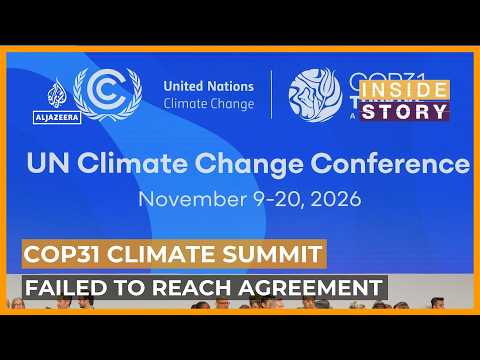
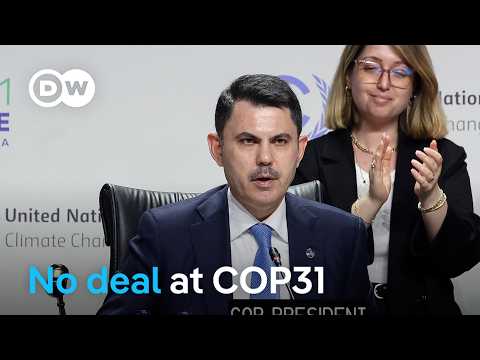
The COP31 climate summit in Antalya, Turkey ended Sunday without a final agreement. Negotiators spent two weeks, then two days of overtime, arguing over whether the closing text should name the fossil fuels that drive warming. It never did, and no cover decision was adopted.

That leaves the 2015 Paris Agreement and earlier summit decisions as the standing commitments. Adaptation finance also goes without the concrete figures poorer countries asked for. The open questions move to COP32 in Addis Ababa in 2027.

Why it matters

With no COP31 mandate, the fossil fuel transition and climate finance rest entirely on pledges made in 2015, 2023 and 2025.

Questions about this story

Free account needed to ask — your question is kept and asked for you right after sign-up. Answers are public.

No questions yet — be the first to ask.

Key Indicators

0
Overarching decisions adopted at COP31
The session closed without a cover decision after the final text was rejected.
1.5°C
Paris Agreement warming limit
The threshold countries agreed in 2015 to pursue; compromise drafts conceded the world is on course to overshoot it.
2.8°C
Projected warming by 2100 under current policies
UN estimate cited at the talks, down from scenarios of 4°C or more in the early 2010s.
35%
Targeted electricity share of global energy use by 2035
Türkiye's pledge drew backing from dozens of countries even as the main deal failed.
23%
Electricity's share of global energy use today
The baseline the 35% target is measured against.

Voices

Curated perspectives — historical figures and your fellow readers.

Sign up to generate historical perspectives on this story.

People Involved

Organizations Involved

Timeline

December 2015 November 2026

5 events Latest: Today
Tap a bar to jump to that date
  1. Fourth draft omits fossil fuel reference; EU rejects it

    Today Negotiation

    The final compromise text drops explicit fossil fuel language, drawing rejection from the EU and vulnerable nations.

  2. COP31 closes with no cover decision

    Today Summit outcome

    The presidency confirms no agreement; Guterres calls it a deeply disappointing setback.

  3. COP30 in Brazil agrees to triple adaptation finance

    Agreement

    Nations pledge to triple finance for adapting to climate impacts, without fixing a baseline.

  4. COP28 in Dubai agrees to transition away from fossil fuels

    Agreement

    Governments commit for the first time to transition away from fossil fuels.

  5. Paris Agreement sets the 1.5°C goal

    Treaty

    Nearly 200 countries agree to hold warming well below 2°C and pursue efforts toward 1.5°C.

Scenarios

1

COP32 adopts a cover decision that names fossil fuels

Uncertain Resolves by End of 2027

Discussed by: The European Union and the coalition of climate-vulnerable nations that rejected the COP31 text

Two years of preparation and a new presidency could produce a text that keeps the COP28 commitment explicit. The obstacle is unchanged: any single fossil-fuel-exporting delegation can block it under consensus rules. A deal would likely pair the fossil fuel reference with finance language to hold the coalition together.

2

COP32 sets concrete adaptation finance figures

Possible Resolves by End of 2027

Discussed by: Climate-vulnerable nations, who objected that the COP31 text had no numbers or baseline

The COP30 pledge to triple adaptation finance left the baseline undefined, and COP31 did nothing to fix that. A follow-up deal would need a stated dollar figure and a reference year, which richer countries have resisted. Watch whether the COP32 presidency puts finance on the agenda early rather than in the final 48 hours.

3

Consensus rule goes to a formal reform process

Unlikely Resolves by Nov 1, 2027

Discussed by: UN climate chief Simon Stiell, who said he would seek advice on potential reform

Stiell's concession that the process fell short opens a path to changing how decisions are made, though any change itself requires consensus. Options include majority voting on procedural matters or allowing like-minded coalitions to move ahead on specific commitments. Watch the COP32 agenda for a formal item on decision-making procedure.

Historical Context

3 moments from history that rhyme with this story — and how they unfolded.

December 2009

Copenhagen climate talks (2009)

Delegations arrived at COP15 expecting a binding successor to the Kyoto Protocol. A small group of heads of state drafted the Copenhagen Accord instead, and the full plenary declined to adopt it, choosing only to take note of the document.

Then

The summit ended without a binding treaty, and the process lost credibility with many observers.

Now

The accord's model of national pledges, offered from the bottom up, became the architecture of the 2015 Paris Agreement.

Why this matters now

Copenhagen is the last time before Antalya that a COP failed to adopt a deal. It shows a failed summit can redirect how the process works rather than end it.

December 2015

Paris Agreement (2015)

Nearly 200 countries agreed to hold warming well below 2°C above pre-industrial levels and to pursue efforts toward 1.5°C. Each country submitted its own plan to cut emissions rather than accepting an internationally imposed target.

Then

Countries filed national climate plans, and the 1.5°C figure became the benchmark for every summit since.

Now

The UN says the deal drove near-universal climate action, but current policies put warming around 2.8°C by 2100, and the world is likely to overshoot 1.5°C in the next few years.

Why this matters now

COP31's compromise drafts acknowledged the world would exceed the 1.5°C limit set here, which is why vulnerable nations refused to accept a weaker text.

November-December 2023

COP28 Dubai fossil fuel commitment (2023)

For the first time, governments agreed in a final decision to transition away from fossil fuels, covering coal, oil and gas explicitly rather than only emissions.

Then

The language was treated as the summit's central achievement, though it set no timetable.

Now

It became the baseline that later summits either build on or dilute, and it is the commitment Guterres said must now be accelerated and financed.

Why this matters now

The COP31 text omitted the fossil fuel reference that the Dubai decision established, which is precisely why the EU and vulnerable nations rejected it.

Sources

(10)