
Pull to refresh
Logo
UAE expands beach closures as Gulf oil spill spreads

UAE expands beach closures as Gulf oil spill spreads

Force in Play

Spill from a tanker attacked near the Strait of Hormuz closes beaches in three emirates and tests the coast's desalination water supply

Yesterday: UAE expands beach closures

Overview

Updated Yesterday

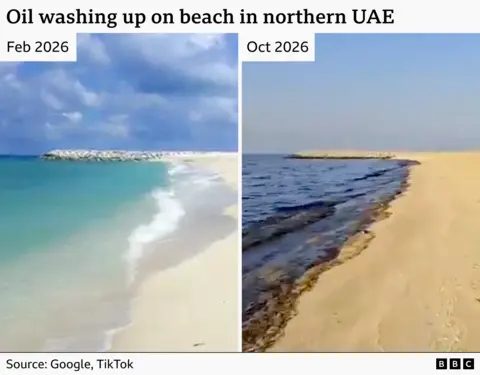
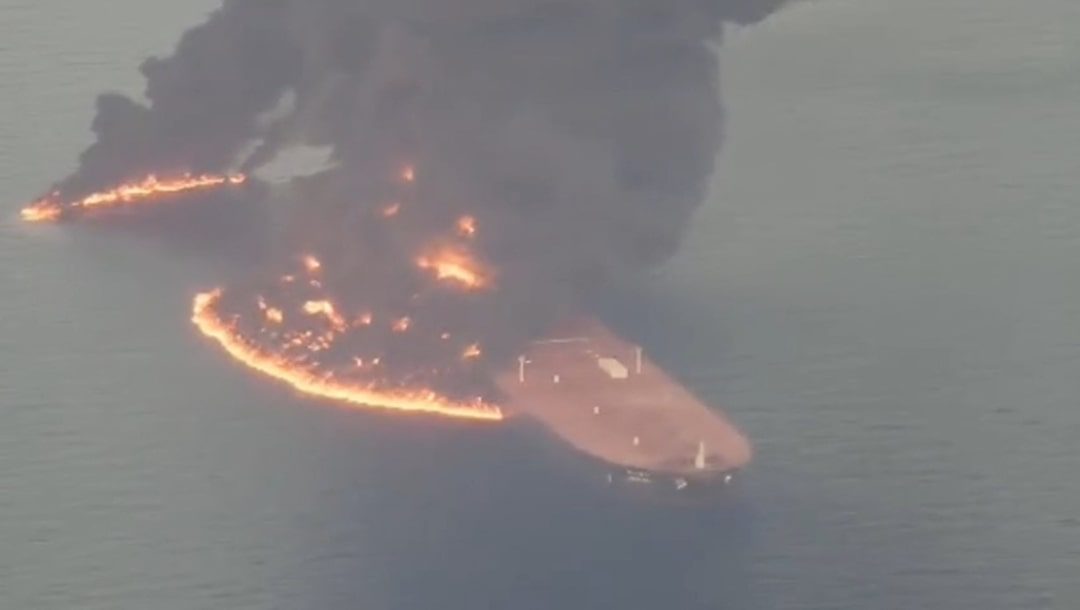
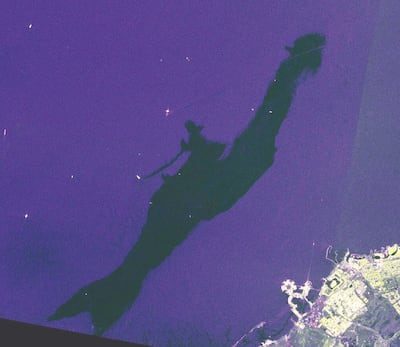
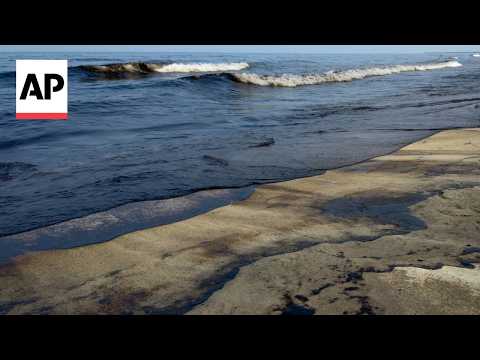
Floating oil from a damaged tanker about 25 kilometers off the coast of Umm Al Quwain has forced beach closures across three northern emirates. The spill comes from a vessel attacked near the Strait of Hormuz, and the slick is drifting toward shorelines that include a globally recognized biodiversity area.

The UAE gets most of its drinking water from desalination plants along this coast, so the spill's reach extends well beyond closed beaches. Containment crews are working offshore, but fast-moving currents and the Gulf's semi-enclosed geography make the oil hard to stop once it spreads.

Why it matters

Most of the UAE's drinking water comes from desalination plants on this coastline, so oil reaching shore endangers the water supply, not just beaches.

Questions about this story

Free account needed to ask — your question is kept and asked for you right after sign-up. Answers are public.

No questions yet — be the first to ask.

Key Indicators

3
Emirates with beach or coastal closures
Umm Al Quwain, Sharjah, and Ras Al Khaimah have all closed beaches or coastal areas.
25 km
Distance of leaking tanker from shore
The vessel is about 25 kilometers (16 miles) off Umm Al Quwain.
3
Emirates where residents reported oil odors
Odors were reported in Sharjah, Ajman, and Umm Al Quwain; the ministry said they pose no health risk.

Voices

Curated perspectives — historical figures and your fellow readers.

Ever wondered what historical figures would say about today's headlines?

Sign up to generate historical perspectives on this story.

People Involved

Organizations Involved

Timeline

5 events Latest: Yesterday
Tap a bar to jump to that date
  1. UAE expands beach closures

    Latest Escalation

    UAE expands beach closures across northern emirates as the slick spreads.

  2. Ras Al Khaimah shuts all beaches

    Government action

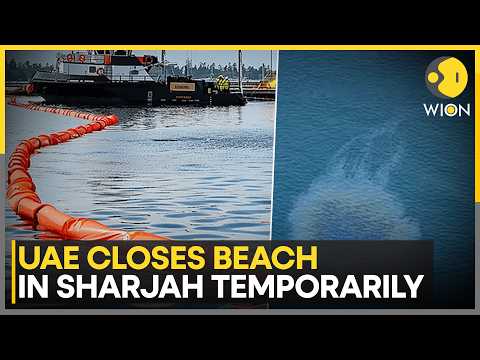
    Ras Al Khaimah closes all beaches until further notice as containment continues offshore.

  3. UAE ministry closes Umm Al Quwain beaches

    Government action

    Ministry closes all Umm Al Quwain beaches; Sharjah shuts Al Hamriyah Beach.

  4. Windward flags leaking vessel

    Detection

    Maritime intelligence firm Windward flags a large vessel leaking oil about 25 kilometers offshore.

  5. Satellite imagery shows slick from tanker

    Detection

    Satellite imagery begins showing an oil slick trailing from a tanker off Umm Al Quwain.

Scenarios

1

UAE reopens closed beaches as slick is contained offshore

Possible Resolves by End of 2026

Discussed by: The National; Rob Mortimer of Fuelre4m

Floating booms and skimmers keep most of the oil off the shoreline, letting crews recover it from the sea surface before it spreads. The ministry lifts the closures after its environmental assessment concludes the coast is safe. Success depends on stopping the leak quickly and calm seas, since spreading oil becomes far harder to treat.

2

Oil reaches Umm Al Quwain lagoon and its mangroves

Likely Resolves by Q1 2027

Discussed by: John Burt of NYU Abu Dhabi, in WIRED Middle East

Currents carry the slick to the barrier islands shielding Umm Al Quwain's lagoon, a habitat of mangroves, salt marshes, seagrasses and corals that supports a large Socotra cormorant colony. Oil that reaches these habitats is harder to clean than slick captured at sea and can persist in sediment for years, as the 1991 Gulf War spill showed.

3

Slick reaches desalination intakes, threatening drinking water

Possible Resolves by End of 2026

Discussed by: Windward drift model, reported by Arab News

Windward's drift projection showed the slick reaching Sharjah's and Ajman's desalination intakes and ports around October 22-23 if the leak continued. The UAE draws most of its drinking water from desalination plants on this coast, making intake contamination a direct threat to supply. The ministry has so far said reported odors pose no health risk.

Historical Context

One moment from history that rhymes with this story — and how it unfolded.

January 1991

Gulf War oil spill (1991)

During the Gulf War, forces opened Kuwaiti oil terminals and tankers in the northern Persian Gulf, creating what was then the largest oil spill in history. The release happened in the same semi-enclosed body of water that borders the UAE.

Then

Affected northern Gulf shorelines developed persistent tar mats, and mangroves and mudflats were damaged. In sandy areas, deposits remained for years without remediation.

Now

The spill became the reference point for how oil behaves in the Gulf, where limited water exchange lets pollutants persist far longer than in open ocean.

Why this matters now

John Burt cited it as the regional cautionary tale. The current spill sits in the same geography, near similar mangrove and mudflat habitats, and risks the same kind of lasting sediment contamination.

Sources

(10)