
Nixon's wheat deal with the USSR (1972)
On the heels of Soviet crop failures, the Nixon administration negotiated a deal for the USSR to purchase American grain. It was the largest grain sale in US history at the time, worth roughly $750 million, and a centerpiece of détente policy during the Vietnam War and Cold War.
The deal eased Cold War tensions and helped American farmers, though it also drove up domestic bread prices and triggered political backlash.
It established a precedent for US-Soviet economic engagement alongside geopolitical rivalry, showing both sides could profit from trade even as their strategic interests clashed.
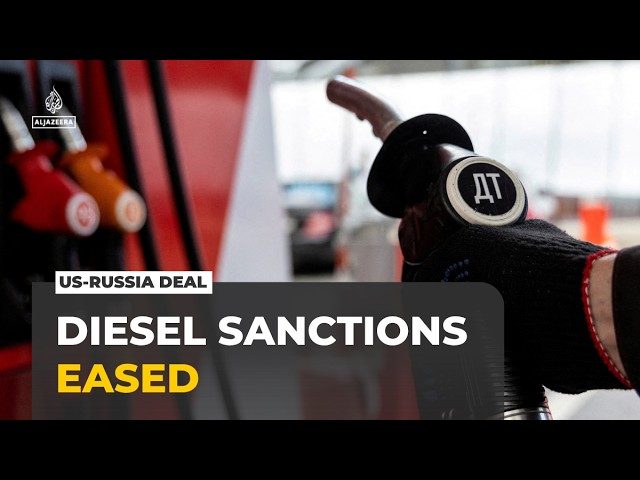
The Trump-Putin diesel deal is a modern echo: economic engagement with an adversary during active conflict, justified by domestic price relief, while critics argue it funds the enemy and undermines sanctions.