
Pull to refresh
Logo
Sudan cholera cases fall sharply after vaccination drive amid ongoing civil war

Sudan cholera cases fall sharply after vaccination drive amid ongoing civil war

New Capabilities

WHO reports weekly cases down to 8 from a July peak of 421, on 19.3% of needed funding

2 days ago: UN reports sharp drop despite ongoing civil war

Overview

Updated Yesterday

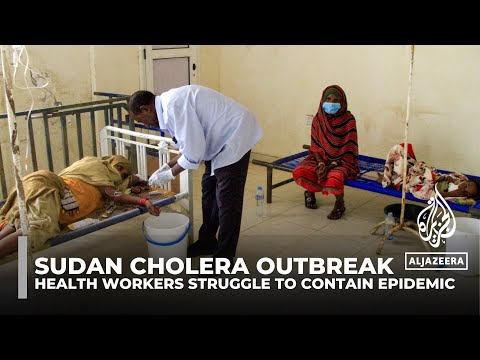
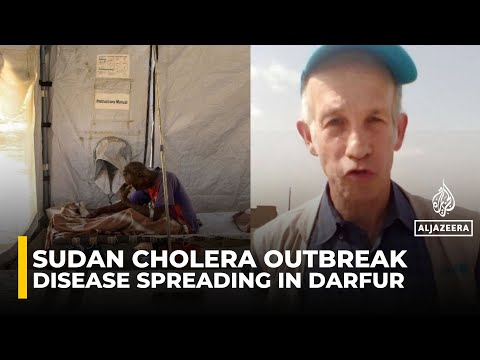
Sudan's cholera outbreak, which has killed 250 people since May, is fading. Weekly cases dropped from 421 at the end of July to 8 by mid-September, a decline the World Health Organization credits to a vaccination drive and pre-positioned medical supplies.

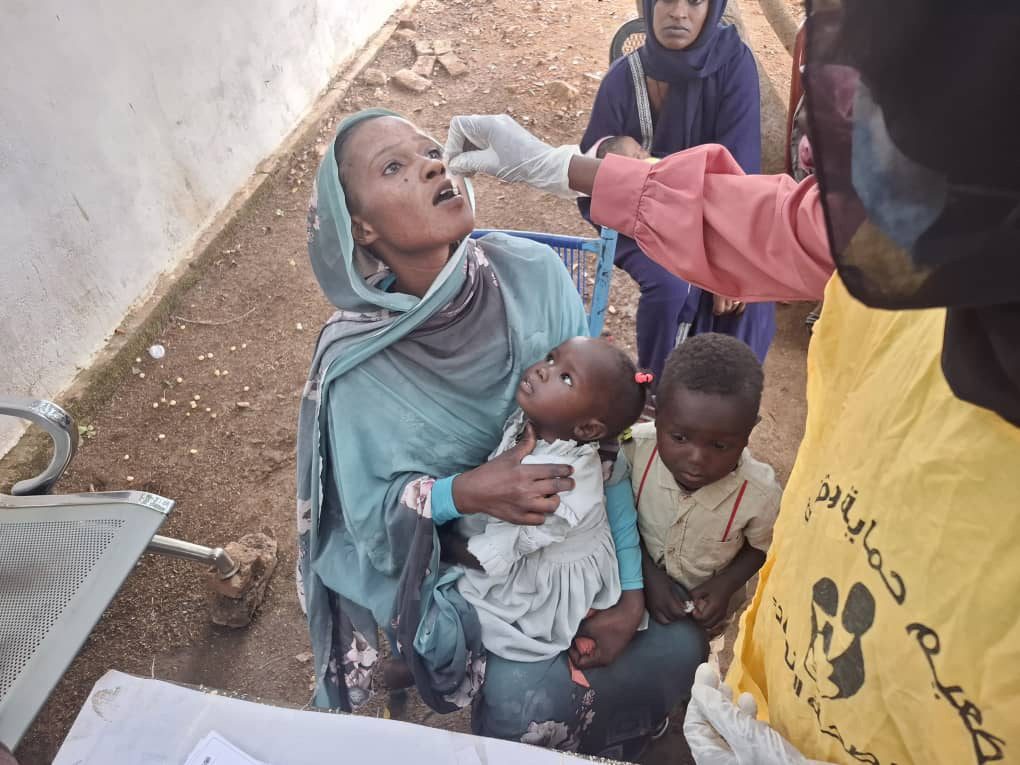
The response reached more than 915,000 people with oral cholera vaccine even as the civil war between Sudan's army and the Rapid Support Forces grinds on. But the effort is underfunded—WHO has only 19.3% of the $97 million it needs for Sudan in 2026—and fighting still blocks aid from some areas.

Why it matters

A war-zone cholera outbreak that killed 250 people is being contained by vaccination—but an underfunded response could reverse the progress.

Questions about this story

Free account needed to ask — your question is kept and asked for you right after sign-up. Answers are public.

No questions yet — be the first to ask.

Key Indicators

2,955
Total cholera cases since May
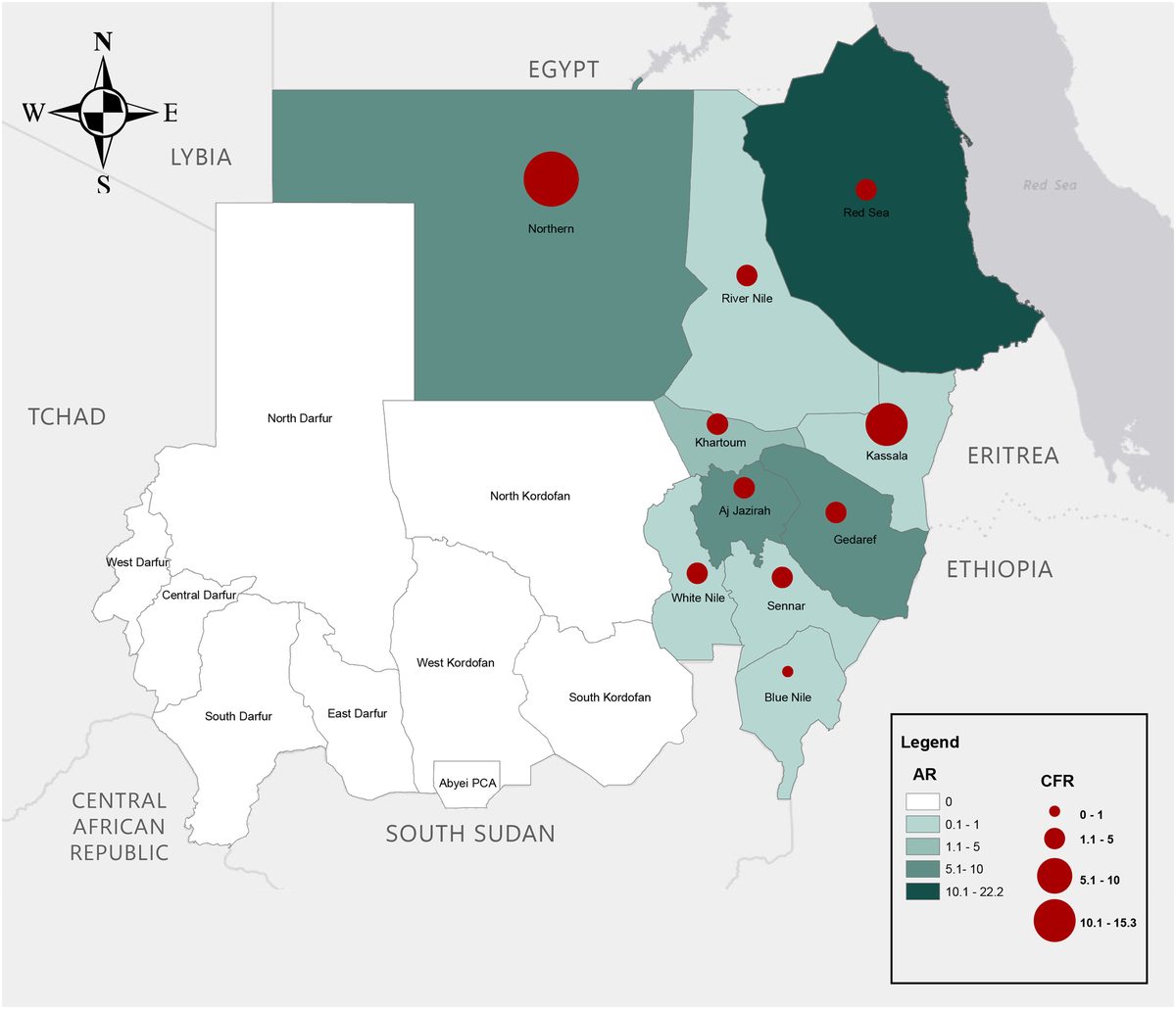
Cases across 20 localities in six states since the outbreak began in Al Nuhud, West Kordofan.
250
Associated deaths
A case fatality ratio of 8.4%, far above WHO's under-1% cholera threshold.
915,377
People reached by oral cholera vaccine
Campaigns in West Kordofan, North and South Darfur; near-100% coverage in West Kordofan.
8 per week
Weekly cases in week ending Sept 11
Down from the 421-case peak in the week ending July 3; no deaths reported that week.
19.3%
Of WHO's $97M Sudan appeal funded
Funding shortfall limits WHO's ability to fully scale up emergency operations.

Voices

Curated perspectives — historical figures and your fellow readers.

Ever wondered what historical figures would say about today's headlines?

Sign up to generate historical perspectives on this story.

People Involved

Organizations Involved

Timeline

April 2023 September 2026

7 events Latest: 2 days ago
Tap a bar to jump to that date
  1. UN reports sharp drop despite ongoing civil war

    Latest Statement

    UN spokesperson Stéphane Dujarric reports the sharp cholera decline, citing vaccination and treatment efforts despite drone attacks and fighting.

  2. WHO reports sharp decline in cases

    Statement

    WHO and partners publish figures showing cases down sharply, crediting vaccination and pre-positioned supplies.

  3. Weekly cases drop to 8, zero deaths

    Health

    Sharp decline takes hold; week ends with eight cases and no associated deaths.

  4. Weekly cases peak at 421

    Health

    Highest single-week case count of the outbreak in the week ending July 3.

  5. Cholera outbreak formally declared

    Health

    Sudan declares the cholera outbreak in June 2026.

  6. Cholera outbreak begins in West Kordofan

    Health

    First cases emerge in Al Nuhud locality, spreading later to 20 localities across six states.

  7. Civil war erupts in Sudan

    Conflict

    Sudanese army and Rapid Support Forces begin fighting, displacing millions and destroying water and health systems.

Scenarios

1

Sudan keeps cholera below 20 weekly cases into early 2027

Likely Resolves by Jan 31, 2027

Discussed by: WHO Sudan office, ReliefWeb reporting

If surveillance and vaccination hold despite the fighting, containment succeeds. WHO has already deployed 60 rapid response teams and 17 treatment centres; maintaining these through the dry season would sustain the decline.

2

Outbreak resurges as underfunding and fighting cut access

Possible Resolves by End of 2026

Discussed by: WHO Representative Dr. Abdinasir Abubakar

With only 19.3% of the $97 million WHO appeal funded, response capacity could weaken. Fighting blocks water and sanitation access in parts of Kordofan and Darfur, where displaced communities remain at heightened risk of renewed transmission.

3

Vaccination expands to remaining high-risk states

Possible Resolves by Q1 2027

Discussed by: UNICEF and WHO joint campaigns

Preventive campaigns already reached Tawila in North Darfur at 87% coverage. Funding and access permitting, similar campaigns could extend to other high-risk localities still affected by displacement.

Historical Context

2 moments from history that rhyme with this story — and how they unfolded.

2016–2018

Yemen's civil-war cholera outbreak (2016–2018)

Cholera swept through Yemen during the civil war, becoming the world's largest outbreak in modern history with over a million suspected cases in the peak year. Bombing and neglect destroyed water and sewage systems.

Then

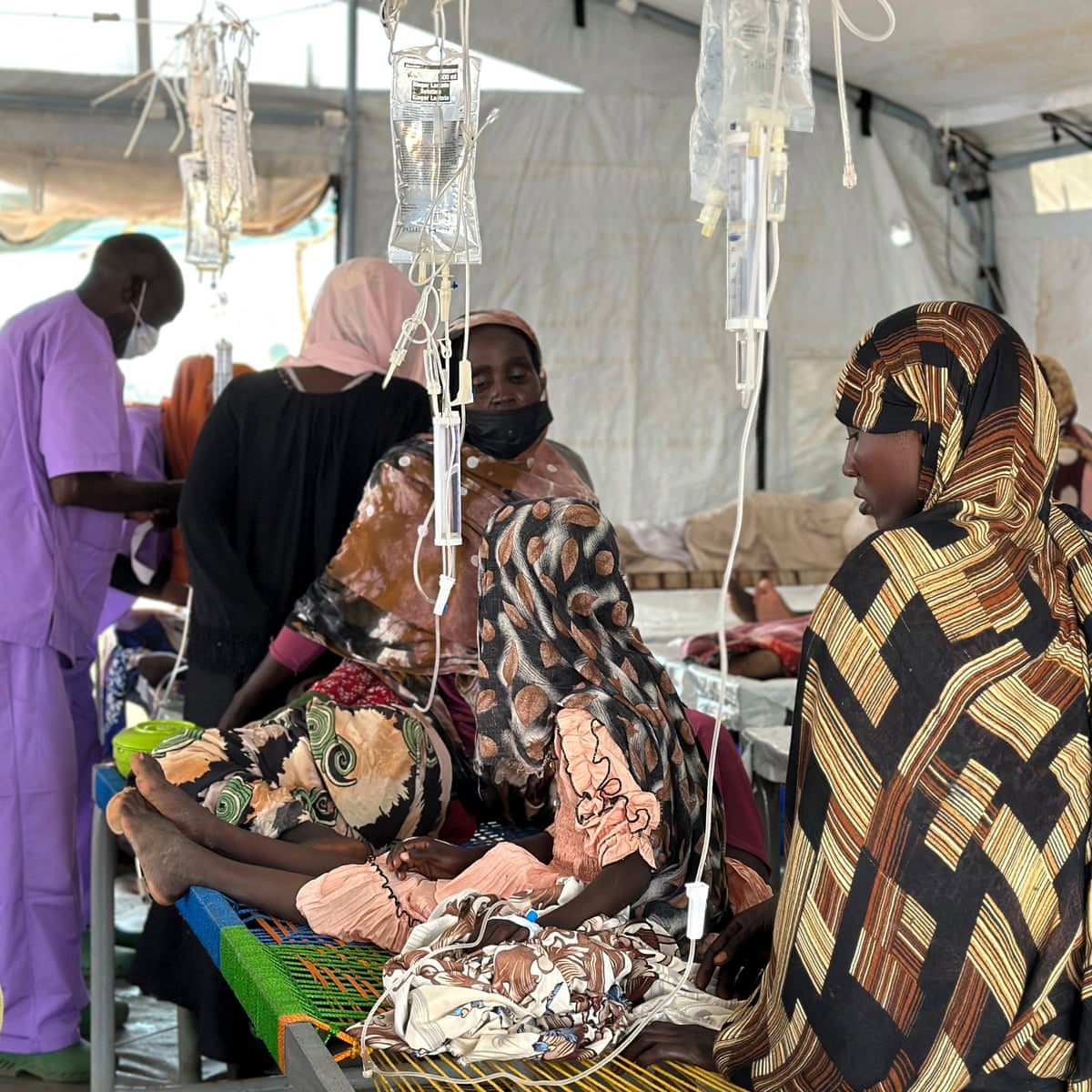
Hospitals overflowed and treatment centres became a daily fixture across the country.

Now

The outbreak became the reference case for how conflict fuels waterborne disease.

Why this matters now

It parallels Sudan: war-damaged infrastructure and restricted access are the drivers, and vaccination plus clean water are the only reliable levers.

2024–2025

Sudan's largest cholera outbreak (2024–2025)

The previous outbreak closed with more than 124,000 cases and about 3,500 deaths, reaching all 18 of Sudan's states. War-driven displacement and damaged water systems drove it further than any prior wave.

Then

The scale overwhelmed health facilities and killed thousands before ebbing.

Now

It showed how conflict-displaced people moving into camps without clean water or sanitation let cholera erupt within days of arrival.

Why this matters now

The current outbreak is far smaller at 2,955 cases, showing what faster vaccination and pre-positioned supplies can do—but the same war conditions that fueled the 2024/2025 wave remain.

Sources

(8)