
Pull to refresh
Logo
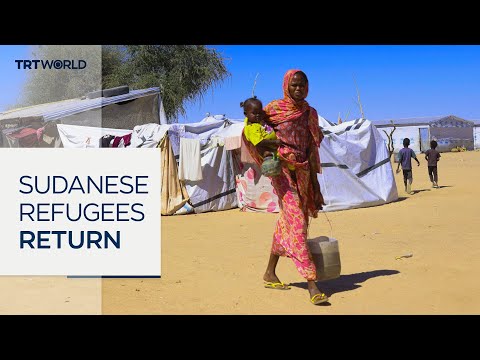
More than 5 million displaced Sudanese return home amid ongoing civil war

More than 5 million displaced Sudanese return home amid ongoing civil war

Force in Play

IOM counts 5.15 million returnees but warns 8.6 million remain displaced as services fail

Yesterday: IOM counts 5.15 million returnees

Overview

Updated 1 hour ago

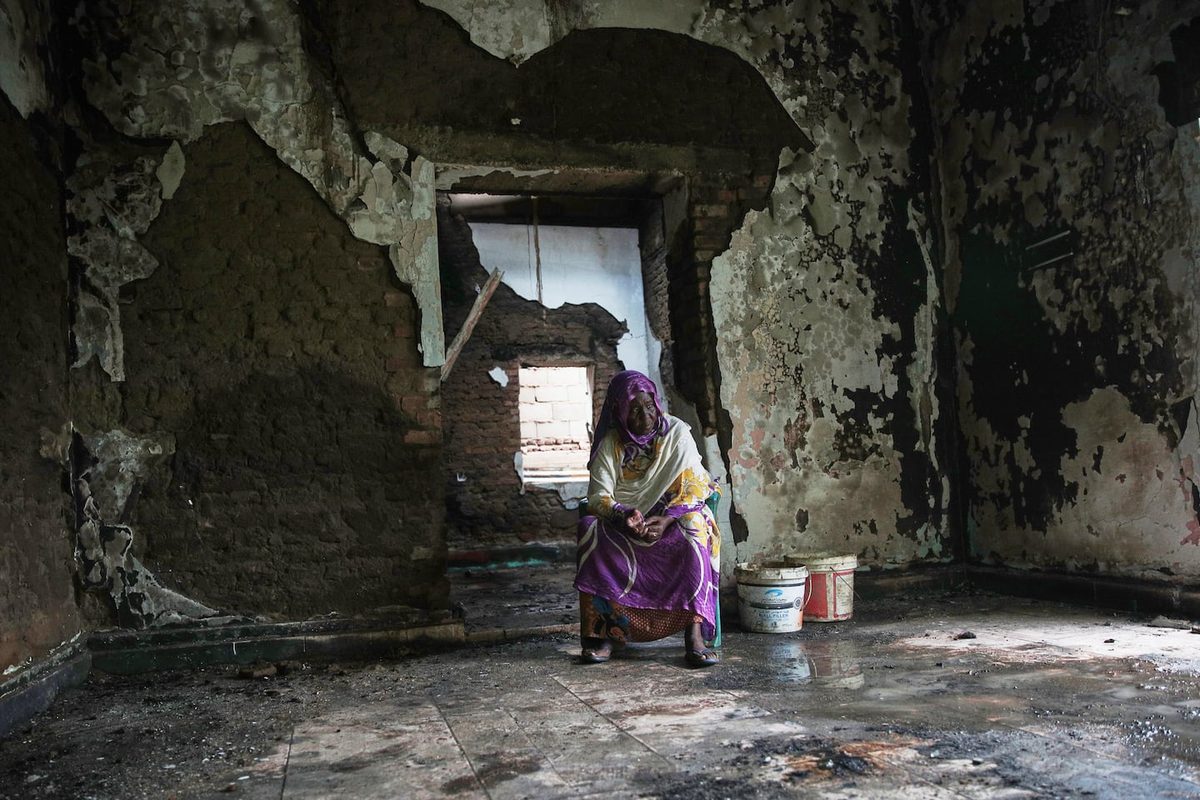
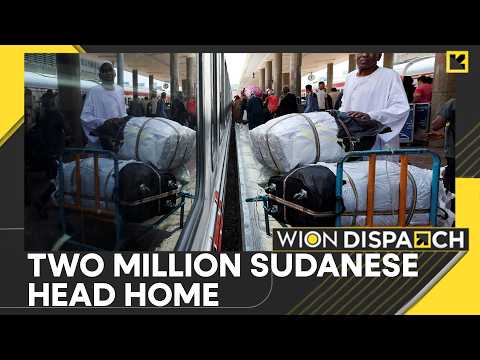
Five million Sudanese have gone home since the army retook Khartoum in 2025. Most are returning to damaged homes, closed schools, and clinics that barely function.

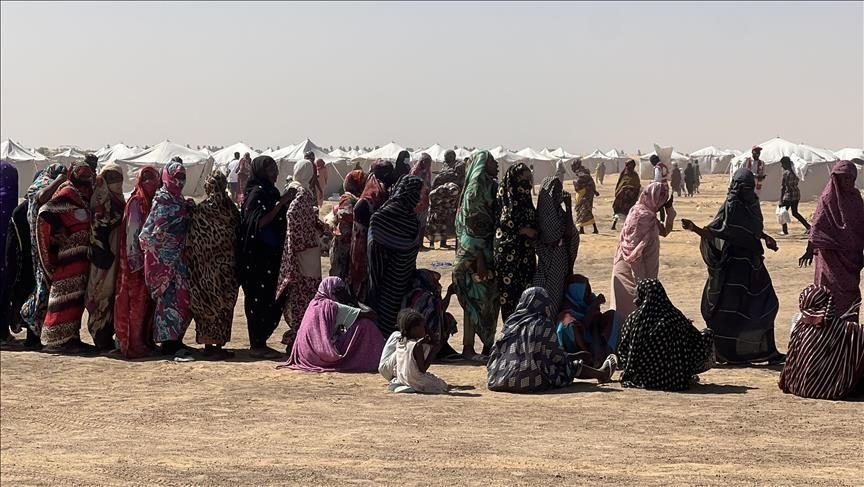
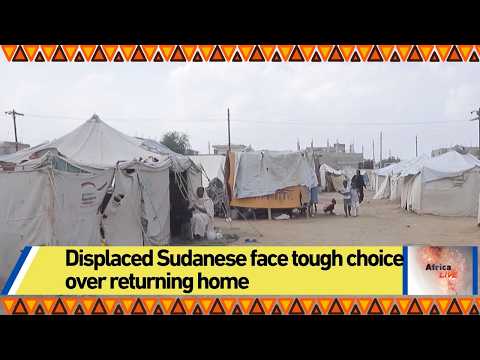
The International Organization for Migration (IOM) recorded 5.15 million returnees across nine states in September, up 4% from a month earlier. Another 8.58 million people remain displaced, and new flights continue in Darfur, Kordofan, and Blue Nile. Without rebuilding, the returns may not hold.

Why it matters

If rebuilding doesn't keep pace with returns, 8.6 million displaced Sudanese could flee again, reversing the milestone.

Questions about this story

Free account needed to ask — your question is kept and asked for you right after sign-up. Answers are public.

No questions yet — be the first to ask.

Key Indicators

5.15M
People returned to areas of origin
Across nine states, up 4% from August 2026.
8.58M
People still displaced inside Sudan
Down 26% from the war's peak displacement.
82%
Returnees who were internally displaced
About 930,000 others returned from abroad, mostly from Egypt.
200,000+
Estimated deaths since April 2023
Aid workers' estimate for the war's toll.
~50%
Returnees under 18 years old
Half of all returnees are children with interrupted schooling.

Voices

Curated perspectives — historical figures and your fellow readers.

Ever wondered what historical figures would say about today's headlines?

Sign up to generate historical perspectives on this story.

People Involved

Organizations Involved

Timeline

April 2023 September 2026

4 events Latest: Yesterday
Tap a bar to jump to that date
  1. IOM counts 5.15 million returnees

    Latest Data release

    The International Organization for Migration reports 5.15 million people have returned to their areas of origin, up 4% from a month earlier. Another 8.58 million remain displaced, a 26% drop from the peak. IOM warns the returns could reverse without rebuilding.

  2. Army retakes Khartoum

    Conflict

    During 2025, government forces recapture the capital and parts of Al Jazirah, Sennar, and northern Kordofan. Improved security in those areas prompts many displaced residents to begin returning home.

  3. Civil war erupts in Sudan

    Conflict

    Fighting breaks out between Sudan's army and the Rapid Support Forces in Khartoum. The war would kill more than 200,000 people and displace over 12 million at its height.

  4. Mass displacement begins

    Displacement

    Civilians flee Khartoum and other cities as fighting spreads. Roughly 12 million people are displaced inside Sudan at the crisis peak, and nearly 5 million flee to neighboring countries.

Scenarios

1

Reconstruction funding arrives, returns hold

Possible Resolves by Q2 2027

Discussed by: IOM leadership and UN humanitarian agencies

If donors and international financial institutions act on IOM's appeal, funding would rebuild housing, reopen schools and clinics, and create livelihoods in high-return areas. Returns are already growing about 4% monthly, so sustained investment could lock in the trend and prevent a second wave of flight.

2

Insecurity in Darfur reverses returns

Likely Resolves by Q2 2027

Discussed by: IOM field data and aid agencies on the ground

Fighting continues in parts of Darfur, Kordofan, and Blue Nile, where IOM records new displacement even as other regions stabilize. If violence spreads to high-return areas, recent gains could reverse and the displaced population could climb again toward its peak.

3

Protracted limbo — millions stuck in damaged towns

Uncertain Resolves by Q2 2027

Discussed by: Humanitarian analysts and UN OCHA assessments

Without major new funding or a wider peace, both displaced and returnee numbers could plateau. Millions would live in damaged homes with broken services and few jobs, neither fully displaced nor able to rebuild their lives.

Historical Context

3 moments from history that rhyme with this story — and how they unfolded.

1996–2000

Bosnia and Herzegovina returns (1996–2000)

About a million people returned to Bosnia after the 1995 Dayton accords, but few went back to areas controlled by another ethnic group, and most housing had been destroyed.

Then

UNHCR's 'Open Cities' initiative and reconstruction funds slowly enabled minority returns, which peaked years after the war.

Now

Returns never reached pre-war levels; roughly half the displaced stayed abroad.

Why this matters now

Demonstrates that returns depend on services and security, not just the end of fighting.

2017–2018

Mosul returns after ISIS (2017–2018)

After Iraqi forces expelled ISIS from Mosul in July 2017, hundreds of thousands of residents came home to a city where much of the western half was rubble and services were gone.

Then

Early returns outpaced reconstruction; camps on the city's edge housed people waiting for neighborhoods to be cleared of explosives.

Now

Rebuilding lagged for years, and some returnees left again for lack of water, power, and jobs.

Why this matters now

The closest parallel to Khartoum — a recaptured capital drawing families back before basic services exist.

2018–2020

Syrian civil war returns (2018–2020)

After government forces retook eastern Ghouta and Aleppo's suburbs, hundreds of thousands of displaced Syrians returned to neighborhoods reduced to rubble with no water or power. Many left again; others lived in basements for years.

Then

Returns were large but fragile. NGO aid and pop-up markets stabilized some districts while others emptied again.

Now

Syria's reconstruction never matched the scale of destruction, leaving millions permanently displaced abroad.

Why this matters now

Shows that returns to war-broken cities stall or reverse when rebuilding doesn't follow the flag.

Sources

(4)