
Pull to refresh
Logo
US and Venezuela resume military cooperation after 21 years

US and Venezuela resume military cooperation after 21 years

Force in Play

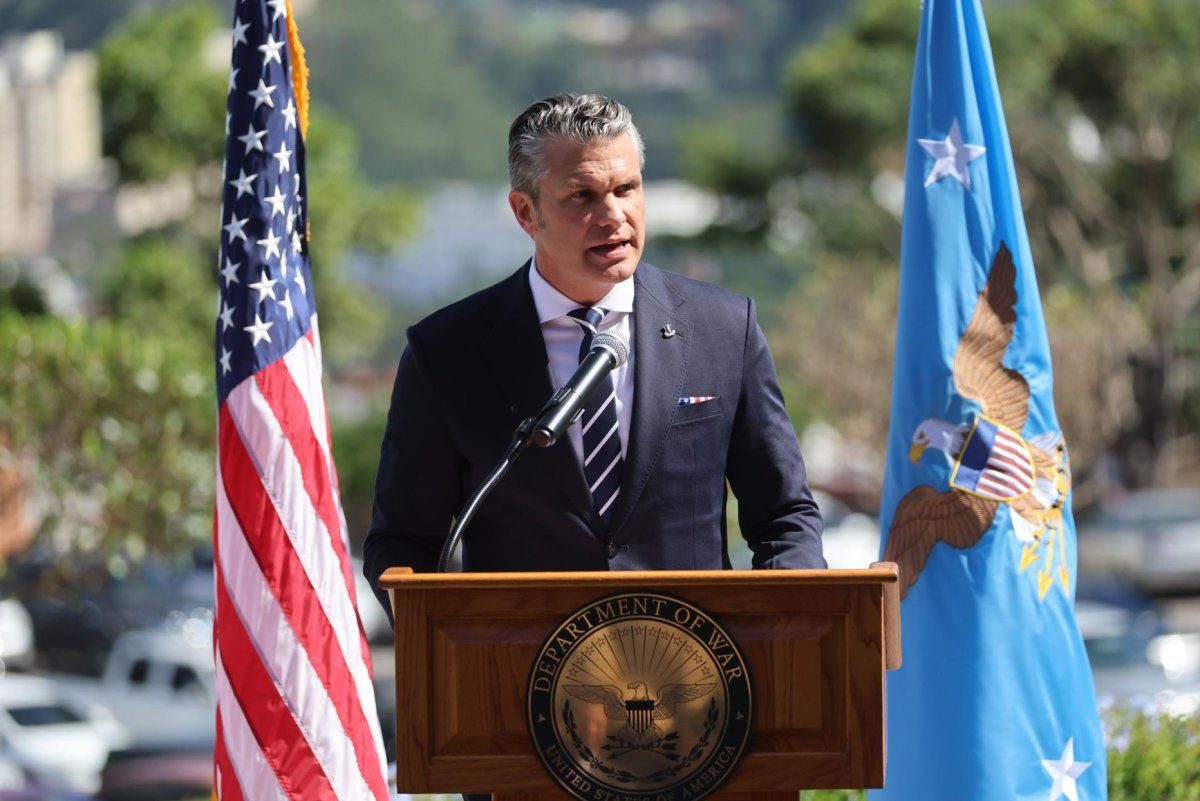
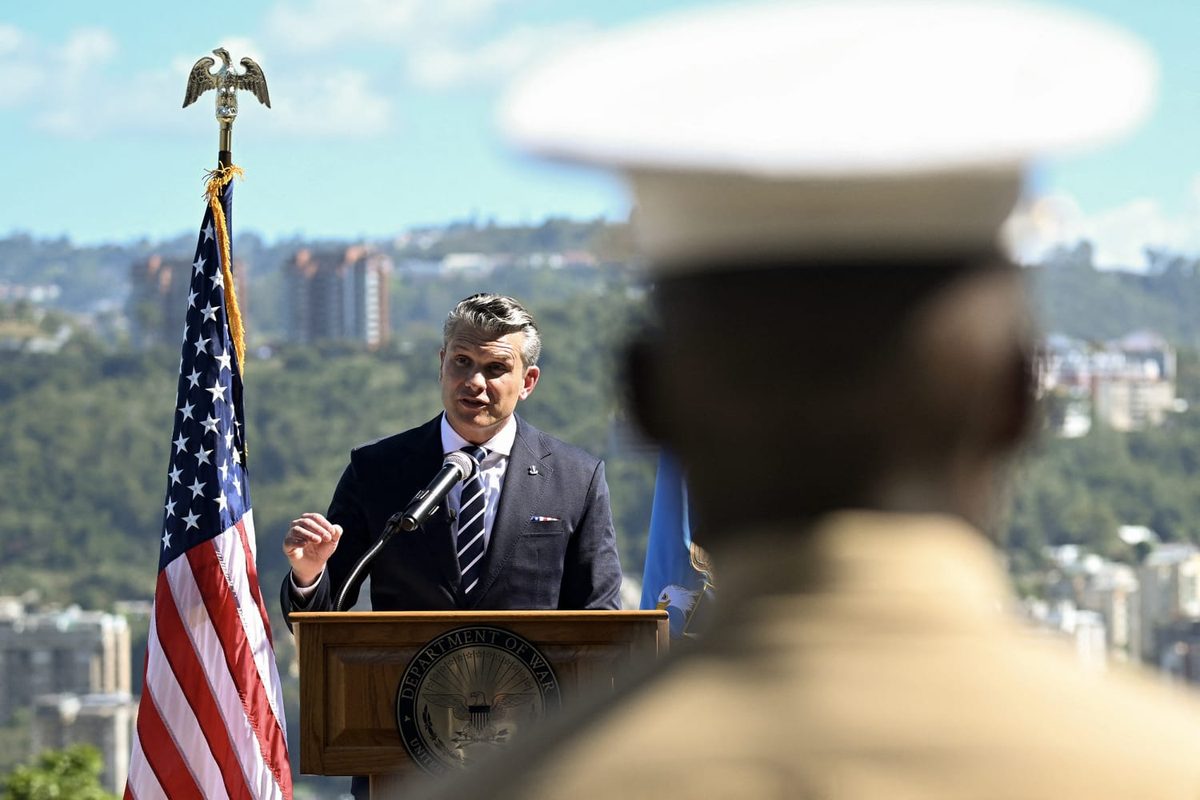
Defense Secretary Pete Hegseth signed a training and intelligence-sharing deal in Caracas, less than a year after US forces removed Nicolás Maduro.

Overview

Updated 1 hour ago

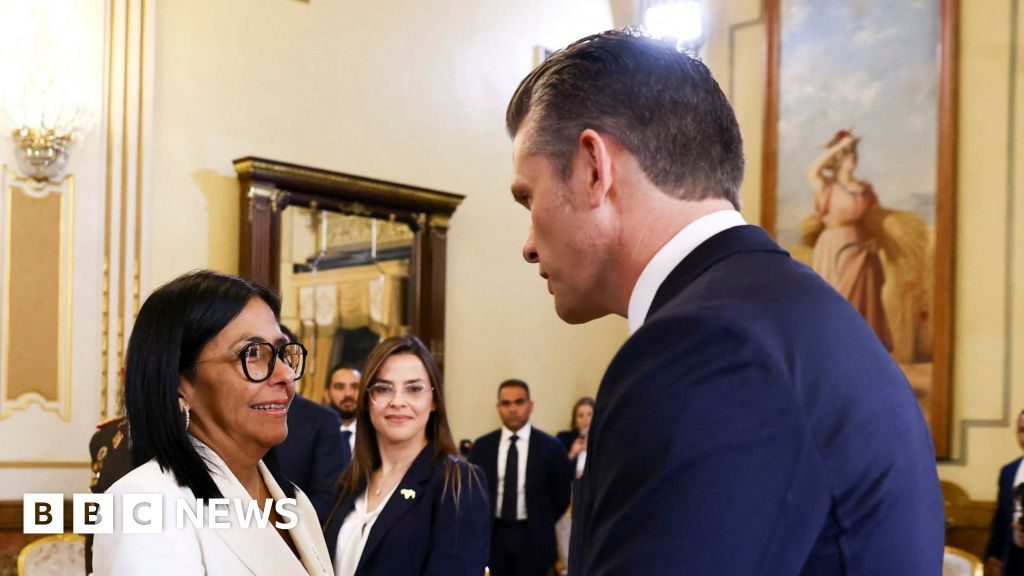
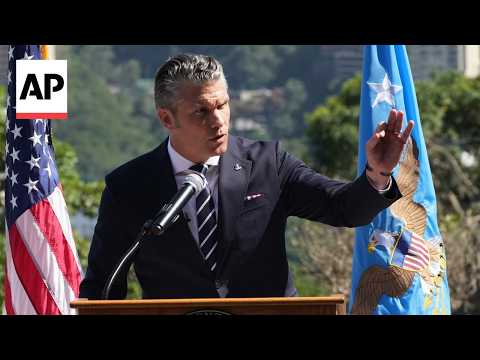
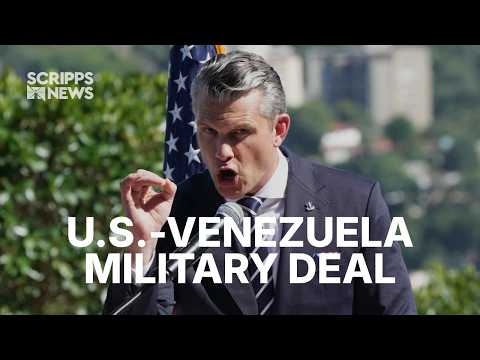
Venezuela's armed forces will train with the American military and share intelligence under an agreement Defense Secretary Pete Hegseth signed in Caracas on Wednesday. Not since Hugo Chávez cut military ties in 2005 had the two countries cooperated this way.

The deal comes less than a year after US special forces removed President Nicolás Maduro in a raid on Caracas. It gives Washington a formal role in training and equipping a military whose government depends on oil revenue the US holds.

Why it matters

Venezuela's military will train with the force that removed its president, while Washington controls the oil money behind it.

Questions about this story

Free account needed to ask — your question is kept and asked for you right after sign-up. Answers are public.

No questions yet — be the first to ask.

Key Indicators

21
Years without military cooperation
Hugo Chávez ended exchange and cooperation agreements with the US in April 2005.
$12B
Venezuelan oil revenue through US-controlled accounts
Revenue from January to September 2026, per a State Department report released November 12.
99%
Share of those funds disbursed
Mostly to individuals and businesses through commercial banks, per the US government.

Voices

Curated perspectives — historical figures and your fellow readers.

Sign up to generate historical perspectives on this story.

People Involved

Organizations Involved

Timeline

April 2005 November 2026

5 events Latest: Today
Tap a bar to jump to that date
  1. Rights group warns agreement terms are secret

    Today Statement

    Laboratorio de Paz says military secrecy does not justify withholding clauses, duration and oversight.

  2. Hegseth and Rodríguez sign military cooperation agreement

    Agreement

    Joint training, intelligence sharing and equipment cooperation resume after 21 years.

  3. State Department reports $12bn through US-controlled accounts

    Report

    More than $12bn in Venezuelan oil and resource revenue passed through US-supervised accounts between January and September.

  4. US forces raid Caracas and remove Maduro

    Military

    American special forces deposed President Nicolás Maduro in a raid in Caracas.

  5. Chávez ends US military cooperation

    Policy

    President Hugo Chávez terminated military exchange and cooperation agreements with Washington, saying they would end until who knows when.

Scenarios

1

US and Venezuelan forces launch joint operations against armed groups

Possible Resolves by Q2 2027

Discussed by: Carlos Pina, political analyst, speaking to Al Jazeera

Pina expects cooperation to focus on armed groups and drug trafficking along the Colombia border, possibly including joint air raids. Hegseth said the partnership would mean a significant increase in joint action against trafficking groups. Pina adds that the FANB will resist anything beyond that.

2

Full text of the agreement is published

Possible Resolves by Q1 2027

Discussed by: Laboratorio de Paz

The rights group says the secrecy argument does not justify withholding the clauses, duration and oversight mechanisms, and notes that past US-Venezuelan military agreements were published. Venezuela's constitution gives the parliament a role in authorizing foreign military missions, and no approval has been reported.

3

Democratic-controlled Congress blocks funding for the cooperation

Possible Resolves by End of 2027

Discussed by: Carlos Pina, political analyst

Democrats take control of Congress in January 2027, and Pina says Rodríguez is buying time in part because more scrutiny of Trump's Venezuela policy could give Caracas room to negotiate. An appropriations restriction or a blocking vote would test how much of the deal rests on executive action alone.

4

US establishes a permanent military presence in Venezuela

Unlikely Resolves by End of 2027

Discussed by: UPI and Carlos Pina

Neither government said whether the deal allows US bases or permanent troop deployments. Pina says the Venezuelan armed forces will not concede a larger US role, so a permanent presence would require leverage the published deal does not visibly contain.

Historical Context

3 moments from history that rhyme with this story — and how they unfolded.

April 2005

Chávez ends military cooperation (2005)

President Hugo Chávez announced Venezuela would end military exchange and cooperation agreements with the United States. He said the break would last until who knows when.

Then

US military ties to Caracas shut down.

Now

The rupture held for 21 years, until the November 2026 agreement.

Why this matters now

The new deal reverses a break that lasted two decades and had come to define the relationship.

December 1989

US invasion of Panama (1989)

US forces invaded Panama to remove Gen. Manuel Noriega, who faced drug-trafficking charges in the United States. Guillermo Endara, the winner of a nullified election, was sworn in as president.

Then

Noriega surrendered in January 1990 and was later convicted in Miami.

Now

US troops stayed for years, and Washington kept close ties with Panama's new government until the canal handover in 1999.

Why this matters now

Panama shows the sequence now unfolding in Venezuela: a US raid removes a leader, and the replacement government aligns its security forces with Washington.

2000

Plan Colombia (2000)

The US and Colombia launched a counter-narcotics and counter-insurgency program that deepened military ties between Washington and Bogotá. US aid and training flowed to Colombia's military and police.

Then

The program tied Colombia closely to Washington for more than a decade.

Now

It became the region's reference model for US security partnerships framed around drug trafficking and armed groups.

Why this matters now

The Venezuela agreement uses the same framing, drug trafficking and armed groups, that justified Plan Colombia.

Sources

(10)