


Pull to refresh
Logo
Daily Brief
Following
Why Ranks Sign Up
UPS shrinks its Amazon business to chase profit

UPS shrinks its Amazon business to chase profit

Built World

UPS is cutting delivery volume for its biggest customer in half and rebuilding its network. Q2 2026 is the first quarter the strategy shows up in growth.

Today: UPS beats and raises outlook

Overview

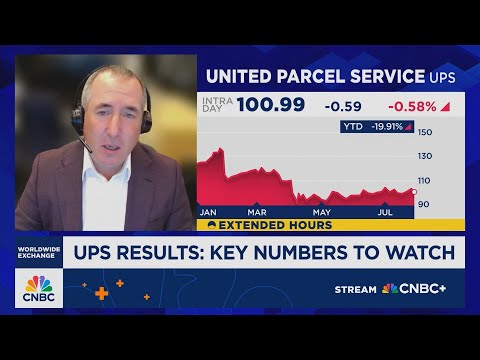
UPS spent 18 months firing its biggest customer. On July 28, 2026, the numbers showed why. Revenue hit $22.83 billion and adjusted profit reached $1.76 per share, both above what Wall Street expected. The company raised its full-year outlook and said it was back to growing.

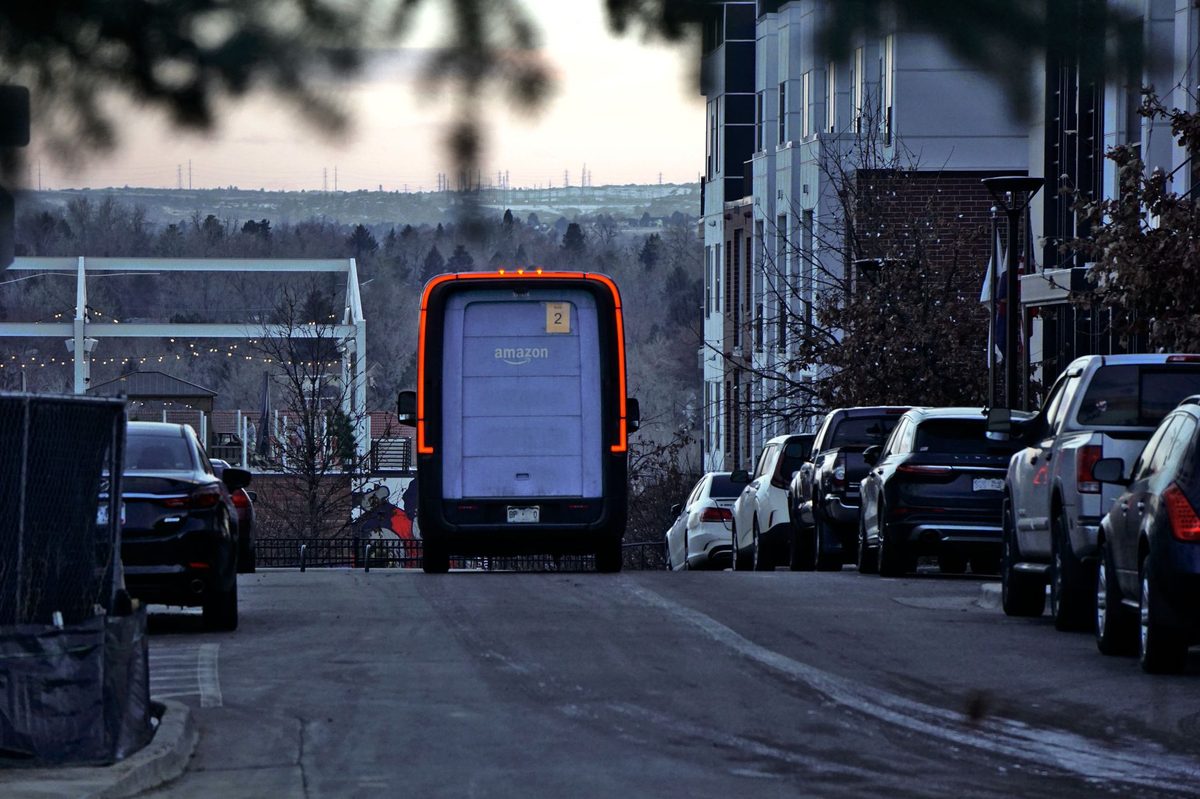
The turn matters because UPS chose it. Amazon was UPS's largest customer but one of its least profitable. So UPS decided to cut Amazon's delivery volume by more than half, close facilities, and cut tens of thousands of jobs. Q2 is the first clean read on whether trading volume for margin actually works.

Why it matters

UPS handles a big share of U.S. parcels, so its choice to prize profit over volume changes shipping costs and jobs across the delivery economy.

Questions about this story

No questions yet — be the first to ask.

Key Indicators

$22.83B
Q2 2026 revenue
Above the roughly $21.8 billion analysts expected.
$1.76
Adjusted earnings per share
Beat the $1.66 consensus estimate by 10 cents.
$91.2B
Raised full-year revenue outlook
New 2026 guidance, up from prior forecasts.
50%+
Amazon volume cut
Planned reduction in Amazon packages by mid-2026.
~30,000
Jobs cut in 2026
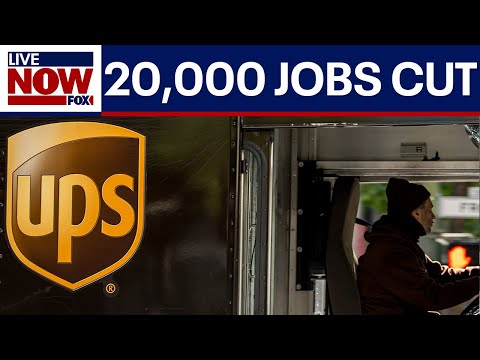
On top of roughly 48,000 cut in 2025.
$3.5B
2025 cost savings
From network changes and the Efficiency Reimagined program.

Voices

Curated perspectives — historical figures and your fellow readers.

Ever wondered what historical figures would say about today's headlines?

Sign up to generate historical perspectives on this story.

Play

Exploring all sides of a story is often best achieved with Play.

Log in to play. Track your picks, climb the leaderboards. Log in Sign Up
Predict 3 ways this could play out. Contrarian picks score more — points lock when the scenario resolves. Log in to play
Higher or Lower Two numbers from this story. Guess which is bigger. 5 rounds to set a streak. Log in to play
Connections Sixteen names from the news. Find the four hidden groups of four. Log in to play

People Involved

Organizations Involved

Timeline

January 2025 July 2026

4 events Latest: Today
Tap a bar to jump to that date
  1. UPS beats and raises outlook

    Today Earnings

    Q2 revenue of $22.83 billion and adjusted EPS of $1.76 top estimates. UPS lifts full-year guidance to about $91.2 billion in revenue and $7.22 in adjusted EPS. Shares rise about 1.8% premarket.

  2. Amazon glide-down passes halfway

    Operations

    UPS reports cutting about 500,000 Amazon pieces a day in Q1, keeping the mid-2026 target on track.

  3. First year of cuts lands

    Restructuring

    UPS ends 2025 having cut roughly 48,000 jobs and booked $3.5 billion in savings from network changes.

  4. UPS moves to shrink its Amazon business

    Strategy

    On its Q4 2024 call, UPS says it will cut Amazon delivery volume by more than 50% by mid-2026 and launch a savings program called Efficiency Reimagined.

Historical Context

2 moments from history that rhyme with this story — and how they unfolded.

August 2019

FedEx ends its Amazon ground contract (2019)

FedEx chose not to renew its U.S. ground-delivery contract with Amazon, walking away from its own large customer. FedEx argued Amazon was becoming a competitor building its own delivery arm, and that the volume was not worth the strategic risk.

Then

FedEx lost the revenue and took market questions about the decision. Amazon shifted the volume to its growing in-house network.

Now

Amazon built one of the largest delivery operations in the country, validating FedEx's read that the relationship was risky rather than durable.

Why this matters now

UPS is making the same bet FedEx made, but larger and slower: treat Amazon as low-value volume and give it up on purpose. It shows the choice is a known playbook, not a panic move.

August 1997

UPS pilots strike over network changes (1997)

About 185,000 Teamsters walked off the job at UPS for 15 days, mostly over the company's use of part-time workers. The strike halted much of UPS's package flow and forced a national spotlight on how the network is staffed.

Then

UPS lost an estimated $600 million and had to convert thousands of part-time jobs to full-time under a new contract.

Now

Labor terms became a lasting constraint on how quickly UPS could reshape its workforce and network.

Why this matters now

Today's restructuring cuts tens of thousands of jobs, but UPS says it is using attrition and voluntary buyouts, not forced layoffs. The 1997 history explains why the company is cutting carefully rather than fast.

Sources

(5)