



Pull to refresh
Logo
US factory orders beat forecasts as aircraft and AI equipment lead

US factory orders beat forecasts as aircraft and AI equipment lead

Money Moves

September orders rose 1.8% to $677.2 billion, but the strength is concentrated in aircraft and computers while manufacturers' sentiment weakens.

Overview

Updated 1 hour ago

New orders for US factory goods rose 1.8% in September to $677.2 billion, the Census Bureau reported on November 3, above the 1.2% economists polled by Reuters had forecast. August was revised up to a 0.3% gain from 0.1%, and orders were 7.2% higher than a year earlier.

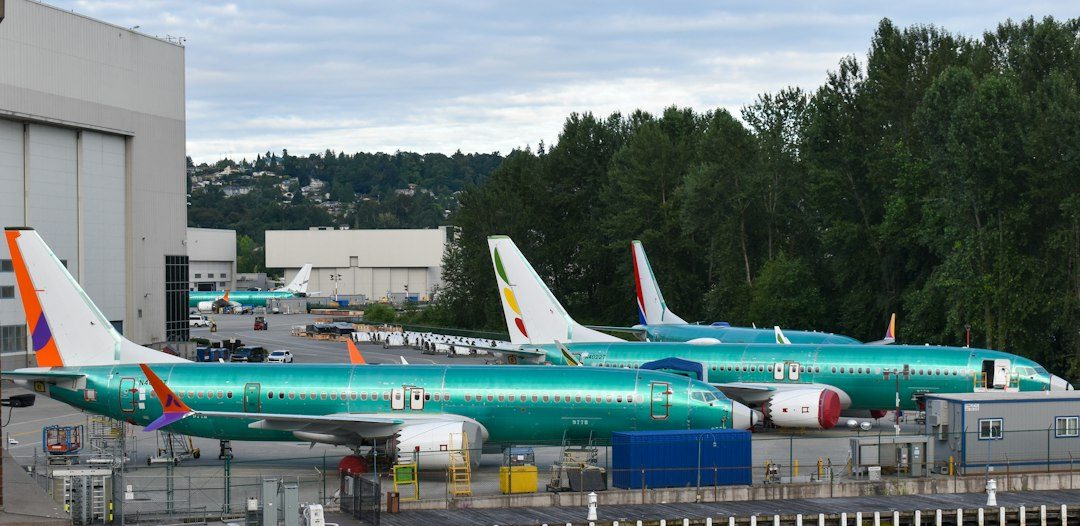
The gain was lopsided. Civilian aircraft and parts bookings jumped 28.3%, machinery rose 1.5%, and computers and electronic products climbed 0.8% and 14.9% year over year. Electrical equipment orders fell 0.3%. The split matters because it shows where demand is coming from: an AI infrastructure buildout and consumer spending, not a broad industrial recovery.

Why it matters

Manufacturing is 9.4% of the US economy; whether AI equipment spending can offset a consumer slowdown decides if factories keep hiring into 2027.

Questions about this story

Free account needed to ask — your question is kept and asked for you right after sign-up. Answers are public.

No questions yet — be the first to ask.

Key Indicators

1.8%
Factory orders, month over month
September 2026 gain, above the 1.2% forecast and after an upwardly revised 0.3% in August.
$677.2B
Total new factory orders
Seasonally adjusted value of new orders for manufactured goods in September.
7.2%
Factory orders, year over year
September orders compared with the same month a year earlier.
28.3%
Civilian aircraft and parts orders
The volatile segment that supplied most of the headline gain.
0.6%
Core capital goods orders
Non-defense capital goods excluding aircraft, a proxy for business equipment spending.
1.2%
Core capital goods shipments
Shipments of the same business equipment category, matching the initial estimate.
-0.3%
Electrical equipment orders
One of the few declining categories in an otherwise strong month.

Voices

Curated perspectives — historical figures and your fellow readers.

Sign up to generate historical perspectives on this story.

Organizations Involved

Timeline

3 events Latest: Today
  1. September factory orders beat forecasts at 1.8%

    Today Economic data

    The Census Bureau reported orders rose 1.8% to $677.2 billion, above the 1.2% forecast, with August revised up to 0.3%.

  2. Core capital goods orders revised to 0.6%

    Today Economic data

    Business equipment orders came in at 0.6% rather than the 0.5% first reported, and core shipments rose 1.2%.

  3. Factory production expands while manufacturer sentiment weakens

    Survey

    The Institute for Supply Management's October survey showed production growing, but respondents cited tariffs, pricing volatility and longer lead times as drags.

Scenarios

1

AI equipment demand keeps factory orders growing into 2027

Likely Resolves by Q1 2027

Discussed by: Economists cited by Reuters, who note an AI infrastructure buildout and consumer spending are anchoring manufacturing

If data center and computing investment continues at its current pace, orders for computers and electronic products keep climbing and offset weakness in electrical equipment and other categories. Total factory orders stay positive even as the consumer-facing segments cool.

2

Factory orders turn negative as rates and weak real income bite

Possible Resolves by Q2 2027

Discussed by: Economists cited by Reuters, who warn rising interest rates and declining inflation-adjusted household income will hamper manufacturing next year

Segments outside the AI spending frenzy weaken first: vehicles, furniture, electrical equipment and wood products. With aircraft orders unlikely to repeat a 28% jump every month, the headline index follows the broader base down.

3

Aircraft volatility produces a negative headline month despite underlying growth

Possible Resolves by Q2 2027

Discussed by: Reuters, which labels civilian aircraft a volatile component after its 28.3% September jump

Civilian aircraft orders swing sharply from month to month. A reversal in that one category could pull total orders below zero even while the rest of manufacturing keeps expanding, muddying the signal for anyone watching the headline.

Historical Context

2 moments from history that rhyme with this story — and how they unfolded.

1996-2000

Telecom and dot-com equipment boom (1996-2000)

Spending on networking gear, servers and fiber surged as companies built out internet infrastructure. Equipment makers posted record orders and expanded capacity to meet demand that assumed the buildout would keep accelerating.

Then

Orders and share prices for telecom equipment makers peaked in 2000 and then fell sharply as carriers cut capital spending.

Now

The resulting glut contributed to a manufacturing recession in 2001, even as internet usage kept growing.

Why this matters now

Today's AI infrastructure buildout is similarly concentrated in a few equipment categories. The question now, as then, is whether that spending is durable or a cyclical peak.

2018-2019

US-China tariff escalation (2018-2019)

The US imposed tariffs on hundreds of billions of dollars of Chinese imports, and China retaliated. Manufacturers faced higher input costs and disrupted supply chains.

Then

The ISM manufacturing index fell below 50 in 2019, signaling contraction, and business investment slowed.

Now

Tariffs stayed in place and reshaped sourcing decisions, but did not bring back broad domestic production.

Why this matters now

Manufacturers in the October 2026 ISM survey again cite tariffs and pricing volatility as drags, even as production expands.

Sources

(9)