1
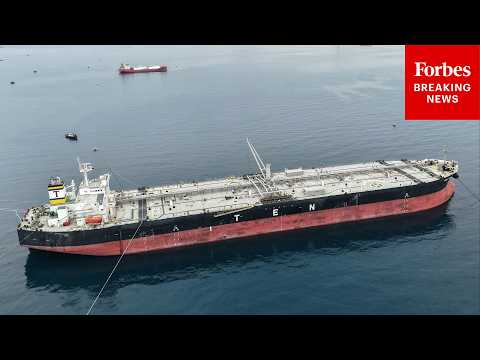
US keeps boarding Iran-linked tankers outside the Gulf
Likely
Resolves by End of 2026
Discussed by: gCaptain, Military Times, U.S. Department of War statements
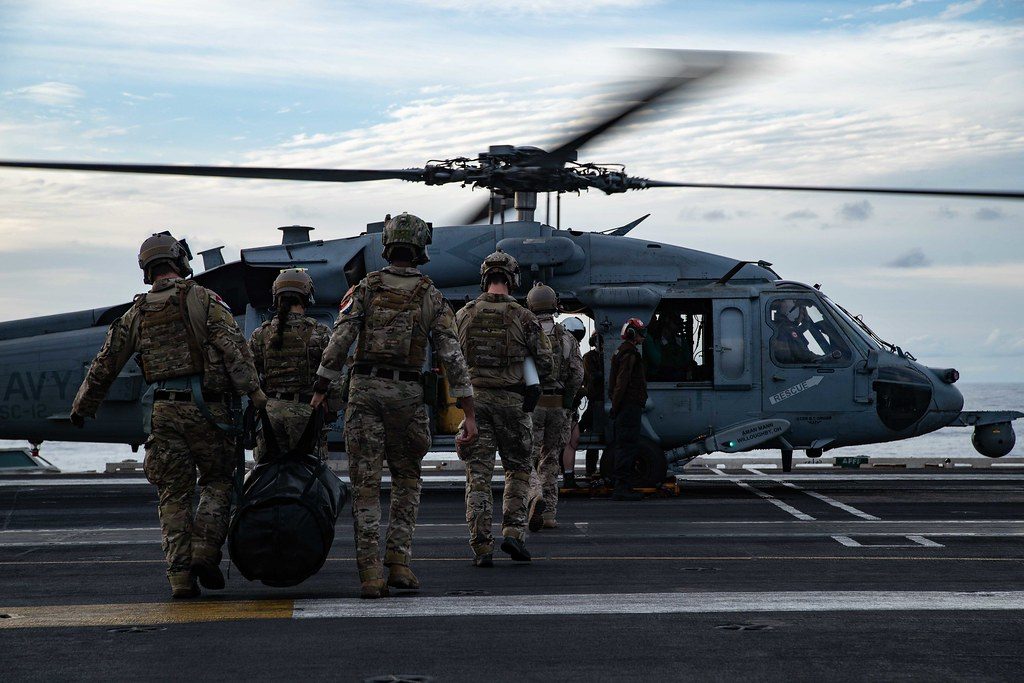
The Davina boarding is the third in the Indian Ocean since April, and officials say they will act 'wherever they operate.' If that holds, US forces report at least one more boarding or seizure of an Iran-linked tanker outside the Persian Gulf before year's end. The enforcement effectively outlives the blockade that spawned it.
2
Ceasefire memorandum collapses, Gulf blockade returns
Deadline passed (Jul 28, 2026)
Discussed by: CNBC, Al Jazeera coverage of the disputed May 29 terms
Iran and the US already disagree over what the 60-day memorandum says about the strait. If talks break down, the US could reimpose the bounded Gulf blockade it lifted on May 29. The trigger would be a public US move to restore enforcement on ships entering or leaving Iranian ports.
3
Iran retaliates against commercial shipping
Deadline passed (Aug 31, 2026)
Discussed by: Al Jazeera, analysts tracking past tit-for-tat seizures
Iran has seized or fired on ships during earlier standoffs and did so again this spring. Continued US boardings outside the Gulf give Tehran reason to respond. The trigger would be Iran seizing, detaining, or firing on a commercial vessel in or near its waters during the window.
4
Nuclear deal reached, oil interdictions wound down
Deadline passed (Aug 31, 2026)
Discussed by: PBS, Axios reporting on the 60-day nuclear track
The May 29 memorandum opened a 60-day window for talks on Iran's enriched uranium. If negotiators reach a broader agreement, the US could formally halt the tanker campaign as part of sanctions relief. The trigger would be a signed deal paired with a US statement ending interdictions of Iran-linked tankers.
5
Iran mines the Strait of Hormuz in retaliation for radar strikes
Deadline passed (Jul 28, 2026)
Discussed by: International Crisis Group Strait of Hormuz flashpoint tracker; RFERL coverage of June 6 escalation
Iran mined shipping lanes during the 1980s Tanker War and has threatened to do so in more recent standoffs. The June 6 sequence — drones launched, four shot down, two radar sites destroyed — gives Tehran a specific military grievance. If nuclear talks remain deadlocked and boardings continue, mine-laying is Tehran's fastest way to close the strait without a direct naval engagement.
6
CENTCOM confirms Apache was shot down by Iranian fire
Deadline passed (Jul 9, 2026)
Discussed by: The Week, The Aviationist, i24NEWS coverage of IRGC Navy claim
Iran's IRGC Navy claims a speedboat shot down the Apache on June 9 after it ignored warnings. CENTCOM's investigation is open. If confirmed, it would be the first US aircraft downed by Iran since the May 29 ceasefire — giving both sides reason to either escalate or accelerate deal-making.