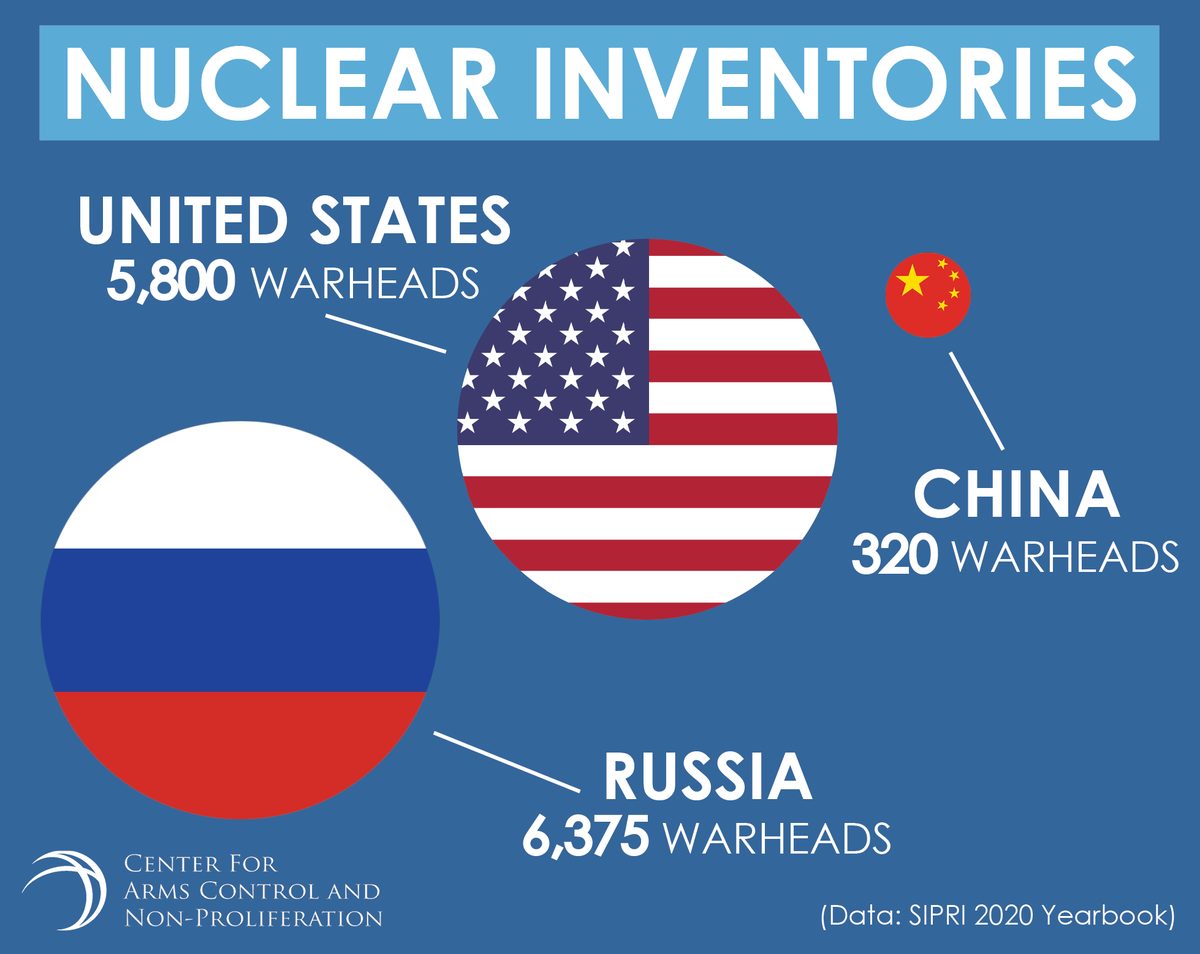
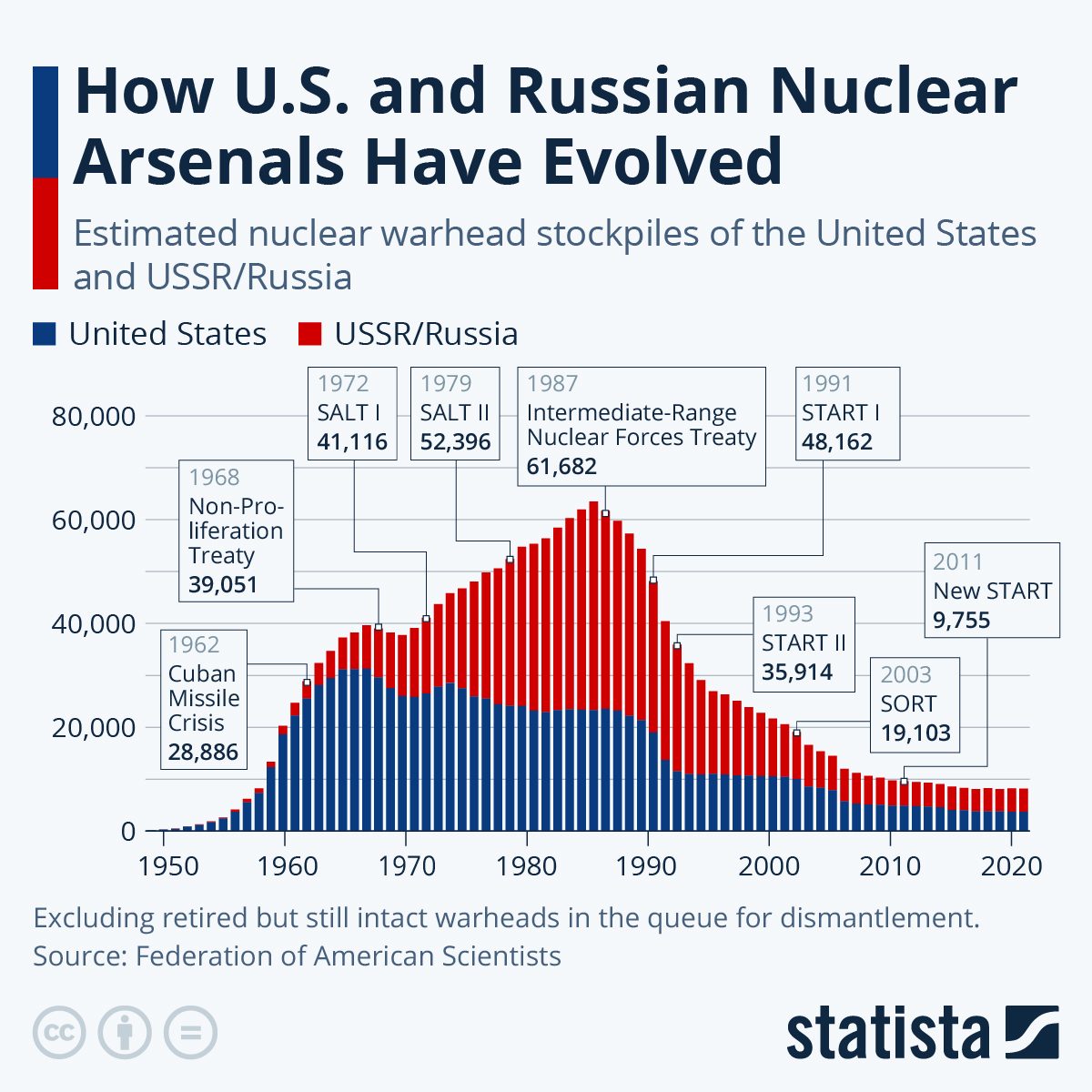
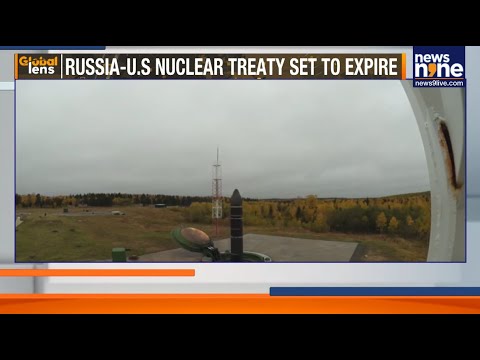
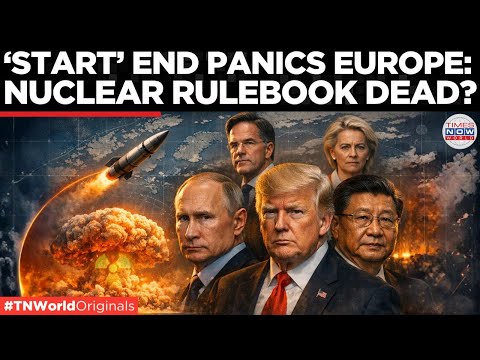
For fifty-three years, binding agreements constrained the world's two largest nuclear arsenals. That era ended on February 5, 2026, when the New START treaty expired at midnight without a successor. The United States and Russia now face no legal limits on their roughly 10,700 nuclear warheads, after President Trump rejected a Russian extension offer and directed work on a new pact including China.
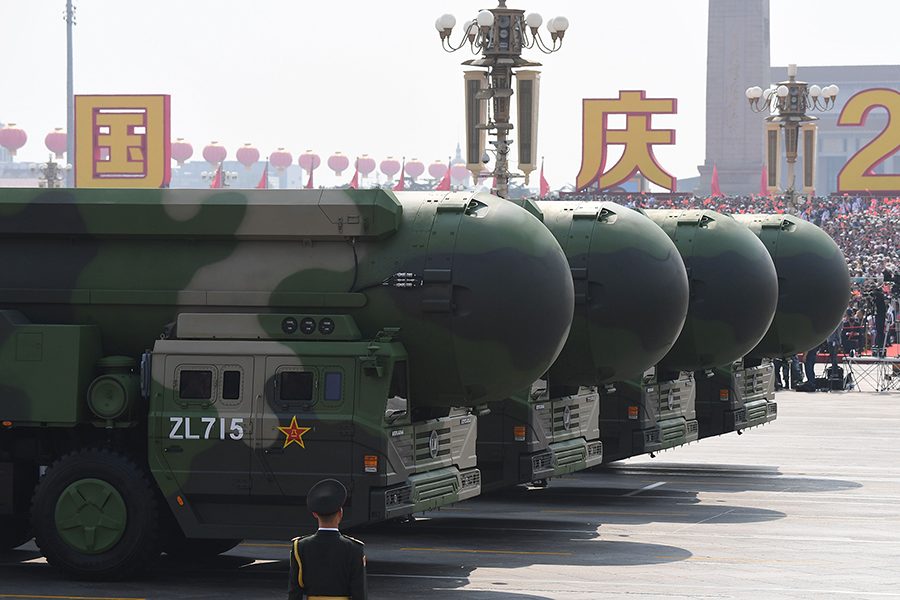
The collapse removes verification mechanisms—on-site inspections, data exchanges, and notification requirements—that provided early warning against surprise buildups and helped both sides reduce miscalculation risks. The Kremlin expressed regret over the expiration but pledged a responsible approach. Russia lowered its nuclear doctrine in November 2024, while China's arsenal grows by roughly 100 warheads annually.
Questions about this story
Free account needed to ask — your question is kept and asked for you right after sign-up. Answers are public.
No questions yet — be the first to ask.
Key Indicators
53
Years of Continuous Arms Control
Unbroken nuclear limits between the superpowers since 1972, now ended
~10,700
Combined Warheads Now Unconstrained
Total US and Russian nuclear weapons, previously capped under New START
1,550
Former Deployed Warhead Limit
Maximum deployed strategic warheads each side could maintain under New START
0
Active Verification Inspections
On-site inspections suspended since Russia withdrew participation in February 2023
14 events
Latest: February 5th, 2026 · 8 months ago
Showing 8 of 14
JK to step
Tap a bar to jump to that date
Jump to
February 2026
Trump Rejects Extension, Calls for New Pact
LatestStatement
President Trump announced he will not extend New START, calling it a 'badly negotiated deal,' and directed nuclear experts to pursue a new, improved treaty potentially including China.
Kremlin Regrets Expiration, Pledges Restraint
Statement
Kremlin spokesman Dmitry Peskov expressed regret over New START's end but affirmed Russia will act responsibly based on national interests and security analysis.
New START Expires
Treaty Expiration
New START expires at midnight, ending 53 years of binding nuclear arms limits between the superpowers. No successor agreement exists.
January 2026
Trump Dismisses Treaty Expiration
Statement
In an interview with The New York Times, Trump says of New START: 'If it expires, it expires. We'll just do a better agreement.'
September 2025
Putin Proposes One-Year Voluntary Extension
Proposal
Putin offers to maintain New START limits for one year after expiration if the US does the same and abandons space-based missile defense plans.
November 2024
Russia Lowers Nuclear Use Threshold
Doctrine Change
Putin signs revised nuclear doctrine allowing nuclear response to conventional attacks that threaten Russian or Belarusian sovereignty, including from non-nuclear states backed by nuclear powers.
June 2023
US Revokes Russian Inspector Visas
Response
The State Department cancels visas for Russian nuclear inspectors as a 'lawful countermeasure' to Moscow's treaty suspension.
February 2023
Russia Suspends New START Participation
Suspension
Putin announces Russia will suspend participation in New START, halting inspections and data exchanges, while continuing to observe warhead limits.
February 2021
New START Extended for Five Years
Treaty
Presidents Biden and Putin agree to extend New START until February 2026, preserving limits and verification measures.
August 2019
US Withdraws from INF Treaty
Treaty Collapse
The Trump administration formally withdraws from the INF Treaty, citing Russian violations. Both countries begin developing previously banned intermediate-range missiles.
April 2010
New START Treaty Signed
Treaty
President Obama and Russian President Medvedev sign New START in Prague, limiting each side to 1,550 deployed strategic warheads and 700 deployed delivery systems.
July 1991
START I Achieves Largest Arms Reductions
Treaty
The United States and Soviet Union sign the Strategic Arms Reduction Treaty, requiring the largest arms control reductions in history—limiting each side to 6,000 warheads.
December 1987
INF Treaty Eliminates Intermediate-Range Missiles
Treaty
Reagan and Gorbachev sign the Intermediate-Range Nuclear Forces Treaty, eliminating an entire class of ground-launched missiles with ranges between 500 and 5,500 kilometers.
May 1972
SALT I Treaty Signed
Treaty
President Nixon and Soviet leader Brezhnev sign the first Strategic Arms Limitation Treaty in Moscow, establishing the framework for superpower nuclear constraints.
Scenarios
1
New Framework Reached Within Two Years
Unlikely
Discussed by: Arms Control Association, Council on Foreign Relations analysts, former State Department negotiators
Both sides agree to a new bilateral or trilateral (including China) arms control framework that reinstates verification measures and caps. This would require China to accept constraints on its growing arsenal—something Beijing has consistently refused—and Washington to address Moscow's concerns about missile defense. Analysts note that even during the Cold War's worst periods, arms control negotiations continued; the infrastructure for talks exists if political will emerges.
Both Russia and the US voluntarily maintain approximate parity near current levels without formal agreement. Both sides have signaled they see limited value in expensive buildups. This scenario preserves stability but eliminates transparency—neither side would have verification of the other's actual deployments, increasing the risk of miscalculation during crises.
3
Gradual Buildup and Modernization Race
Likely
Discussed by: Federation for American Security, Heritage Foundation, Congressional defense hawks
Without constraints, both nations expand deployments while accelerating modernization programs already underway. The US completes its $946 billion nuclear modernization; Russia deploys new hypersonic and underwater delivery systems. China reaches parity with deployed US and Russian warheads by the early 2030s. The trilateral dynamic creates new escalation risks not seen during the bilateral Cold War.
4
Crisis Triggers Emergency Talks
Uncertain
Discussed by: Bulletin of the Atomic Scientists, former national security officials, European security analysts
A near-miss incident or regional conflict escalation—potentially involving Ukraine, Taiwan, or a misinterpreted military exercise—forces rapid diplomatic engagement. Historical precedent exists: the Cuban Missile Crisis produced the Limited Test Ban Treaty and the Washington-Moscow hotline within months. Crisis-driven negotiations could yield interim measures faster than peacetime diplomacy.
Historical Context
3 moments from history that rhyme with this story — and how they unfolded.
1 of 3
October 1962
Cuban Missile Crisis (1962)
The Soviet Union deployed nuclear missiles to Cuba, 90 miles from Florida. For 13 days, President Kennedy and Premier Khrushchev confronted the closest approach to nuclear war in history. Kennedy established a naval quarantine; Khrushchev agreed to withdraw the missiles in exchange for US pledges not to invade Cuba and secret removal of US missiles from Turkey.
Then
The crisis ended with Soviet missiles removed and a direct communication 'hotline' established between Washington and Moscow.
Now
Both superpowers, sobered by near-catastrophe, signed the Limited Test Ban Treaty in 1963 and accelerated arms control efforts that produced SALT I in 1972.
Why this matters now
The crisis demonstrates that existential nuclear danger can catalyze rapid arms control progress. Today's treaty collapse occurred during elevated nuclear risks; a future crisis could similarly force negotiations that seem impossible in peacetime.
2 of 3
May 1972
SALT I Breakthrough (1972)
After two and a half years of negotiations during the Vietnam War and broader superpower tensions, Nixon and Brezhnev signed the first Strategic Arms Limitation Treaty in Moscow. The agreement froze intercontinental and submarine-launched ballistic missile numbers and limited anti-ballistic missile sites to two per country.
Then
SALT I established the framework for superpower arms control and launched a period of détente.
Now
The treaty architecture—verification, data exchange, bilateral commissions—became the template for every subsequent agreement through New START.
Why this matters now
SALT I was negotiated during extreme US-Soviet tensions, proving that arms control is possible even between adversaries. The 53-year framework it established has now ended; rebuilding equivalent institutions will require similar sustained diplomatic effort.
3 of 3
February-August 2019
INF Treaty Collapse (2019)
The Trump administration withdrew from the 1987 Intermediate-Range Nuclear Forces Treaty, citing Russian deployment of the SSC-8 cruise missile in violation of the treaty. Russia denied violations and announced reciprocal suspension. Within months, both sides tested previously banned intermediate-range systems.
Then
Both nations resumed development and testing of ground-launched intermediate-range missiles.
Now
The collapse left New START as the sole remaining arms control agreement. European allies expressed alarm at the loss of constraints that had protected them since the Cold War.
Why this matters now
The INF collapse previewed the current moment: accusations of violations, withdrawal, and rapid development of unconstrained weapons. New START's expiration follows the same pattern, suggesting that rebuilding arms control requires addressing underlying distrust, not just drafting new treaty text.