
Atoms for Peace (1953)
President Dwight Eisenhower addressed the United Nations General Assembly with a proposal to share nuclear technology for peaceful purposes. The speech launched a massive program of bilateral cooperation agreements, leading to the creation of the International Atomic Energy Agency in 1957 and the spread of civilian nuclear technology to dozens of countries.
The U.S. signed cooperation agreements with allies worldwide and began exporting reactors and nuclear expertise.
Established the framework for U.S. civil nuclear diplomacy that persists today, including Section 123 agreements governing nuclear exports.
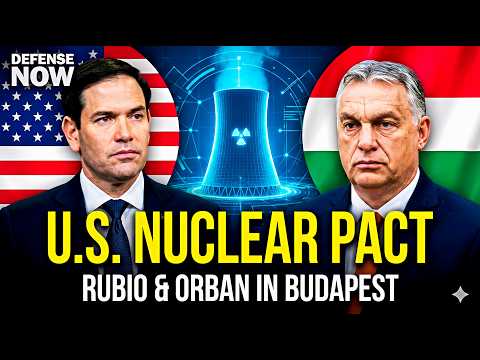
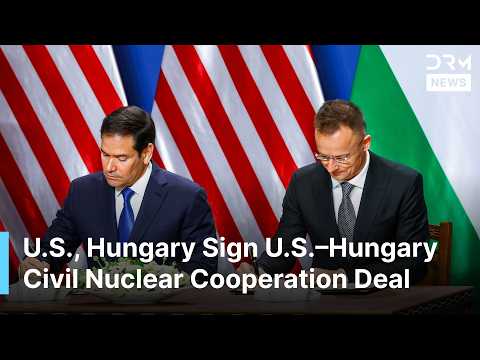
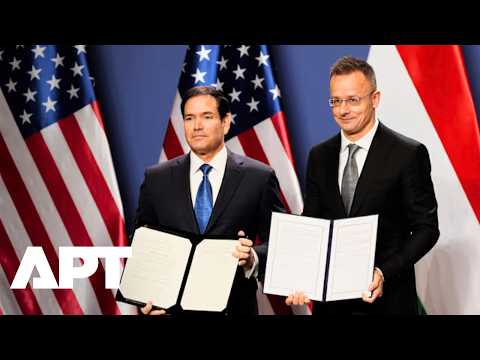
The Hungary agreement represents a return to Atoms for Peace-era ambitions: using civil nuclear cooperation to strengthen alliances and counter rival powers. The State Department has explicitly cited Eisenhower's program as precedent for current efforts in Poland, Romania, and now Hungary.