
Pull to refresh
Logo
Daily Brief
Following
Why Ranks Sign Up
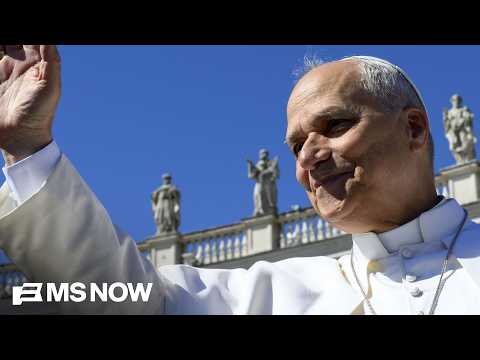
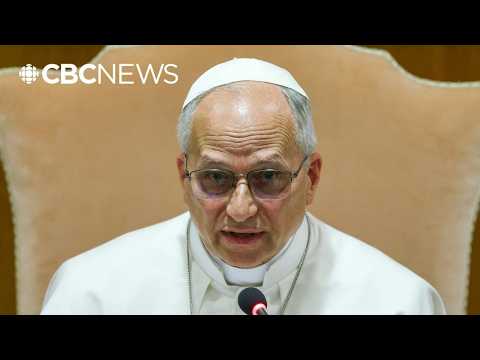
Pope Leo XIV calls for binding AI regulation in first encyclical

Pope Leo XIV calls for binding AI regulation in first encyclical

Rule Changes

Vatican pairs with Anthropic to push global rules on artificial intelligence

Today: Encyclical released at the Vatican

Overview

Pope Leo XIV signed his first encyclical on May 15, 2026, exactly 135 years to the day after Pope Leo XIII published Rerum Novarum on the industrial revolution. The new document, Magnifica Humanitas, frames artificial intelligence as the next industrial revolution and demands binding external regulation of the companies building it.

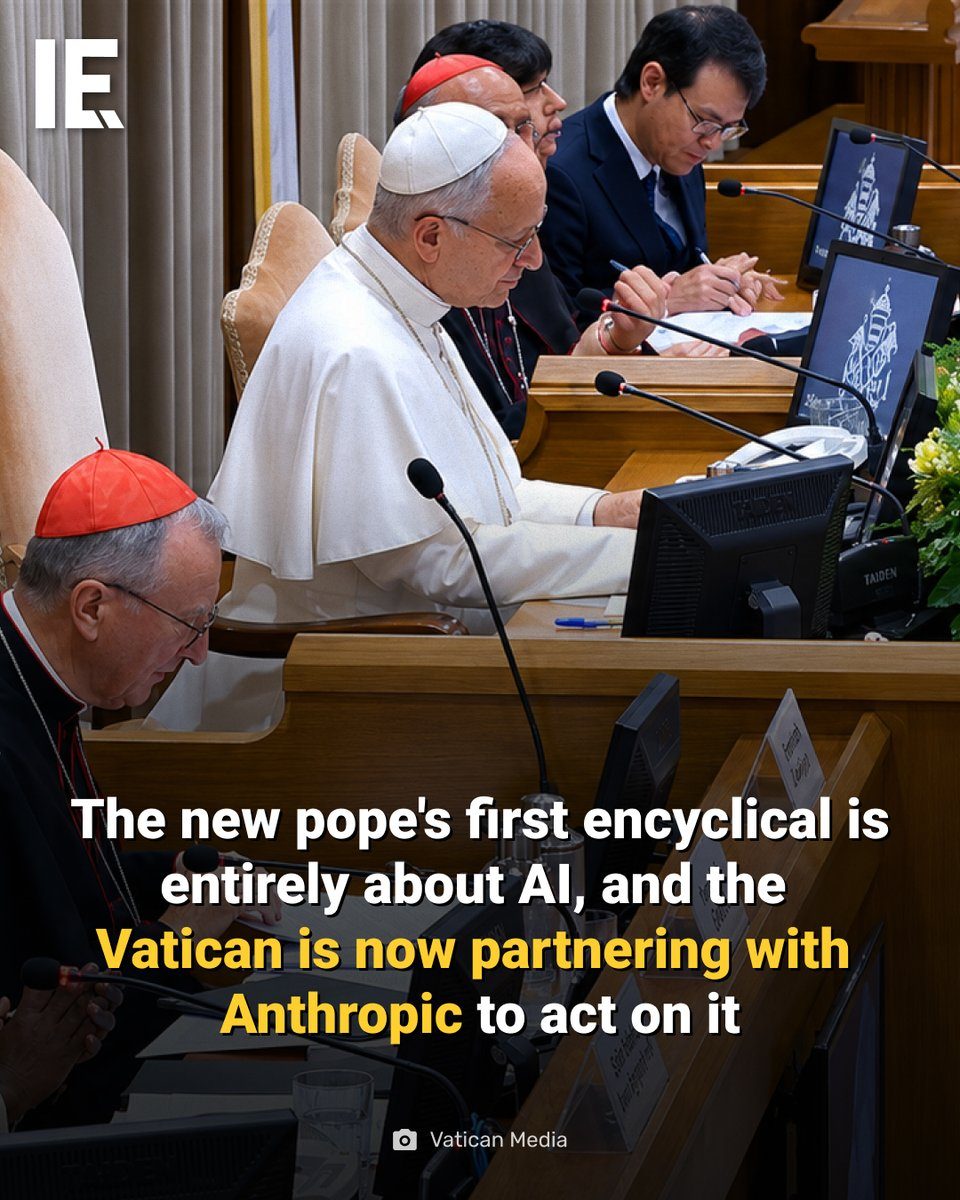
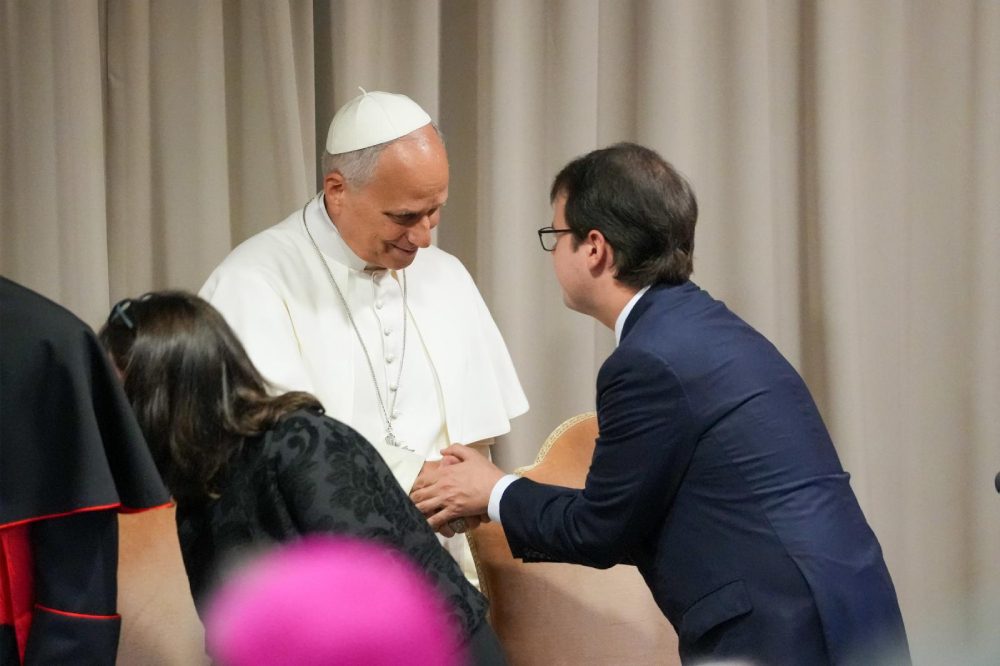
Leo presented the 83-page text at the Vatican on May 25 alongside Anthropic co-founder Christopher Olah. The Catholic Church is now publicly aligned with one major AI lab and openly critical of governments, including the Trump administration, that have declined to impose binding rules.

Why it matters

The Catholic Church just placed its 1.4 billion-member moral authority behind binding AI rules, including a ban on machines making lethal decisions.

Key Indicators

83
Pages in encyclical
Length of Magnifica Humanitas, Leo XIV's first encyclical.
135 yrs
Since Rerum Novarum
Years between Leo XIII's industrial-era encyclical and Leo XIV's AI text.
1.4B
Catholics worldwide
Size of the audience the encyclical formally addresses.
1st
American pope
Leo XIV, born Robert Prevost in Chicago, is the first U.S.-born pontiff.

Voices

Curated perspectives — historical figures and your fellow readers.

Ever wondered what historical figures would say about today's headlines?

Sign up to generate historical perspectives on this story.

Play

Exploring all sides of a story is often best achieved with Play.

Log in to play. Track your picks, climb the leaderboards. Log in Sign Up
Predict 4 ways this could play out. Contrarian picks score more — points lock when the scenario resolves. Log in to play
Higher or Lower Two numbers from this story. Guess which is bigger. 5 rounds to set a streak. Log in to play
Timeline Five events from this story — drag them oldest to newest. Log in to play
Connections Sixteen names from the news. Find the four hidden groups of four. Log in to play

People Involved

Organizations Involved

Timeline

May 1891 May 2026

5 events Latest: Today
Tap a bar to jump to that date
  1. Encyclical released at the Vatican

    Today Public release

    Leo presents the document at Synod Hall with Anthropic co-founder Chris Olah. Calls for binding regulation and a ban on AI making lethal decisions.

  2. Pope signs Magnifica Humanitas

    Document signing

    Leo signs his first encyclical on the 135th anniversary of Rerum Novarum, deliberately tying AI to the industrial revolution.

  3. Trump administration bars federal agencies from using Anthropic

    Government action

    Order follows Anthropic's refusal to give the U.S. military unrestricted access to its models. Sets stage for the company's later alliance with the Vatican.

  4. Robert Prevost elected Pope Leo XIV

    Election

    Chicago-born cardinal becomes the first American pope. In early remarks, he signals AI will be a defining theme of his papacy.

  5. Pope Leo XIII publishes Rerum Novarum

    Historical precedent

    Leo XIII issues the encyclical that defined Catholic teaching on workers, capital, and the industrial revolution.

Historical Context

3 moments from history that rhyme with this story — and how they unfolded.

May 1891

Rerum Novarum (1891)

Pope Leo XIII published Rerum Novarum, addressing the industrial revolution. He defended workers' right to fair wages, condemned both unrestrained capitalism and revolutionary socialism, and argued that the state has a duty to regulate employers in the common interest.

Then

The text became the foundation of modern Catholic social teaching. It legitimized Catholic labor unions across Europe and Latin America.

Now

Its framework shaped welfare-state debates for more than a century and is still cited by Catholic legislators when arguing for labor protection.

Why this matters now

Leo XIV signed Magnifica Humanitas on Rerum Novarum's 135th anniversary and took his papal name from its author. The deliberate parallel frames AI as a comparable break in how humans organize work and power.

April 1963

Pacem in Terris (1963)

Pope John XXIII issued Pacem in Terris six months after the Cuban Missile Crisis. The encyclical called for nuclear disarmament, addressed itself to all people of goodwill rather than just Catholics, and argued that the arms race was incompatible with human dignity.

Then

The text was read into the U.S. Congressional Record and praised by President Kennedy. It influenced the 1963 Limited Test Ban Treaty signed three months later.

Now

It set a model for papal intervention in global security policy and laid groundwork for later Vatican advocacy on nuclear non-proliferation.

Why this matters now

Leo XIV's call to 'disarm' AI directly echoes Pacem in Terris. Both encyclicals address a new class of technology whose worst use is the automated taking of human life.

May 2015

Laudato Si' (2015)

Pope Francis issued Laudato Si' on the environment and climate change. The encyclical linked ecological destruction to economic structures that concentrate wealth and power, and called for binding international action.

Then

It was credited with shifting climate diplomacy ahead of the Paris Agreement adopted in December 2015.

Now

Catholic dioceses and investors used it to justify fossil-fuel divestment. National climate laws in Catholic-majority countries have cited it in preambles.

Why this matters now

Laudato Si' is the closest recent template for what Magnifica Humanitas could become: a moral document that helps tip a regulatory debate already in motion.

Sources

(8)