
Pull to refresh
Logo
ABB extends propulsion contract to a third Washington State Ferries hybrid-electric vessel

ABB extends propulsion contract to a third Washington State Ferries hybrid-electric vessel

Built World

Three new 160-car ferries are under construction in Florida as the largest US ferry system replaces an aging fleet

Overview

Updated 55 minutes ago

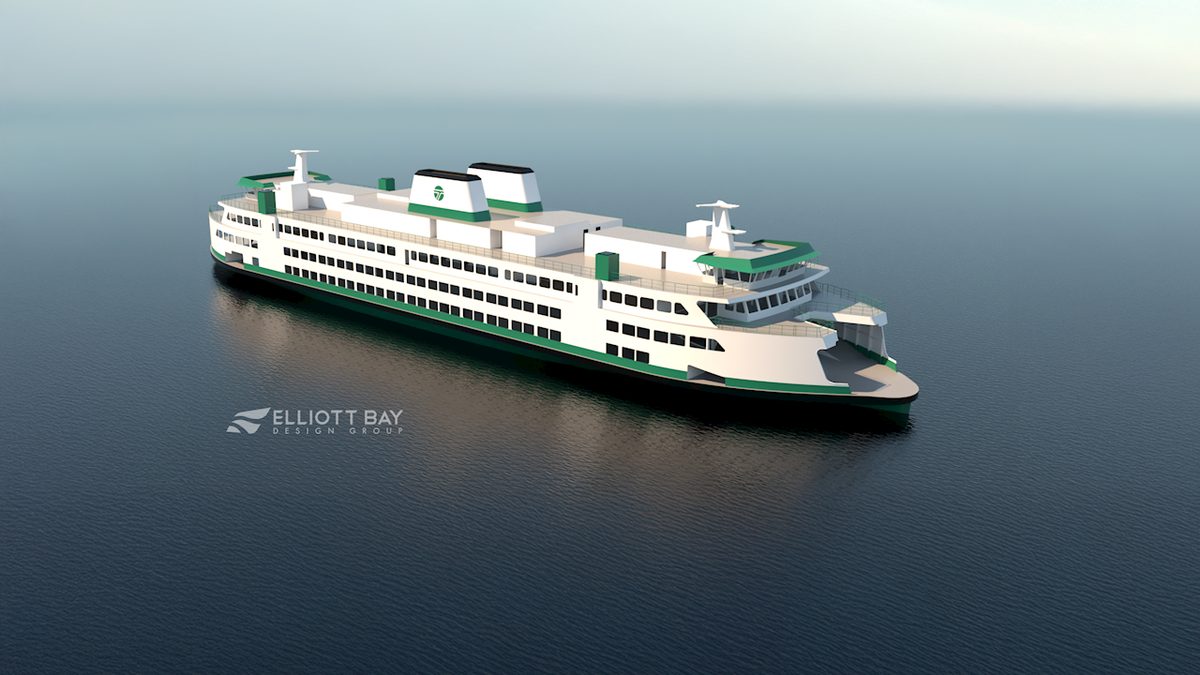
Washington State Ferries gave ABB the go-ahead on 29 October 2026 to build the power and propulsion system for the third of its new hybrid-electric ferries. That takes ABB's role in the program from two vessels to three. The ship is one of three 160-car ferries under construction at Eastern Shipbuilding Group in Panama City, Florida, under a $714.5 million shipbuilding contract.

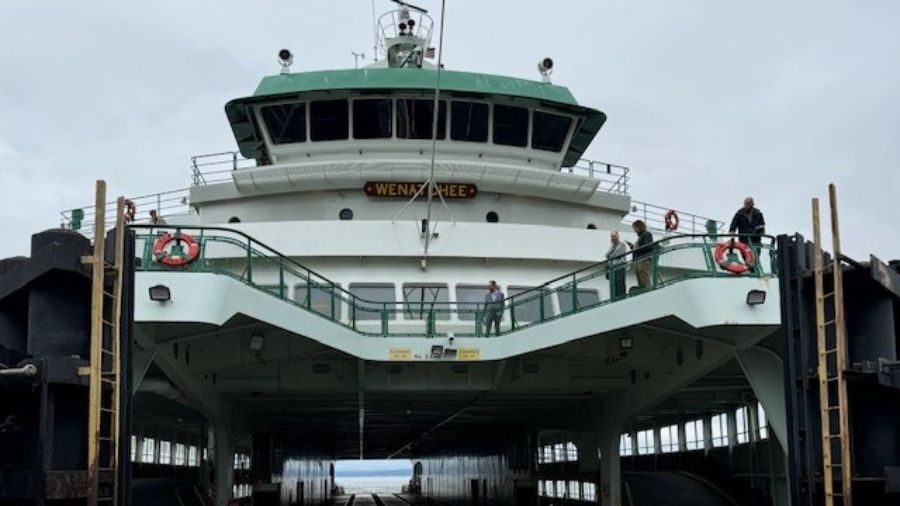
The vessels are the first new ferries ordered for Washington in more than a decade. Each carries a 13.2-megawatt-hour battery bank plus diesel generators, so it can cross short routes and maneuver in port on electricity alone, then fall back on fuel when shore charging is unavailable. Delivery is scheduled for 2030, 2031 and 2032.

Why it matters

Washington burns about 19 million gallons of diesel a year on its ferries. Three hybrid vessels are the template for a planned fleet of 16.

Questions about this story

Free account needed to ask — your question is kept and asked for you right after sign-up. Answers are public.

No questions yet — be the first to ask.

Key Indicators

3
Vessels in ABB's scope
Up from two after the October 2026 Notice to Proceed.
13.2 MWh
Battery capacity per vessel
Energy storage sized for all-electric operation on short routes and in port.
$714.5M
Shipbuilding contract, three ferries
Awarded to Eastern Shipbuilding Group in July 2025.
$1.15B
Total cost of the three vessels
Includes owner-furnished equipment, construction management, crew training and contingencies.
19M gal
Diesel burned annually by WSF
Fuel consumption across the current fleet, per the state's electrification program.
16
Hybrid-electric ferries planned by 2040
Target fleet size under the state's $6 billion electrification program.
76%
Target CO2 reduction by 2040
Program also targets 94% cuts in nitrogen oxides and 90% in particulate matter.

Voices

Curated perspectives — historical figures and your fellow readers.

Sign up to generate historical perspectives on this story.

People Involved

Organizations Involved

Timeline

2024 October 2026

6 events Latest: Today
Tap a bar to jump to that date
  1. ABB cleared to power the third ferry

    Today Contract

    WSF issues a Notice to Proceed covering an integrated power and propulsion system with a 13.2-megawatt-hour battery.

  2. Steel cut on first ferry; third vessel option exercised

    Construction

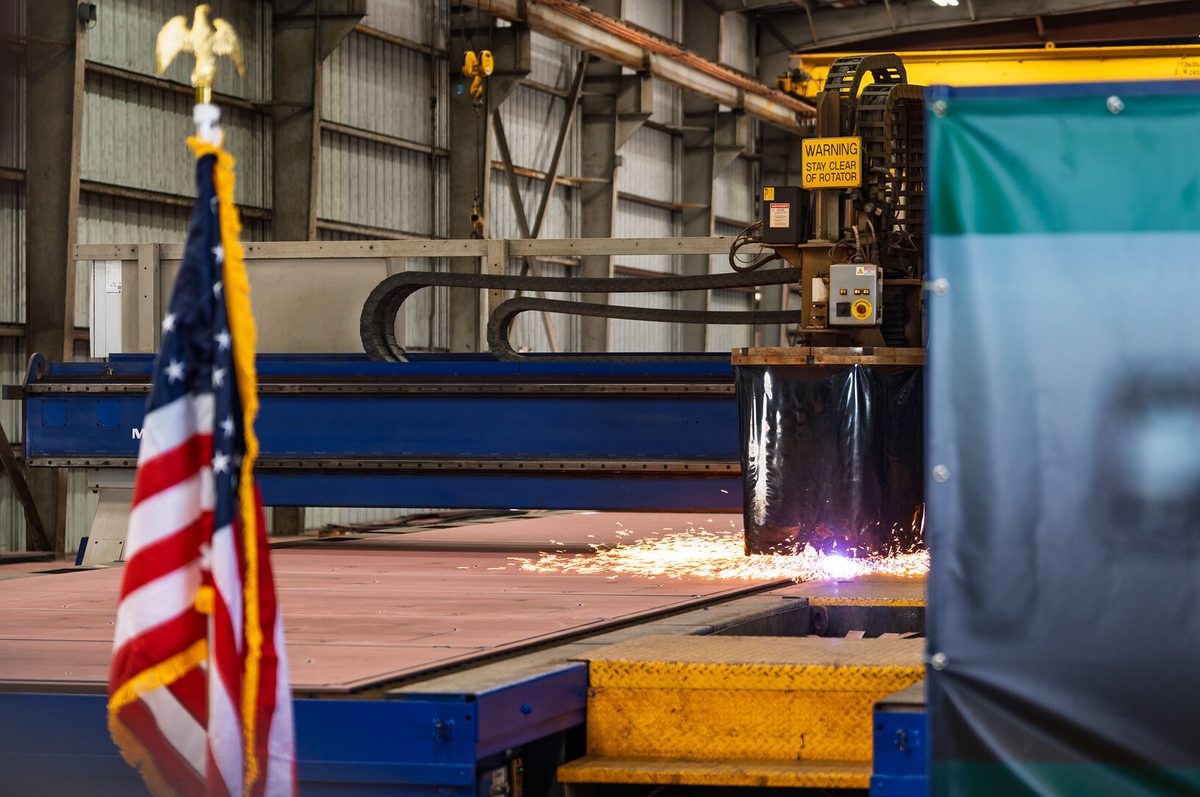
    Governor Bob Ferguson marks the start of construction in Panama City and confirms the state will build a third ferry.

  3. Terminal charging supplier chosen

    Procurement

    WSF selects Stemman-Technik of Germany to supply a standard charging system so ferries can use any electrified terminal.

  4. Shipbuilding contract finalized

    Contract

    WSF completes the agreement with Eastern Shipbuilding so work can begin on three 160-car hybrid-electric ferries.

  5. Eastern Shipbuilding wins the ferry contract

    Procurement

    Washington picks the Florida yard over an in-state bidder. The governor's office later says the losing bid was more than 30% higher.

  6. ABB named propulsion single-source vendor

    Contract

    ABB is selected to supply propulsion for the Washington newbuild program, with the contract later amended for two confirmed ships plus one option.

Scenarios

1

First hybrid-electric ferry carries passengers in 2030

Possible Resolves by End of 2030

Discussed by: Washington State Ferries and the governor's office, both of which cite 2030 as the target

Eastern Shipbuilding delivers the first 160-car ferry, WSF completes crew training and at least one terminal has working shore charging. WSF is offering the yard incentives to finish early. The state has said the first boat could be in service as early as 2030.

2

First ferry delivery slips past 2031

Possible Resolves by End of 2031

Discussed by: Shipbuilding industry coverage and the state's own contingency budgeting

Shipyard delays, supply-chain problems with the battery or propulsion package, or incomplete terminal charging push the first delivery back. The state's contract includes risk contingencies, which gives it room to absorb overruns without a new appropriation.

3

Washington orders a fourth hybrid-electric ferry

Uncertain Resolves by End of 2028

Discussed by: Governor Ferguson, who said contract savings would be directed toward a fourth vessel

The three-ferry package came in below the $1.3 billion the Legislature appropriated. If the remaining money holds through design and construction, the state could exercise or negotiate a further option, moving toward its stated goal of 16 hybrid-electric ferries by 2040.

Historical Context

2 moments from history that rhyme with this story — and how they unfolded.

2015-2026

Norway's electric ferry build-out (2015 onward)

Norwegian operators put the first all-electric car ferries into regular service on short fjord crossings in 2015, using batteries charged at the dock. Public procurement rules on ferry routes drove the shift, and the country now runs the largest concentration of battery-powered ferries in the world.

Then

Short crossings proved the case for all-electric operation where charging time fits the schedule.

Now

More than 70 comparable vessels are in service in northern Europe, according to Washington's transportation department, and the technology became a standard option for ferry procurement.

Why this matters now

Washington's ferries are modeled on this pattern: batteries for short routes and port maneuvers, diesel generators as backup until every terminal has charging.

2022-2026

WSF Jumbo Mark II conversion program (2022-2026)

Washington planned to convert three of its largest ferries, the Jumbo Mark II class, to hybrid-electric power rather than build new. The 2026 supplemental transportation budget, adopted in March 2026, reallocated money set aside for two of those conversions.

Then

One conversion moved forward; funding for two others was redirected as the state shifted emphasis to new vessels.

Now

The reallocation made new construction the center of the electrification program, which is why the ABB and Eastern contracts carry the weight of the plan.

Why this matters now

It explains why three newbuilds matter more than they otherwise would: the cheaper retrofit path lost funding.

Sources

(6)