

Pull to refresh
Logo
Largest trial of robotic knee replacement finds no patient benefit at one year

Largest trial of robotic knee replacement finds no patient benefit at one year

New Capabilities

The RACER-Knee study of 339 patients found the Stryker Mako arm improved surgical precision but not pain, mobility or recovery

Overview

Updated 26 minutes ago

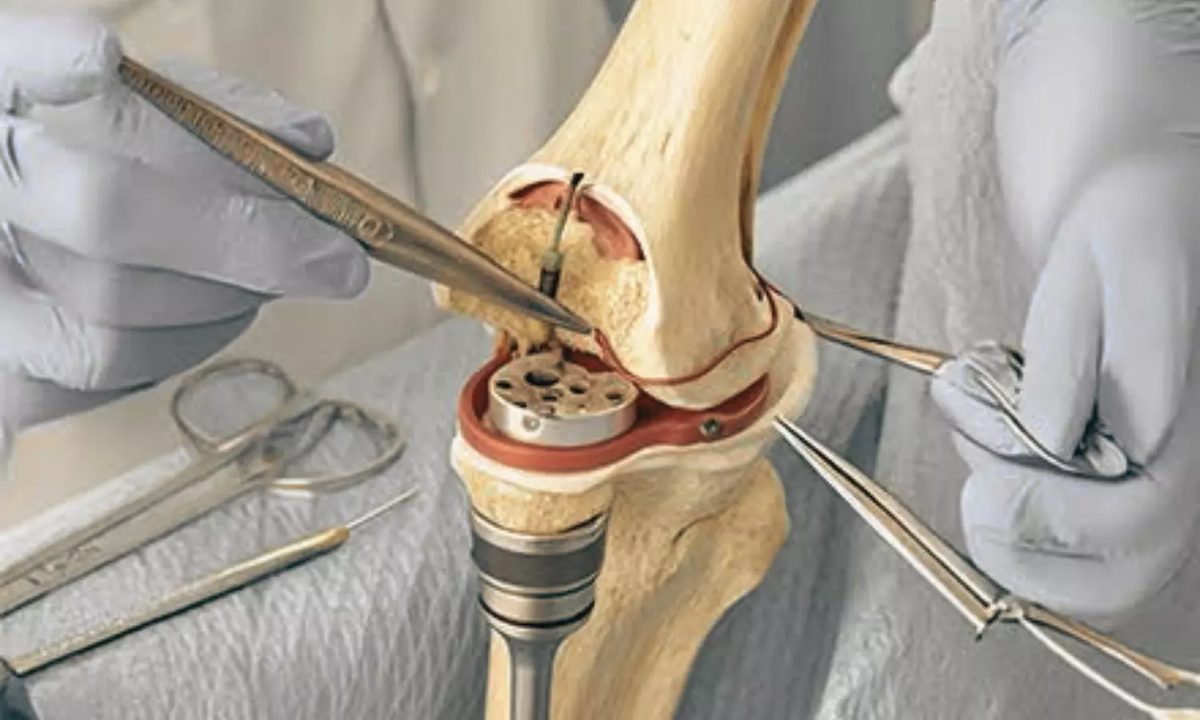
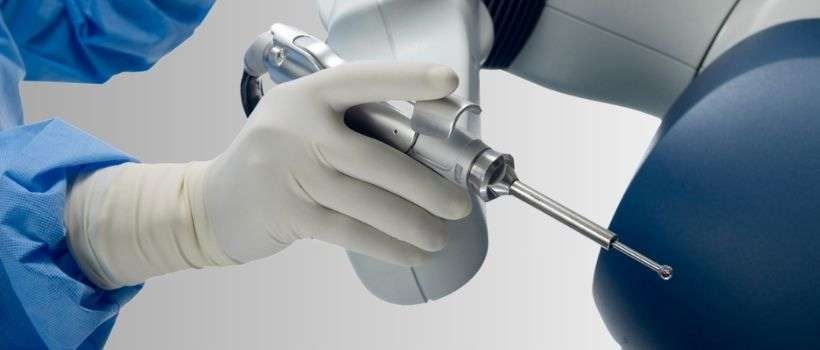
A robotic arm lets a surgeon cut knee bones more precisely than a hand-held saw. A 339-patient trial across 10 British hospitals found that precision did not make the new knee feel any more natural in the first year.

The RACER-Knee results, published in The Lancet, are the largest double-blinded test of the technology. They land while robot-assisted knee replacement is spreading: 6% of procedures in the UK, 16% in the US and 42% in Australia.

Why it matters

Robotic knee surgery costs about £950 more and takes 10 minutes longer; the trial found patients could not tell the difference at one year.

Questions about this story

Free account needed to ask — your question is kept and asked for you right after sign-up. Answers are public.

No questions yet — be the first to ask.

Key Indicators

339
Patients in the trial
Randomised across 10 UK hospitals and 33 surgeons.
42%
Australian knee replacements using a robot
The highest adoption rate cited in the trial report.
16%
US knee replacements using a robot
Roughly one in six procedures.
6%
UK knee replacements using a robot
The lowest of the three adoption rates given.
£950
Extra cost per robotic procedure
Judged not cost-effective against NHS thresholds in year one.
10.5 min
Extra operating time per procedure
Average additional theatre time when the robot was used.

Voices

Curated perspectives — historical figures and your fellow readers.

Sign up to generate historical perspectives on this story.

Organizations Involved

Timeline

2026 November 2026

3 events Latest: Yesterday
  1. Warwick announces RACER-Knee results

    Latest Research

    Trial of 339 patients reports robot-assisted and conventional knee replacement produced similar pain, mobility and recovery at one year.

  2. Bone & Joint Journal carries trial commentary

    Publication

    An editorial on the RACER-Knee trial appears in the journal's November issue.

  3. Sibling trial finds alignment target makes no difference

    Research

    The RASKAL trial randomised 303 patients to two alignment strategies and found a 0.3-point difference in knee scores.

Scenarios

1

NHS commissioners leave robotic knee surgery unfunded nationally

Likely Resolves by Nov 30, 2027

Discussed by: University of Warwick trial authors, who concluded the technology was not cost-effective against NHS thresholds in year one

The trial put the robot premium at about £950 per knee and found no measurable patient gain in 12 months. If NICE and NHS England accept that reading, robot-assisted knee replacement stays a local budget choice rather than a nationally commissioned service, and hospitals that want the machine keep paying for it from their own funds.

2

Robotic share of UK knee replacements keeps climbing anyway

Likely Resolves by Q2 2028

Discussed by: Orthopaedic commentators reviewing the trial, including the Bone & Joint Journal editorial

Adoption has run ahead of evidence in surgery before. The trial's own figures put robot use at 6% in the UK against 42% in Australia, and hospitals compete for patients partly on technology. If the share rises in the next National Joint Registry report, the study will have changed the evidence base without changing practice.

3

A later trial finds a patient group that does benefit

Uncertain Resolves by End of 2030

Discussed by: RACER-Knee authors, who argue robotic precision could pay off once surgeons use it to match individual anatomy

The investigators say the extra accuracy could matter if surgeons learn to tailor implant placement to each patient's joint shape. Testing that means a new trial that selects patients by anatomy and measures whether the tailored fit changes how the knee feels. Until one reports, the benefit stays a hypothesis.

Historical Context

2 moments from history that rhyme with this story — and how they unfolded.

2000–2015

da Vinci surgical robot spreads through operating theatres (2000–2010s)

US regulators cleared Intuitive Surgical's da Vinci system in 2000. Hospitals bought the machines and marketed robot-assisted prostate removal to patients, while randomised trials comparing it with standard keyhole surgery took years to report.

Then

Robot-assisted prostatectomy became the most common form of the operation in the United States before the trial evidence was complete.

Now

Later randomised evidence found broadly similar cancer and functional outcomes to standard keyhole surgery at higher cost. Adoption stayed high, because hospitals competed on technology and patients asked for it.

Why this matters now

Knee replacement is running the same sequence: the machines arrive first and the blinded evidence arrives years later.

2000–2012

Metal-on-metal hip implants withdrawn (2000s–2010)

Metal-on-metal hip resurfacing and replacement spread through the 2000s on claims they suited younger, more active patients. Regulators then linked some designs to soft-tissue reactions and high revision rates, and the ASR hip was withdrawn in 2010.

Then

Tens of thousands of patients needed blood tests and monitoring, and some required a second operation to replace the implant.

Now

The episode pushed regulators toward longer follow-up requirements and made national joint registries the main early-warning system for implants.

Why this matters now

RACER-Knee's ten-year follow-up serves the same function: catching revision problems that a one-year patient survey cannot see.

Sources

(8)