




Pull to refresh
Logo
Aroa Biosurgery trial shows Symphony heals diabetic foot ulcers faster

Aroa Biosurgery trial shows Symphony heals diabetic foot ulcers faster

New Capabilities

Randomized controlled trial finds 55% closure rate at 12 weeks, 7.8 days faster healing

Yesterday: RCT results published

Overview

Updated 1 hour ago

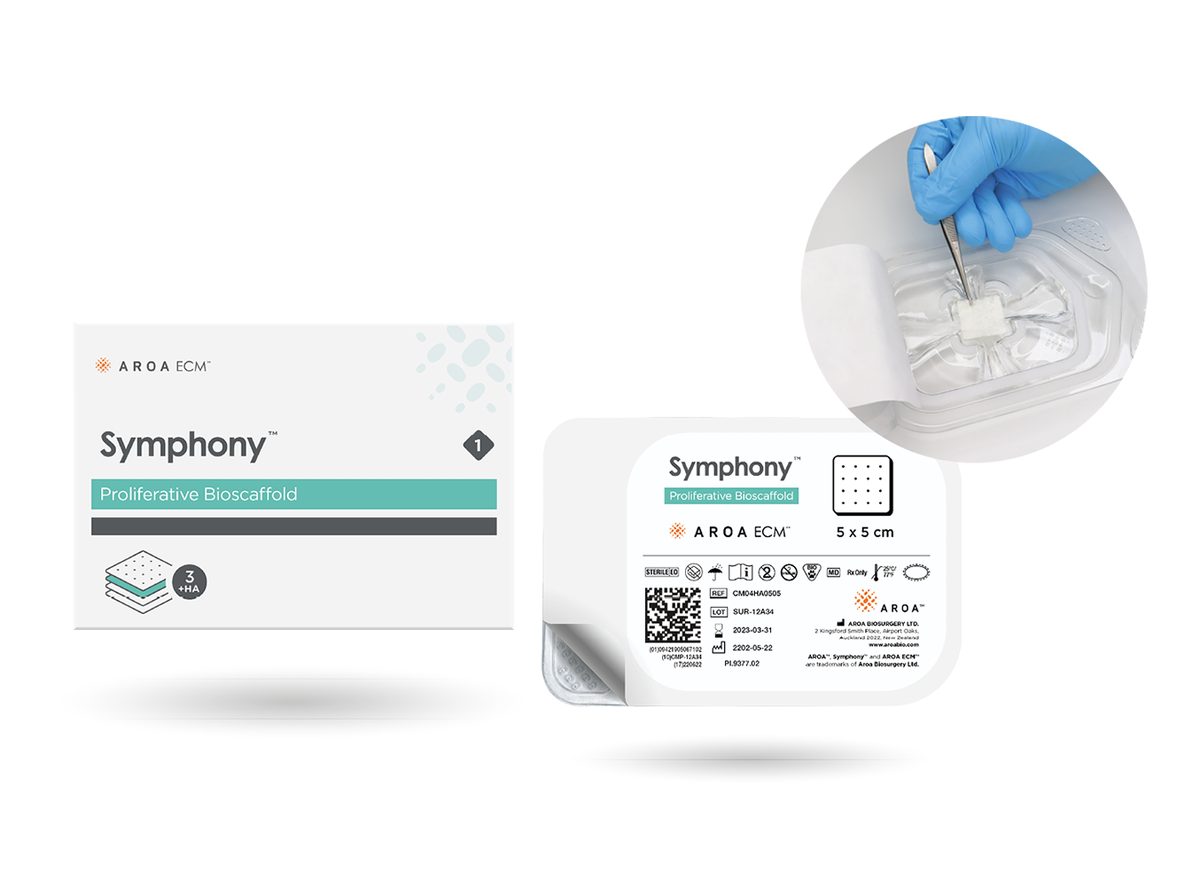
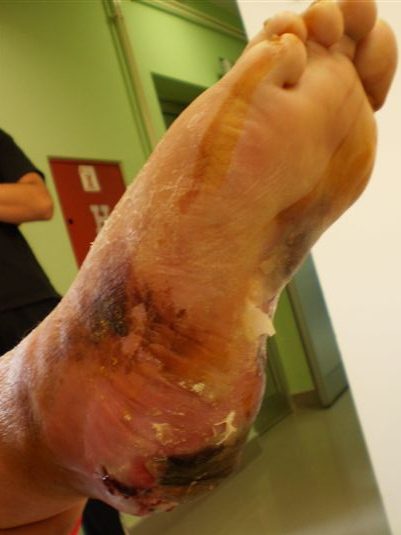
Aroa Biosurgery published results from a randomized controlled trial showing its Symphony wound dressing heals diabetic foot ulcers faster than standard care. The study, in the International Wound Journal, found 55% of ulcers closed within 12 weeks with Symphony, versus 35% with standard care alone.

The timing matters. Medicare reclassified most advanced wound products on January 1, 2026, and now demands controlled clinical evidence before covering them. Symphony's trial gives Aroa the Level I data that payers and hospital formulary committees increasingly require — a potential edge over rivals that lack randomized trial support.

Why it matters

With Medicare tightening reimbursement for wound products, this trial data could decide whether Symphony gets covered and sold in the US.

Questions about this story

Free account needed to ask — your question is kept and asked for you right after sign-up. Answers are public.

No questions yet — be the first to ask.

Key Indicators

55%
12-week closure rate with Symphony
55% of diabetic foot ulcers closed within 12 weeks with Symphony plus standard care, versus 35% with standard care alone (p=0.039).
7.8 days
Faster mean healing time
Mean time to closure was 65.4 days with Symphony versus 73.2 days with standard care (p=0.041).
143
Patients enrolled
Prospective multicenter trial across 10 US sites treating Wagner Grade 1 or 2 diabetic foot ulcers.

Voices

Curated perspectives — historical figures and your fellow readers.

Ever wondered what historical figures would say about today's headlines?

Sign up to generate historical perspectives on this story.

Organizations Involved

Timeline

June 2020 October 2026

5 events Latest: Yesterday
Tap a bar to jump to that date
  1. RCT results published

    Latest Publication

    Results published in International Wound Journal show 55% closure rate at 12 weeks.

  2. Medicare reclassifies wound products

    Regulatory

    Medicare reclassifies most advanced wound products, tightening reimbursement criteria.

  3. Trial completes

    Trial

    Trial completes with 143 patients treated for up to 12 weeks.

  4. Randomized controlled trial begins

    Trial

    Prospective multicenter RCT of Symphony begins across 10 US sites.

  5. Symphony receives FDA clearance

    Regulatory

    Symphony receives FDA 510(k) clearance for wound treatment.

Scenarios

1

Symphony sales climb as RCT data wins formulary placements

Likely Resolves by Q2 2027

Discussed by: Bell Potter analyst, Clinical Trial Vanguard

Aroa's sales teams use the published RCT to win hospital formulary placements and payer coverage. Medicare's 2026 reclassification rewards controlled evidence, and Symphony now has it. Quarterly revenue reports show Symphony sales growing.

2

Rivals publish RCT data, eroding Symphony's edge

Possible Resolves by End of 2027

Discussed by: Industry analysts

Competing CAMP manufacturers respond with their own randomized trials, narrowing Symphony's differentiation. The market becomes crowded with Level I evidence, and pricing pressure returns.

3

Evidence fails to convert; Symphony sales stay flat

Unlikely Resolves by End of 2027

Discussed by: Kalkine, market observers

The RCT data is necessary but not sufficient. Hospital formularies move slowly, and Medicare's new payment framework still limits adoption. Symphony sales remain flat despite the evidence.

Historical Context

2 moments from history that rhyme with this story — and how they unfolded.

May 2012

TAVR coverage decision (2012)

CMS issued a national coverage determination for transcatheter aortic valve replacement (TAVR), covering the procedure for patients too frail for open surgery. The decision rested on data from the PARTNER trial, a randomized controlled study.

Then

TAVR adoption accelerated after coverage was secured.

Now

Set a precedent that Medicare would cover new devices when backed by randomized trial evidence.

Why this matters now

Shows how RCT data can unlock Medicare coverage for a new medical technology, the same mechanism Symphony is now pursuing.

2003-2004

Drug-eluting stents (2003-2004)

Drug-eluting stents entered the US market with clinical trial evidence showing they reduced restenosis compared with bare metal stents. The evidence drove rapid adoption and reimbursement.

Then

Drug-eluting stents quickly replaced bare metal stents as the standard of care.

Now

Demonstrated that controlled clinical evidence can accelerate adoption of a new device category.

Why this matters now

Illustrates how strong clinical evidence can shift an entire market, the outcome Aroa hopes for with Symphony.

Sources

(6)