



Pull to refresh
Logo
Eli Lilly's EloraTZP combination shows greater weight loss than tirzepatide alone

Eli Lilly's EloraTZP combination shows greater weight loss than tirzepatide alone

New Capabilities

In a 48-week trial, the combination of eloralintide and tirzepatide cut weight by up to 23.3% in adults with obesity and type 2 diabetes

Yesterday: EloraTZP beats tirzepatide alone in Phase 2b

Overview

Updated Yesterday

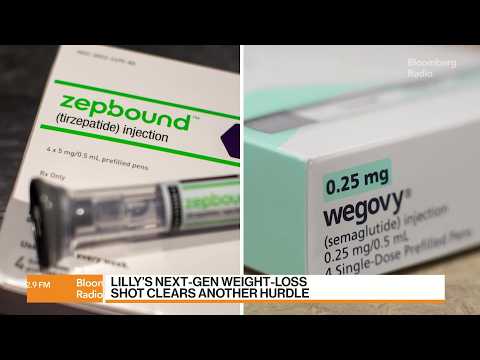
Adults with obesity and type 2 diabetes who took Eli Lilly's experimental EloraTZP lost an average of 23.3% of their body weight over 48 weeks — well beyond the 14.8% lost by those on tirzepatide alone, the drug sold as Zepbound. The combination pairs tirzepatide, a dual GIP and GLP-1 receptor agonist, with eloralintide, a selective amylin receptor agonist, engaging three appetite-regulating hormone pathways at once.

The results, presented September 30 at the European Association for the Study of Diabetes meeting in Milan, cleared the way for Lilly to start Phase 3 trials by the end of 2026. The news intensifies the race with Novo Nordisk, whose combination drug CagriSema is slated to launch early next year, in a weight-loss market forecast at $100 billion to $150 billion annually by the end of the decade.

Why it matters

If it reaches market, EloraTZP would give patients a once-weekly shot that outpaces today's best-selling obesity drugs.

Questions about this story

Free account needed to ask — your question is kept and asked for you right after sign-up. Answers are public.

No questions yet — be the first to ask.

Key Indicators

23.3%
Average weight loss at 48 weeks (highest EloraTZP dose)
About 24.5 kg or 54.1 lbs from an average starting weight near 105 kg.
14.8%
Average weight loss with tirzepatide 15 mg alone
The comparison arm in the same Phase 2b trial.
2.9%
Average A1C reduction (highest EloraTZP dose)
HbA1c, a blood sugar measure, fell 2.9% versus 2.4% for tirzepatide alone and 0.3% for placebo.
27%
Highest participant dropout from side effects on EloraTZP
Gastrointestinal effects led 10.8% to 27.0% of EloraTZP patients to leave; tirzepatide alone was 2.9%.
367
Phase 2b trial participants
Adults in the US and Argentina with obesity or overweight plus type 2 diabetes.

Voices

Curated perspectives — historical figures and your fellow readers.

Ever wondered what historical figures would say about today's headlines?

Sign up to generate historical perspectives on this story.

People Involved

Organizations Involved

Timeline

February 2026 September 2026

3 events Latest: Yesterday
  1. EloraTZP beats tirzepatide alone in Phase 2b

    Latest Clinical trial results

    At the EASD meeting in Milan, Lilly reported adults with obesity and type 2 diabetes on the highest EloraTZP dose lost 23.3% of their weight and cut A1C by 2.9% at 48 weeks, versus 14.8% and 2.4% for tirzepatide 15 mg alone.

  2. Lilly maps Phase 3 for EloraTZP

    Development plans

    Lilly said it will start Phase 3 trials of a co-formulated, once-weekly EloraTZP injection by the end of Q4 2026, using an adjusted dose-escalation schedule meant to cut gastrointestinal side effects.

  3. CagriSema falls short of tirzepatide in head-to-head trial

    Competitive results

    Novo Nordisk's amylin-GLP-1 combination showed about 23% average weight loss over 84 weeks but failed to beat high-dose tirzepatide, dampening expectations for the first two-drug obesity treatment.

Scenarios

1

EloraTZP starts Phase 3 by end of 2026

Likely Resolves by Q1 2027

Discussed by: Lilly press release, CNBC, Fierce Biotech

Lilly says it will initiate Phase 3 trials of the co-formulated, single-injection version using an optimized escalation schedule to reduce the gastrointestinal side effects. Registration of the trial on clinicaltrials.gov would confirm the program advanced on schedule.

2

Tolerability derails EloraTZP

Unlikely Resolves by End of 2029

Discussed by: New Scientist, commentary from Kevin Gade of Bahl & Gaynor

Gastrointestinal effects were more common with EloraTZP than tirzepatide alone, and dropout rates reached 27%. If the optimized Phase 3 schedule fails to fix tolerability, Lilly could delay, scale back, or abandon the combination.

3

EloraTZP wins FDA approval

Possible Resolves by End of 2030

Discussed by: New Scientist, citing researcher Lora Heisler on approval within a few years

If Phase 3 succeeds and dosing is well tolerated, the combination could reach the market within a few years, giving Lilly a weight-loss option that beats both Zepbound and Novo's CagriSema. Approval for treating type 2 diabetes or obesity would be the registration milestone.

4

Novo's CagriSema reaches market first

Possible Resolves by Q2 2028

Discussed by: DevDiscourse reporting on Novo's timeline

Novo Nordisk says it is on track to launch CagriSema, an amylin-GLP-1 combination, early in 2027, which would make it the first two-drug obesity treatment on the market. A launch would not stop Lilly's work on EloraTZP but would reset the competitive story.

Historical Context

2 moments from history that rhyme with this story — and how they unfolded.

March 2005

Pramlintide, the first amylin drug (2005)

The FDA approved pramlintide (Symlin), the first amylin analog, for type 2 diabetes. It worked on the same hormone pathway EloraTZP now uses, but had to be injected with meals and frequently caused nausea.

Then

Symlin saw limited use, mostly as an add-on to insulin, and never became a major obesity treatment.

Now

The slow start guided development of selective amylin agonists like eloralintide, engineered to avoid calcitonin-receptor activity linked to side effects.

Why this matters now

EloraTZP revisits the amylin pathway with a more selective compound, suggesting why Lilly believes the pathway can finally deliver the weight loss pramlintide promised.

November 2023 to late 2024

Zepbound beats Wegovy in head-to-head trials (2023–2024)

Lilly's tirzepatide, sold as Zepbound for obesity, beat Novo's semaglutide-based Wegovy in a head-to-head trial, cementing dual GIP/GLP-1 agonism as more effective than GLP-1 alone. The FDA approved Zepbound for weight management in November 2023.

Then

Zepbound became a top-selling obesity drug and positioned Lilly as the category's leader.

Now

The rivalry pushed both companies toward combination therapies, with Lilly testing amylin and Novo developing CagriSema.

Why this matters now

EloraTZP extends the same escalation, adding an amylin pathway to a GIP/GLP-1 base to push weight loss beyond what tirzepatide alone achieves.

Sources

(11)