
Pull to refresh
Logo
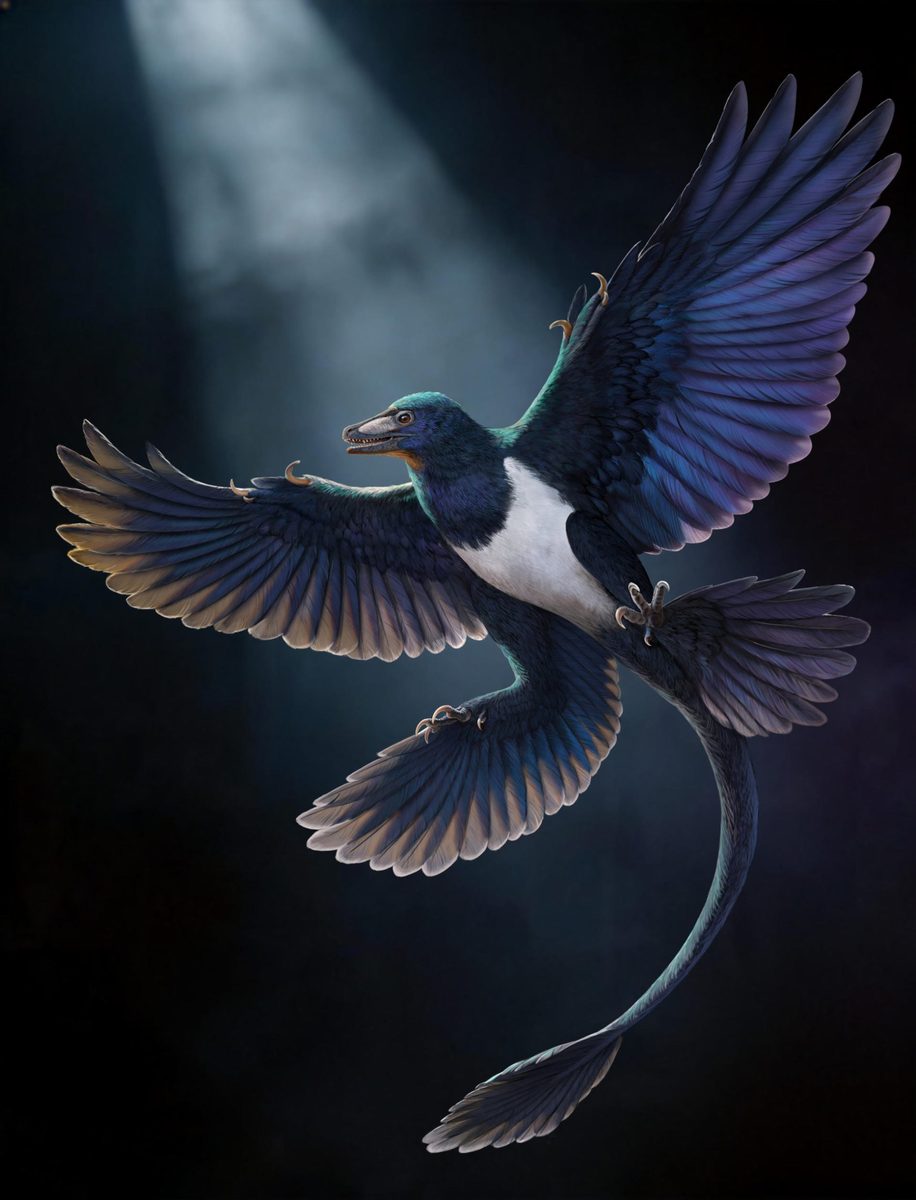
New feathered dinosaur fossil suggests flight evolved more than once

New feathered dinosaur fossil suggests flight evolved more than once

New Capabilities

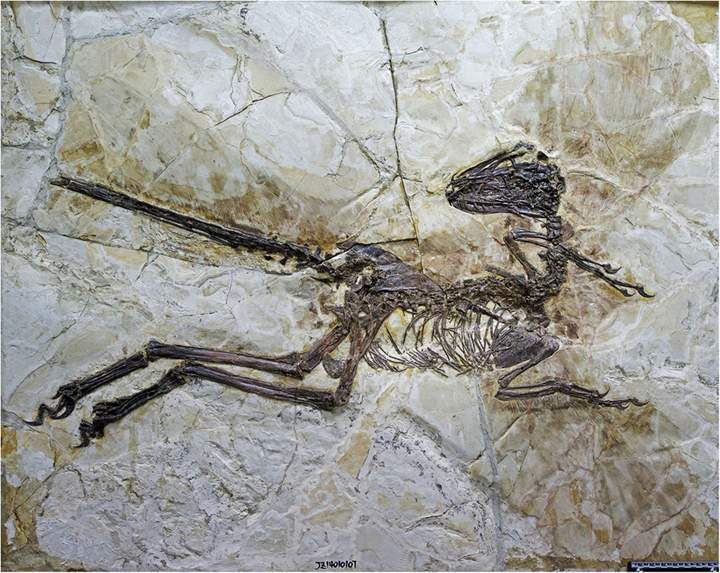
Norellraptor barsboldi, from China's Liaoning province, adds evidence that the ability to fly arose independently along multiple dinosaur lineages

2 days ago: Nature News examines independent flight origins

Overview

Updated 1 hour ago

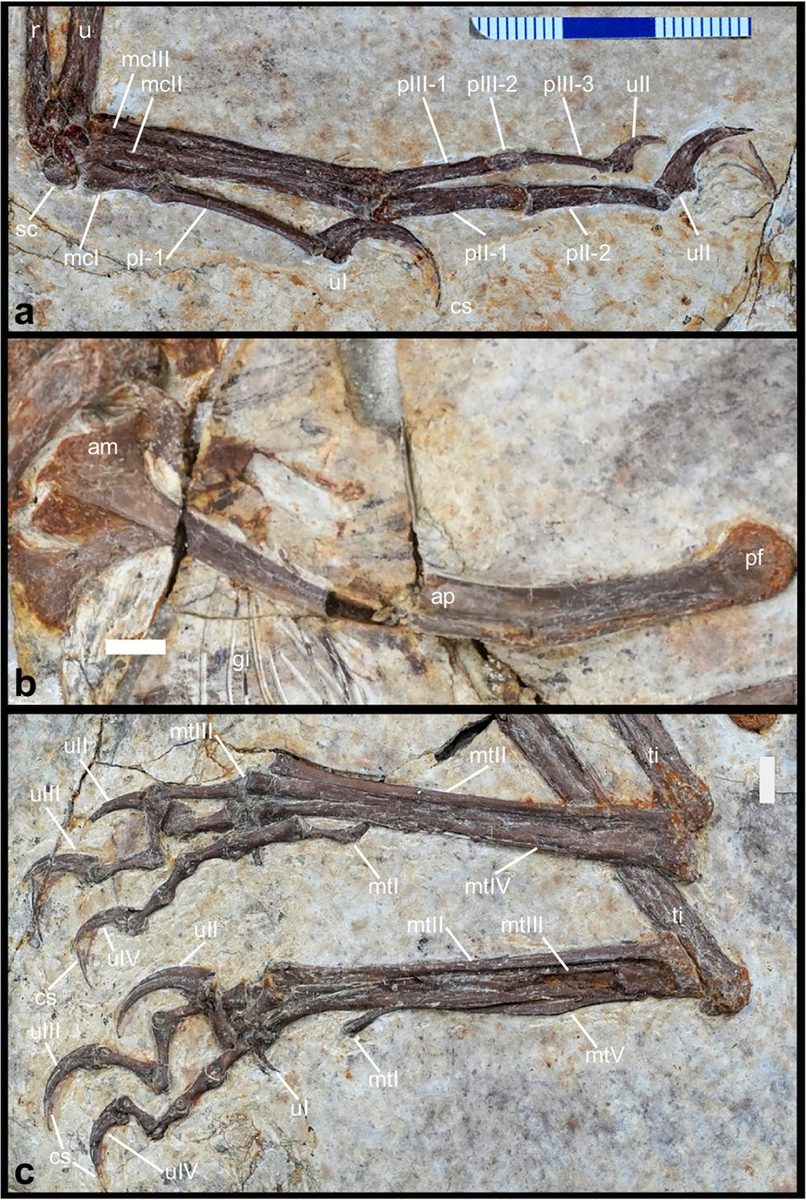
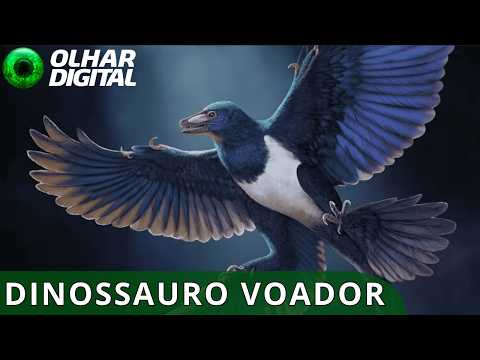
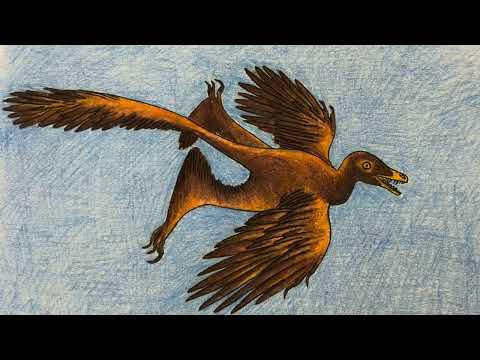
A new feathered dinosaur species from China, Norellraptor barsboldi, challenges a core assumption about the origin of flight. The 57-centimeter fossil shows that flight-related traits evolved independently in this lineage and in birds.

Researchers mapped 194 flight-related anatomical changes across the microraptorine family tree and found 30 percent also evolved in birds. But the two groups acquired these traits in different orders, evidence that flight arose along separate evolutionary paths rather than through a single shared blueprint.

Why it matters

If flight evolved independently more than once among dinosaurs, bird origins may be one branch of a broader aerial experiment, not a unique event.

Questions about this story

Free account needed to ask — your question is kept and asked for you right after sign-up. Answers are public.

No questions yet — be the first to ask.

Key Indicators

30%
Flight adaptations shared with the bird lineage
57 of 194 flight-related anatomical changes in microraptorines also evolved independently in birds (Avialae).
194
Flight-related apomorphies in the microraptorine lineage
Anatomical changes mapped across the microraptorine branch of the dinosaur family tree.
2+
Suggested independent origins of flight among paravians
At least one in microraptorines and at least one in the bird lineage, per this study.

Voices

Curated perspectives — historical figures and your fellow readers.

Ever wondered what historical figures would say about today's headlines?

Sign up to generate historical perspectives on this story.

People Involved

Organizations Involved

Timeline

September 2026 October 2026

2 events Latest: 2 days ago
  1. Nature News examines independent flight origins

    Latest Publication

    Nature publishes a news feature on the fossil, reporting the finding that 30 percent of flight-related adaptations evolved independently in the bird lineage and discussing the implications for the evolution of flight.

  2. Norellraptor barsboldi described in Nature Communications

    Publication

    International team publishes formal description of a new feathered dinosaur species from Liaoning province, China. The 57-centimeter microraptorine lived roughly 145 to 100 million years ago.

Scenarios

1

Independent flight origins gain further fossil support

Likely Resolves by End of 2027

Discussed by: Study authors; Michael Pittman (Chinese University of Hong Kong)

If additional microraptorine specimens or new bird-lineage fossils show flight-related traits appearing in consistently different orders across the two groups, the multiple-origins hypothesis strengthens. The research team noted that the sequences of flight-related novelties differ between lineages, which they interpret as separate selective regimes.

2

Major reanalysis challenges multiple-origins conclusion

Possible Resolves by End of 2027

Discussed by: Paleontologists favoring a single ancestral origin of paravian flight (the paper's authors tested this alternative and found it quantitatively weaker)

A comprehensive phylogenetic study could place microraptorines within Avialae or reinterpret flight-related traits as ancestral to all paravians rather than convergently evolved. The Norellraptor paper reported that unconstrained analyses place microraptorines outside Avialae, with the shortest trees enforcing the alternative hypothesis only 23 steps longer, leaving room for new data to close that gap.

3

Debate over flight origins remains unresolved through 2027

Uncertain Resolves by End of 2027

Discussed by: Members of the paleontological community observing the debate

The field may neither converge on the multiple-origins hypothesis nor produce a decisive refutation. New fossils will be described, individual papers will take positions, but a consensus may not form within the next 15 months given the history of debate over bird origins.

Historical Context

3 moments from history that rhyme with this story — and how they unfolded.

1861

Archaeopteryx discovery (1861)

Quarry workers in the Solnhofen limestone of Bavaria unearthed a fossil skeleton with a reptilian jaw, teeth, and a long bony tail, but with clear impressions of feathered wings. Named Archaeopteryx lithographica, it was announced two years after Darwin published On the Origin of Species.

Then

The specimen became a centerpiece in the evolutionary debate, giving naturalists a concrete transitional form between reptiles and birds.

Now

Archaeopteryx established that birds evolved from reptile-like ancestors and anchored the study of bird origins for more than a century.

Why this matters now

Archaeopteryx was the first fossil to bridge the gap between dinosaurs and birds. Norellraptor now complicates that single-lineage story, suggesting the bridge may have been crossed multiple times.

2003

Microraptor gui described (2003)

Xu Xing and colleagues in China described Microraptor gui, a four-winged feathered dinosaur from the Early Cretaceous of Liaoning. The specimen had long flight feathers on both its forelimbs and hindlimbs, suggesting it could glide using all four limbs.

Then

The four-winged body plan sparked debate about whether early flight involved gliding from trees or leaping from the ground.

Now

The discovery opened the microraptorine fossil record in Liaoning, which has since produced hundreds of specimens and a wealth of detail about early feathered dinosaurs.

Why this matters now

Norellraptor belongs to the same microraptorine group that Microraptor gui first made famous. The new species adds anatomical detail about how flight adaptations accumulated within this lineage.

2009

Anchiornis huxleyi described (2009)

Researchers described Anchiornis huxleyi, a small feathered dinosaur from the Late Jurassic of Liaoning, China. The roughly 34-centimeter animal had feathers on all four limbs and a tail, and its wing feathers were preserved with details of pigment-bearing structures.

Then

Later color reconstruction showed Anchiornis had black and white plumage with a red crest, the first such color map for a non-avian dinosaur.

Now

Anchiornis pushed evidence of four-winged plumage deep into the Jurassic, showing that feather arrangements predate birds by tens of millions of years.

Why this matters now

Anchiornis and other anchiornithines sit at the boundary between Paraves and Avialae, and how they relate to microraptorines like Norellraptor is central to determining whether flight evolved once or multiple times.

Sources

(8)