

Pull to refresh
Logo
Netherlands completes Afsluitdijk reinforcement, boosting discharge capacity 45%

Netherlands completes Afsluitdijk reinforcement, boosting discharge capacity 45%

Built World

New pumping station and discharge sluices at Den Oever mark the end of an eight-year, 32-kilometre upgrade

5 days ago: Afsluitdijk reinforcement completed, new pumps commissioned

Overview

Updated 58 minutes ago

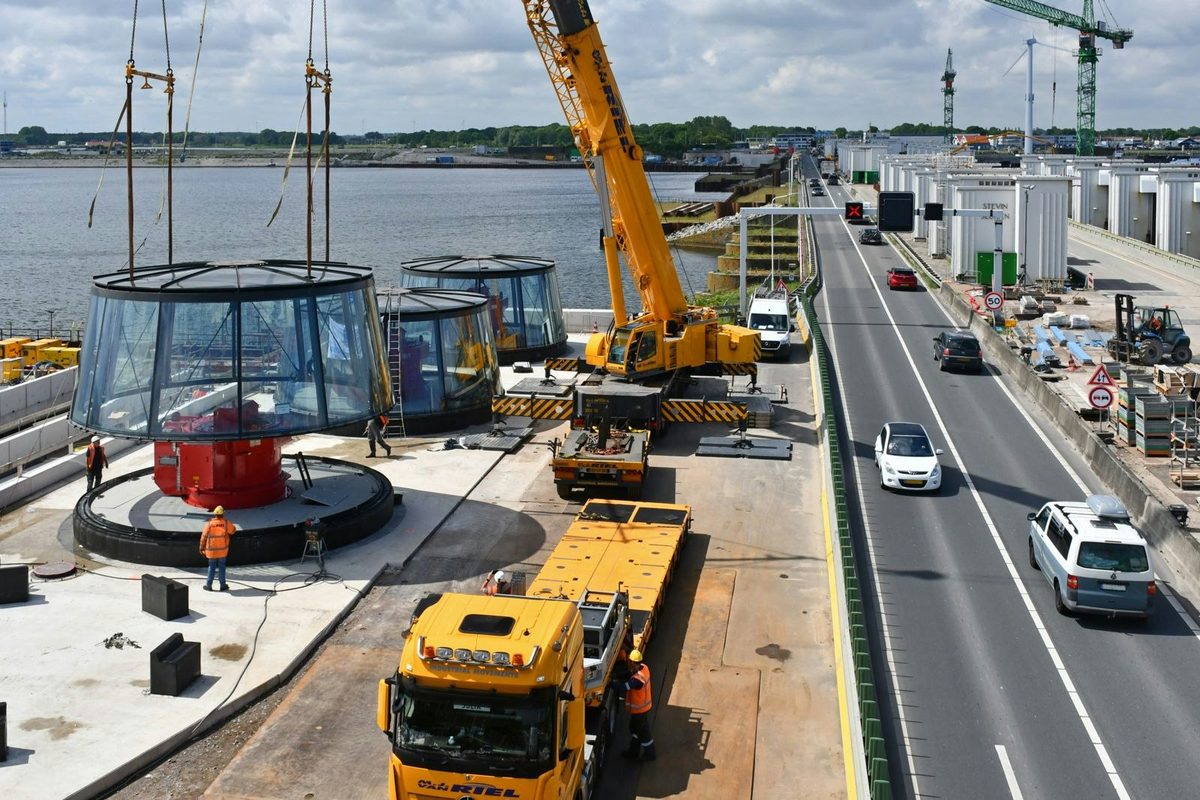
The Netherlands completed the reinforcement and modernisation of the Afsluitdijk on October 1, 2026. Infrastructure Minister Vincent Karremans commissioned the new pumping station and discharge sluices at Den Oever, the final piece of an eight-year project that raised and strengthened the 32-kilometre dike.

The upgrade gives the dike 45% more capacity to move water from Lake IJsselmeer into the Wadden Sea. Six new pumps can shift 275 cubic metres per second, roughly an Olympic swimming pool every nine seconds. That capability matters more as sea levels rise and gravity-based discharge becomes less reliable.

Why it matters

The Afsluitdijk protects large parts of the Netherlands from flooding; the new pumps keep water flowing out of Lake IJsselmeer as sea levels rise.

Questions about this story

Free account needed to ask — your question is kept and asked for you right after sign-up. Answers are public.

No questions yet — be the first to ask.

Key Indicators

45%
Increase in water discharge capacity
Combined capacity of new pumping station and discharge sluices at Den Oever.
275 m³/s
Pump capacity
Six pumps move 275 cubic metres of water per second from Lake IJsselmeer to the Wadden Sea.
32 km
Length of reinforced dike
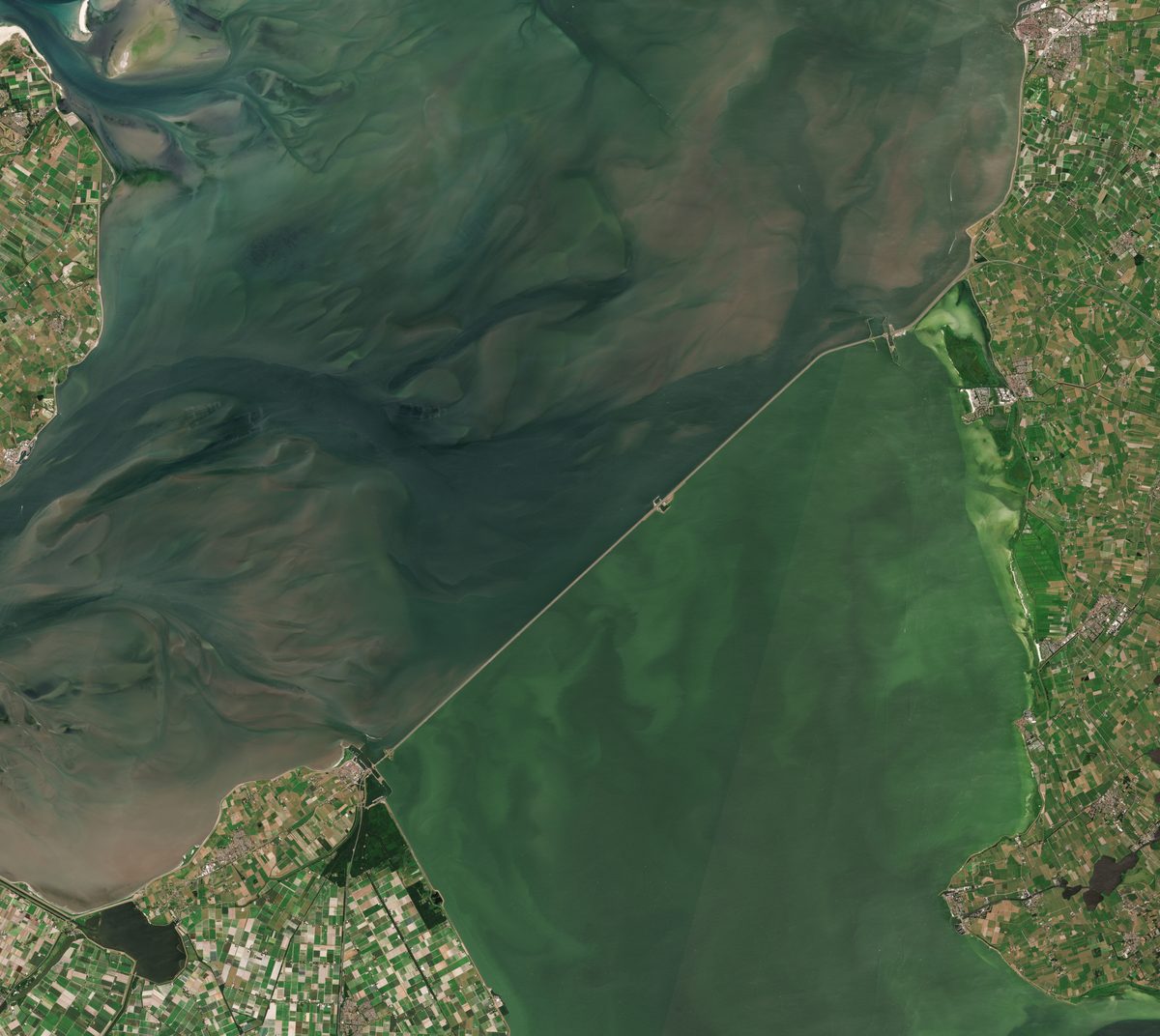
The Afsluitdijk spans 32 kilometres between North Holland and Friesland.
6
New pumps at Den Oever
Each pump contributes to the 275 cubic metres per second combined capacity.

Voices

Curated perspectives — historical figures and your fellow readers.

Ever wondered what historical figures would say about today's headlines?

Sign up to generate historical perspectives on this story.

People Involved

Organizations Involved

Timeline

1932 October 2026

4 events Latest: 5 days ago
Tap a bar to jump to that date
  1. Afsluitdijk reinforcement completed, new pumps commissioned

    Latest Milestone

    Minister Karremans commissioned the new pumping station and discharge sluices at Den Oever, completing the project.

  2. Construction starts on Afsluitdijk reinforcement

    Construction

    The renovation project began, with work continuing while the dike remained operational.

  3. Design work begins with Levvel consortium

    Planning

    Benthem Crouwel Architects joined the Levvel design team for the Afsluitdijk renewal.

  4. Original Afsluitdijk completed

    Construction

    The Afsluitdijk closed off the Zuiderzee, creating Lake IJsselmeer and protecting the Dutch coast.

Scenarios

1

Afsluitdijk passes first storm season test

Likely Resolves by Apr 1, 2027

Discussed by: Rijkswaterstaat officials

The new pumping station and discharge sluices face their first real test during the 2026-2027 storm season, which began October 1. Rijkswaterstaat says the new infrastructure gives it more options to manage water levels in the IJsselmeer. If the pumps and sluices perform as designed through the season, it validates the project's core function.

2

Fish migration river opens to visitors

Likely Resolves by End of 2027

Discussed by: Benthem Crouwel Architects, Rijkswaterstaat

The 15-metre-wide fish migration passage at Kornwerderzand, designed to restore migration routes between the Wadden Sea and the IJsselmeer, is expected to open to visitors. The passage allows about twelve fish species to expand their habitat for the first time in nearly a century.

3

Sea level rise forces earlier capacity expansion

Possible Resolves by Jan 1, 2030

Discussed by: Rijkswaterstaat technical manager Bram Beijer

Rijkswaterstaat projects that additional discharge capacity will be needed from 2045 as sea levels rise. Beijer said the current capacity is sufficient until at least 2050 but could not guarantee 100 years. If sea level rise accelerates, the timeline for additional pumping capacity could move earlier.

Historical Context

3 moments from history that rhyme with this story — and how they unfolded.

1927-1932

Original Afsluitdijk construction (1927-1932)

The Afsluitdijk was built between 1927 and 1932 as part of the Zuiderzee Works, closing off the Zuiderzee from the North Sea and creating Lake IJsselmeer. The 32-kilometre dike was a landmark of Dutch hydraulic engineering.

Then

The dike ended the threat of flooding from the Zuiderzee and created a freshwater lake for agriculture and drinking water.

Now

The Afsluitdijk has protected large parts of the Netherlands for over 90 years, but its original discharge sluices reached the end of their technical life.

Why this matters now

The current project upgrades the same dike built in 1932, replacing the original sluices and adding pumping capacity for a changing climate.

1953-1997

Delta Works (1953-1997)

After the 1953 North Sea flood killed over 1,800 people in the Netherlands, the country built the Delta Works, a series of dams, sluices, and storm surge barriers to protect the southwestern provinces.

Then

The Delta Works dramatically reduced flood risk in the southwestern Netherlands.

Now

The program became a global model for large-scale flood defense infrastructure.

Why this matters now

Like the Delta Works, the Afsluitdijk reinforcement responds to evolving flood risk, this time driven by sea level rise and more extreme rainfall.

1974-1982

Thames Barrier (1974-1982)

London built the Thames Barrier, a movable flood defense system, after the 1953 North Sea flood and subsequent storm surges threatened the city. The barrier spans 520 metres across the River Thames.

Then

The barrier has protected London from tidal flooding since 1982.

Now

It has been raised hundreds of times to prevent flooding, becoming a model for urban flood defense.

Why this matters now

Like the Thames Barrier, the Afsluitdijk upgrade is a major European flood defense investment responding to rising sea levels.

Sources

(10)