
Pull to refresh
Logo
First monopile installed at OranjeWind offshore wind farm

First monopile installed at OranjeWind offshore wind farm

Built World

RWE and TotalEnergies begin offshore construction on the 795 MW Dutch North Sea project

Yesterday: First monopile installed at OranjeWind

Overview

Updated 1 hour ago

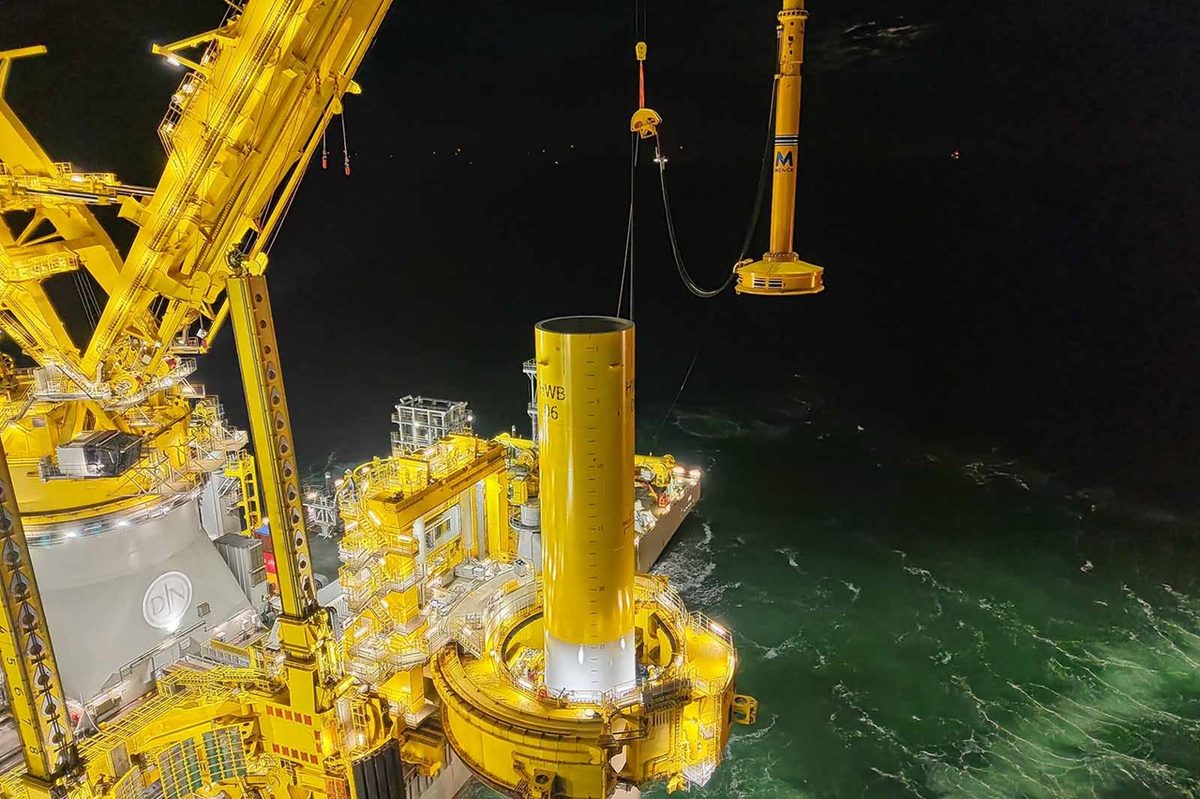
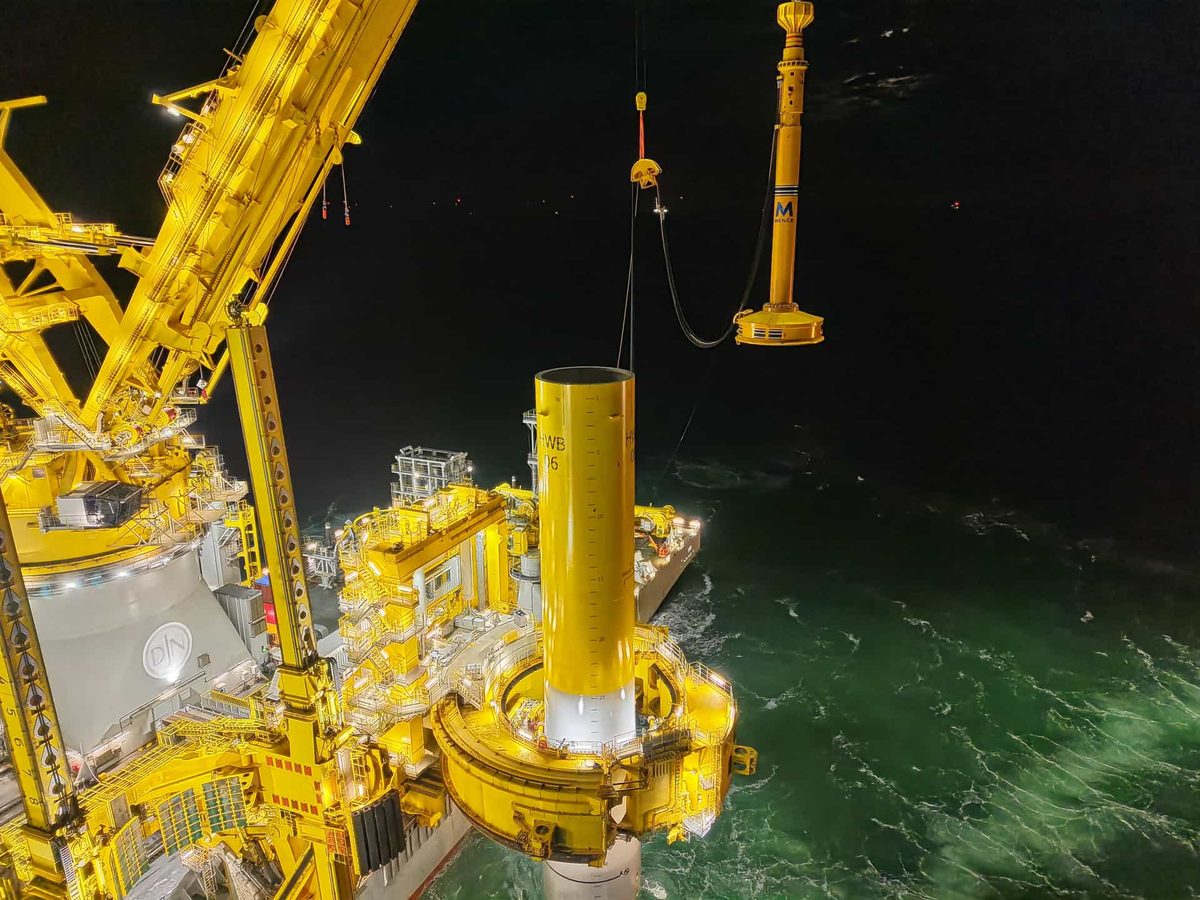
The first of 53 steel monopiles is now driven into the seabed 53 kilometers off the Dutch coast. The September 1 installation by RWE and TotalEnergies marks the official start of construction at the 795 MW OranjeWind wind farm.

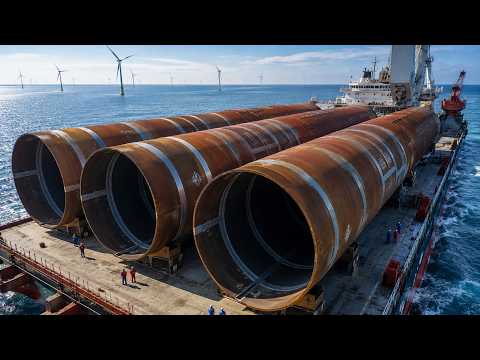
Each foundation is 90 meters long and 8 meters in diameter, with no transition piece: the turbine tower bolts directly to the pile to save steel. All 53 piles are due in place by early 2027. Turbines go up through 2027, with full commissioning expected in early 2028.

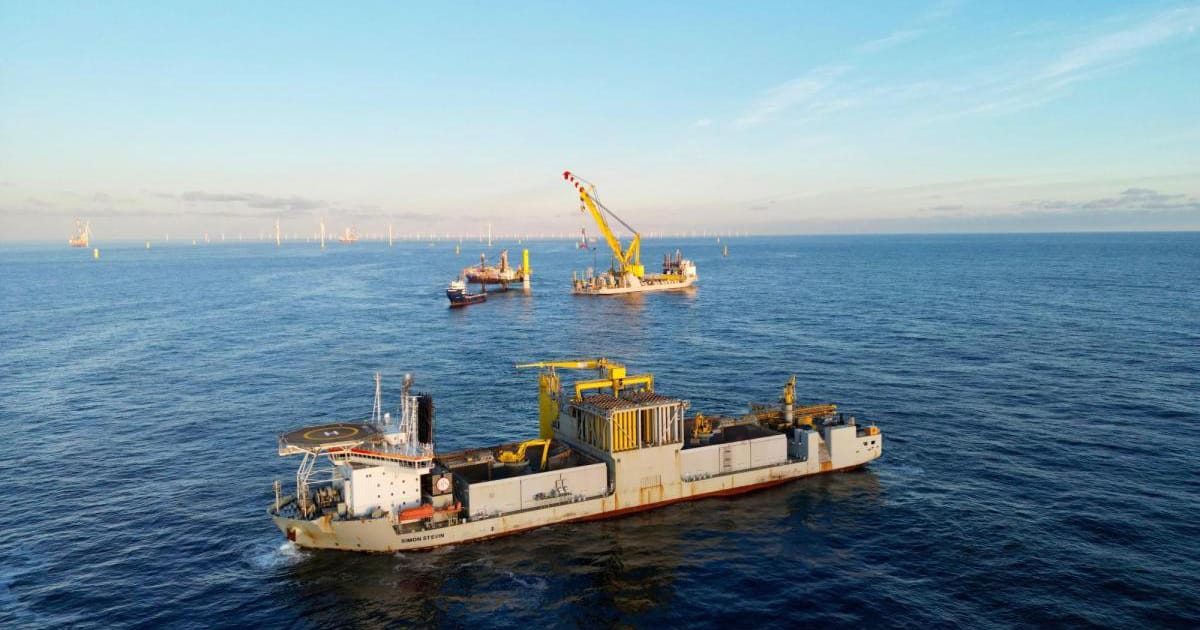
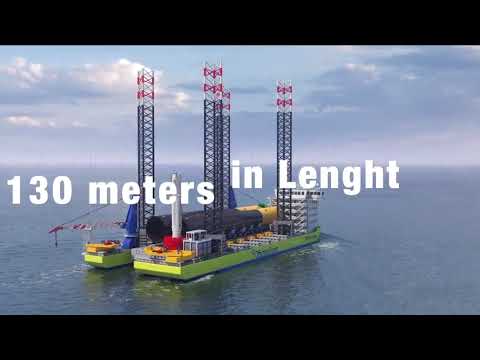
The project is also a grid test case: it pairs wind output with flexible demand to smooth the swings of renewable generation. Its construction methods include a floating installation vessel, bubble-curtain noise barriers, and per-position seabed surveys. Those methods show how the next generation of larger, farther-offshore wind farms will be built.

Why it matters

If OranjeWind delivers on schedule, it will power one million Dutch households and show how offshore wind can balance a flexible grid.

Questions about this story

Free account needed to ask — your question is kept and asked for you right after sign-up. Answers are public.

No questions yet — be the first to ask.

Key Indicators

53
Monopiles in the installation campaign
First installed September 1, 2026; all due in place by early 2027.
795 MW
Total installed capacity
Enough to power the equivalent of one million Dutch households per year.
53 km
Distance from the Dutch coast
The site sits off IJmuiden in the North Sea.
114 km
Inter-array cable length
DEME will connect all 53 foundations to the offshore substation.
90 m
Monopile length
Each pile is 8 meters in diameter; turbines bolt directly to the top flange.

Voices

Curated perspectives — historical figures and your fellow readers.

Ever wondered what historical figures would say about today's headlines?

Sign up to generate historical perspectives on this story.

Play

Exploring all sides of a story is often best achieved with Play.

Most of these play right now — no account needed. Sign up to save scores, keep a streak, and unlock Debate and Predict. Log in Sign Up
Predict 3 ways this could play out. Back the one you believe — contrarian picks score more when a scenario has a resolution date. Log in to play

Organizations Involved

Timeline

July 2026 March 2028

5 events Latest: Yesterday
Tap a bar to jump to that date
  1. Full commissioning expected

    Upcoming Milestone

    OranjeWind is expected to reach full operation in early 2028, powering the equivalent of one million Dutch households.

  2. Turbine installation campaign due

    Upcoming Construction

    All 53 Vestas V236-15.0 MW turbines are scheduled for installation during 2027. First power to the grid is planned for spring 2027.

  3. Inter-array cable installation scheduled

    Upcoming Construction

    DEME is due to start laying 114 km of cables connecting the 53 foundations to the offshore substation.

  4. First monopile installed at OranjeWind

    Latest Construction

    Jan De Nul's Les Alizés drives the first of 53 transition-piece-less monopiles 53 km off IJmuiden, officially starting offshore construction.

  5. Seabed prep and onshore dry run completed

    Construction

    RWE details the construction plan ahead of the first pile. Scour protection is already in place, and the team has run a full dry run of foundation installation at Smulders in Hoboken.

Historical Context

3 moments from history that rhyme with this story — and how they unfolded.

2015–2017

Gemini wind farm (2017)

Gemini, a 600 MW wind farm 85 km off the Dutch coast, was one of the first projects built that far from shore. Mid-construction, its owners faced a financing shortfall and had to renegotiate loans before completing the farm with 150 turbines in 2017.

Then

The farm came online in 2017, but the episode showed that Dutch offshore wind projects can stumble financially even after construction starts.

Now

Later Dutch tenders drew larger, better-capitalized sponsors, and the country's offshore wind program scaled up rapidly.

Why this matters now

OranjeWind is also far offshore at 53 km and is being built in phases. Its sponsors, RWE and TotalEnergies, are far larger than Gemini's original consortium, which reduces the financing risk Gemini exposed.

2016–2021

Borssele I & II (2021)

The Netherlands tendered the Borssele sites in 2016 and drew a then-record low bid of €72.70 per megawatt-hour. The 752 MW farm, built on standard monopiles with 8 MW turbines, was fully online by 2021.

Then

Borssele proved Dutch offshore wind could be delivered at competitive cost and at scale, launching a pipeline of new North Sea sites.

Now

It became the template for Dutch projects: competitive tender, monopile foundations, rapid scale-up. OranjeWind follows the same formula with turbines nearly twice as large.

Why this matters now

OranjeWind's transition-piece-less monopiles and 15 MW turbines are the Borssele approach scaled up; the steel-saving pile design is the main structural change.

2018–2023

Hollandse Kust Zuid (2023)

Vattenfall won the Hollandse Kust Zuid sites with subsidy-free bids and built 1.5 GW across 140 turbines. Completed in 2023, it was the world's largest operational offshore wind farm.

Then

The zero-subsidy project showed offshore wind could compete with fossil generation on cost in the Dutch North Sea.

Now

It opened the door for follow-on projects such as OranjeWind, which add grid-integration features to the standard offshore wind model.

Why this matters now

OranjeWind's 795 MW is the next step in the same Dutch pipeline, with an added mandate to test how wind farms can balance a flexible, electrified grid.

Sources

(7)