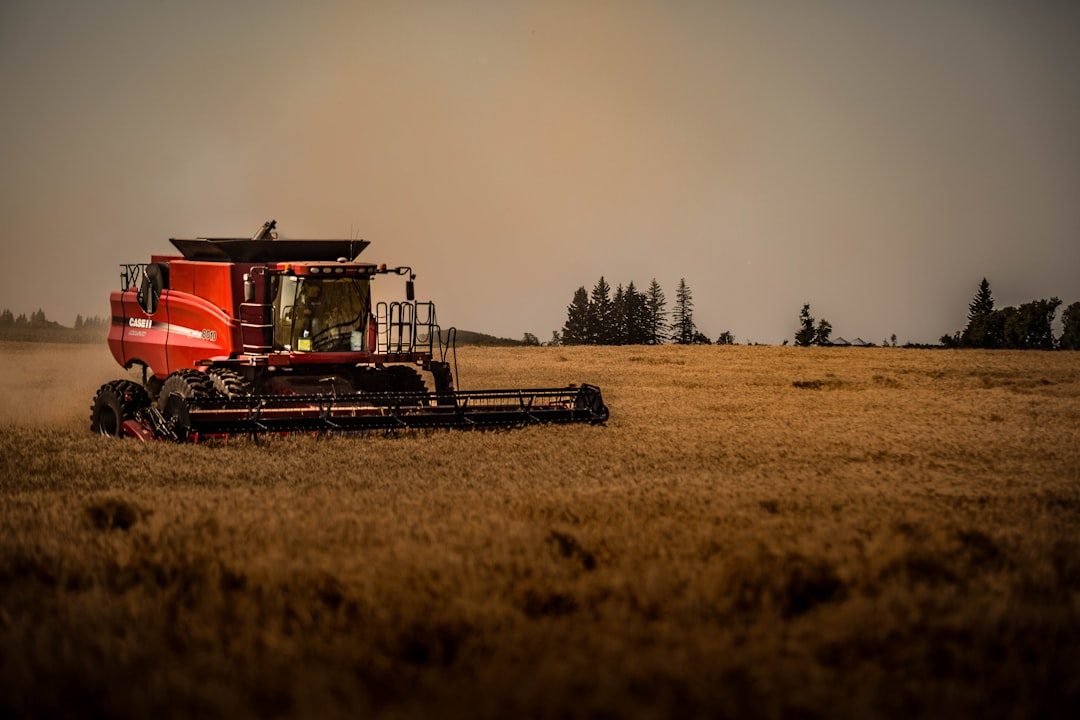
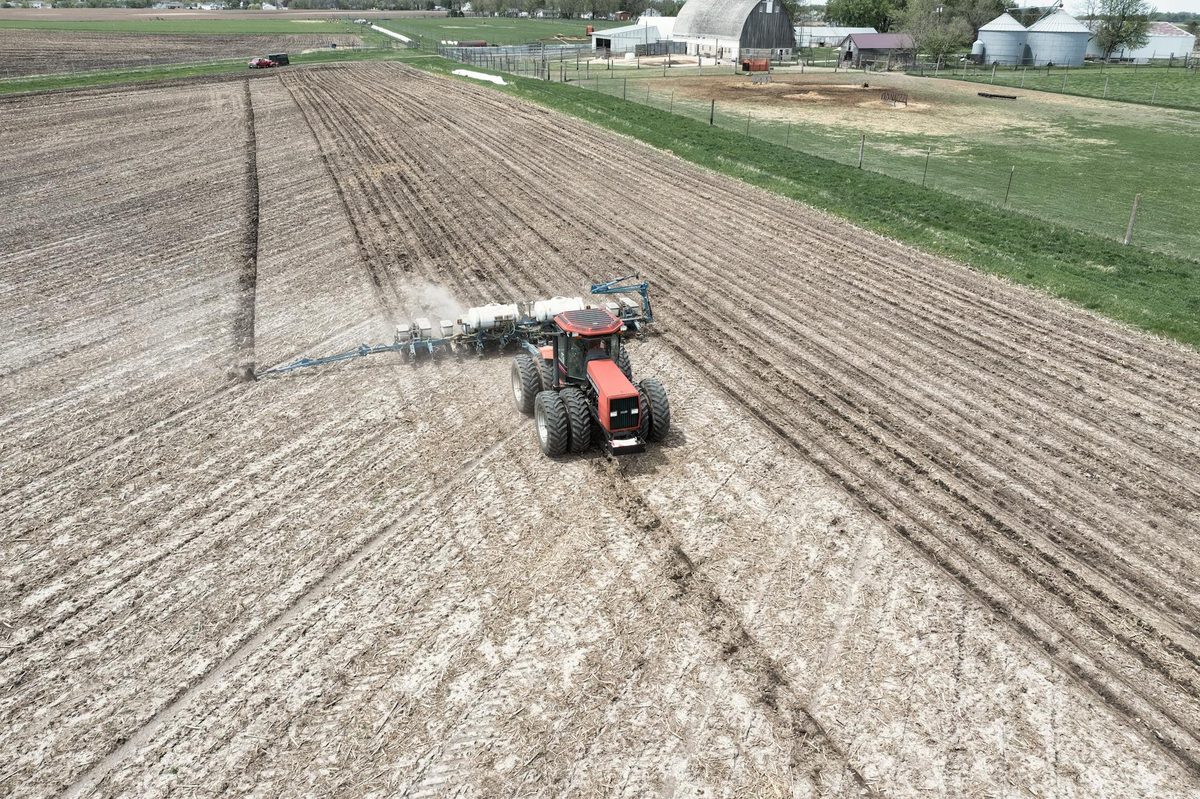
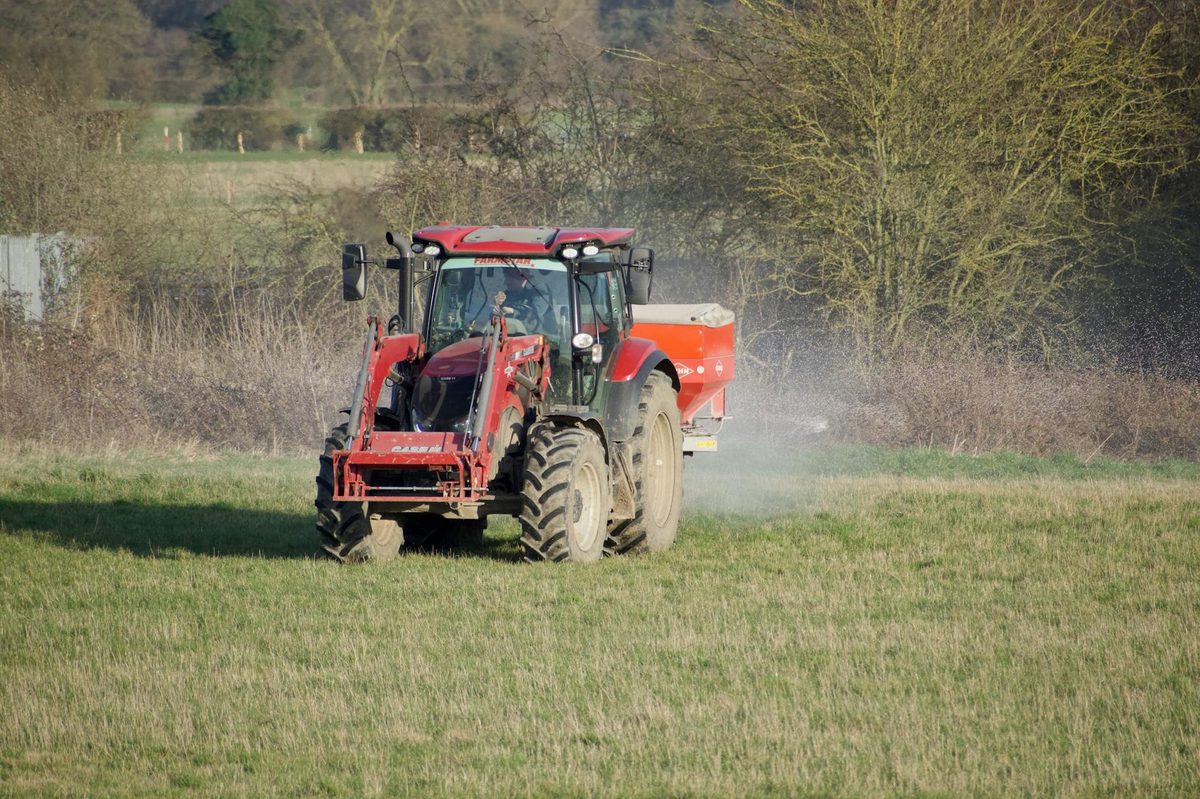
In 1900, 41 percent of Americans worked on farms; today, fewer than 2 percent do—yet agricultural output has more than tripled. Tractors, combine harvesters, and chemical fertilizers triggered the largest peacetime migration in American history, sending tens of millions from fields to factories and reshaping the nation's economy, culture, and landscape.
This transformation took roughly a century but accelerated sharply after 1945. What once required 35-40 hours of human labor to produce 100 bushels of corn now takes under 3 hours, and the displaced farm workers became the industrial and service workforce that built postwar America. Meanwhile, marginal farmland has returned to forest across much of the East—a rare case of development reversing environmental degradation.
Questions about this story
Free account needed to ask — your question is kept and asked for you right after sign-up. Answers are public.
No questions yet — be the first to ask.
Key Indicators
41%→2%
Farm workforce share
Percentage of U.S. labor force in agriculture, 1900 vs. today
24M
Draft animals replaced
Horses and mules displaced by tractors between 1910-1960
93%
Labor hours reduced
Decline in human labor to produce 100 bushels of corn (1900 vs. 2000)
3x
Output increase
Growth in total U.S. agricultural output since 1948 despite fewer workers
17 events
Latest: January 1st, 2024 · 3 years ago
Showing 8 of 17
JK to step
Tap a bar to jump to that date
Jump to
January 2024
Average Farm Size Reaches 466 Acres
LatestMilestone
The 2024 agricultural survey counts 876 million acres in farms averaging 466 acres—more than triple the 1900 average of 147 acres.
January 2000
Farm Workforce Reaches 2%
Demographic
Only 1.9% of Americans work in agriculture. Self-employed and family farmworkers have fallen 73% since 1950, to 2.06 million.
January 1970
Farm Workforce Falls to 4%
Demographic
Agricultural employment drops to 3.5 million workers, down from 11 million in 1920. Average farm size approaches 400 acres.
January 1963
U.S. Forest Land Reaches Post-Settlement Peak
Environment
Abandoned farmland returning to forest pushes U.S. forest acreage to 753 million acres—the highest since colonial-era clearing began.
January 1960
Draft Animals Essentially Eliminated
Technology
Tractors have replaced 24 million horses and mules since 1910. Mechanical power now dominates American agriculture completely.
January 1951
Peak Tractor Production
Industry
U.S. tractor production hits its all-time high of 564,000 units. The market approaches saturation as horse-powered farming becomes rare.
January 1950
Farm Population Falls Below 25%
Demographic
Less than a quarter of Americans now live on farms. Average farm size reaches 205 acres as consolidation accelerates. Land in farms peaks at 1.2 billion acres.
January 1945
Postwar Mechanization Surge
Milestone
Tractors reach 2.4 million while work animals fall to 11.6 million. Returning veterans accelerate the shift to cities, and suburban development begins.
January 1935
Peak Number of U.S. Farms
Milestone
The number of American farms peaks at nearly 7 million. Consolidation and mechanization will reduce this to 2 million by 2000.
January 1930
920,000 Tractors on American Farms
Milestone
Tractor numbers approach one million while work animals (horses and mules) begin their decline from 18.7 million. The transition accelerates through the Depression.
January 1924
Farmall Tractor Revolutionizes Row Crops
Technology
International Harvester introduces the Farmall, the first successful row-crop tractor. It can cultivate cotton, corn, and other crops that earlier tractors could not handle.
January 1922
Tractor Price War Accelerates Adoption
Industry
Ford slashes Fordson prices to $395. Competitors match or exit the market. By 1923, Fordsons account for 75% of U.S. tractor sales.
January 1920
Fordson Dominates Tractor Market
Industry
Ford sells 67,000 Fordson tractors in a single year, dwarfing competitors. The company initiates aggressive price cuts that reshape the industry.
January 1917
Fordson Tractor Enters Mass Production
Technology
Henry Ford introduces the Fordson Model F, the first lightweight, affordable tractor. Priced at $750, it brings mechanization within reach of average farmers.
January 1910
Agricultural Employment Peaks
Milestone
Farm employment reaches approximately 12 million workers—the highest absolute number in American history. The decline begins immediately afterward.
January 1902
International Harvester Formed
Industry
Five agricultural equipment companies, including rivals McCormick and Deering, merge to create International Harvester, which will dominate the tractor market for decades.
January 1900
41% of Americans Work in Agriculture
Milestone
The 1900 Census records 5.7 million farms averaging 146 acres, with agriculture employing the largest share of the American workforce. Farm work remains labor-intensive, relying primarily on horses and human muscle.
Scenarios
1
Precision Agriculture Drives Further Consolidation
Likely
Discussed by: USDA Economic Research Service, agricultural economists
GPS-guided equipment, AI-driven crop management, and robotics continue reducing labor requirements while increasing optimal farm size. The number of farms continues declining toward 1.5 million, with most production concentrated on operations exceeding 1,000 acres. Rural communities face further population decline.
Difficulty finding farm workers, particularly for harvest work, drives rapid adoption of robotic harvesters and autonomous equipment. Labor-intensive crops like fruits and vegetables—long resistant to mechanization—finally become automated. The 2% farm workforce share drops below 1%.
Extreme weather, shifting growing zones, and water scarcity reduce yields despite technological advances. More marginal land is abandoned, accelerating reforestation in some regions while water-stressed areas see agricultural collapse. Food prices rise significantly.
4
Small Farm Renaissance Through Direct Markets
Possible
Discussed by: Local food advocates, agricultural extension services
Consumer demand for local, organic, and specialty products supports a modest increase in small-scale farming. These operations remain economically marginal compared to industrial agriculture but provide niche livelihoods. The overall percentage of agricultural workers stabilizes rather than declining further.
Historical Context
3 moments from history that rhyme with this story — and how they unfolded.
1 of 3
1750-1850
British Agricultural Revolution and Enclosure (1750-1850)
Parliament passed over 5,200 enclosure acts, converting 6.8 million acres of common land to private ownership. New farming techniques—crop rotation, selective breeding, improved plows—dramatically increased yields. Displaced peasants who had relied on common grazing and foraging rights were forced to seek wage labor.
Then
Agricultural productivity increased sharply. Landless laborers flooded into growing industrial cities like Manchester and Birmingham.
Now
Britain became the first urbanized nation, with over half its population in cities by 1850. The displaced rural workforce powered the Industrial Revolution.
Why this matters now
The British experience previewed America's 20th-century transformation: mechanization and consolidation displacing farm workers who become industrial labor. The difference was speed—Britain's transition took a century; America's took decades.
2 of 3
1929-1933
Soviet Collectivization (1929-1933)
Stalin forced 25 million peasant households onto collective farms in four years. Kulaks (prosperous peasants) were "liquidated as a class" through deportations and executions. Peasants slaughtered livestock rather than surrender it—the USSR lost one-third of its pigs and one-quarter of its cattle in 1930 alone.
Then
Agricultural output collapsed. Famine killed 5-12 million people, concentrated in Ukraine (the Holodomor).
Now
Soviet livestock numbers did not recover until the 1980s. Collective farming never matched private agriculture's productivity. The USSR became a net grain importer.
Why this matters now
Collectivization shows that agricultural transformation can be catastrophically destructive when driven by ideology rather than technology and market forces. American mechanization was voluntary, gradual, and productivity-enhancing; Soviet collectivization was coerced, rapid, and productivity-destroying.
3 of 3
1960-1980
The Green Revolution (1960-1980)
Norman Borlaug's dwarf wheat varieties, combined with synthetic fertilizers and irrigation, spread from Mexico to Asia. India imported 18,000 tons of Mexican wheat seed in 1966. Indian wheat production jumped from 12 million tons in 1965 to 20 million tons in 1970.
Then
India achieved food self-sufficiency by 1971. Pakistan and other nations followed. Predictions of mass famine proved wrong.
Now
Global grain output nearly tripled between 1950 and 1992 on roughly the same acreage. Borlaug is credited with saving over a billion lives. Critics note environmental costs: soil degradation, water depletion, pesticide dependence.
Why this matters now
The Green Revolution extended mechanization's logic globally: fewer workers producing vastly more food. Combined with earlier American advances, it demonstrates that agricultural employment will continue declining worldwide as productivity technology spreads.