
Pull to refresh
Logo
Iran widens Gulf attacks, hitting a US base in Kuwait and targets in Bahrain

Iran widens Gulf attacks, hitting a US base in Kuwait and targets in Bahrain

Force in Play

Tehran's first strike on Kuwait since September followed a US raid on Qeshm Island; Qatar's mediation has yet to produce a deal

Overview

Updated 59 minutes ago

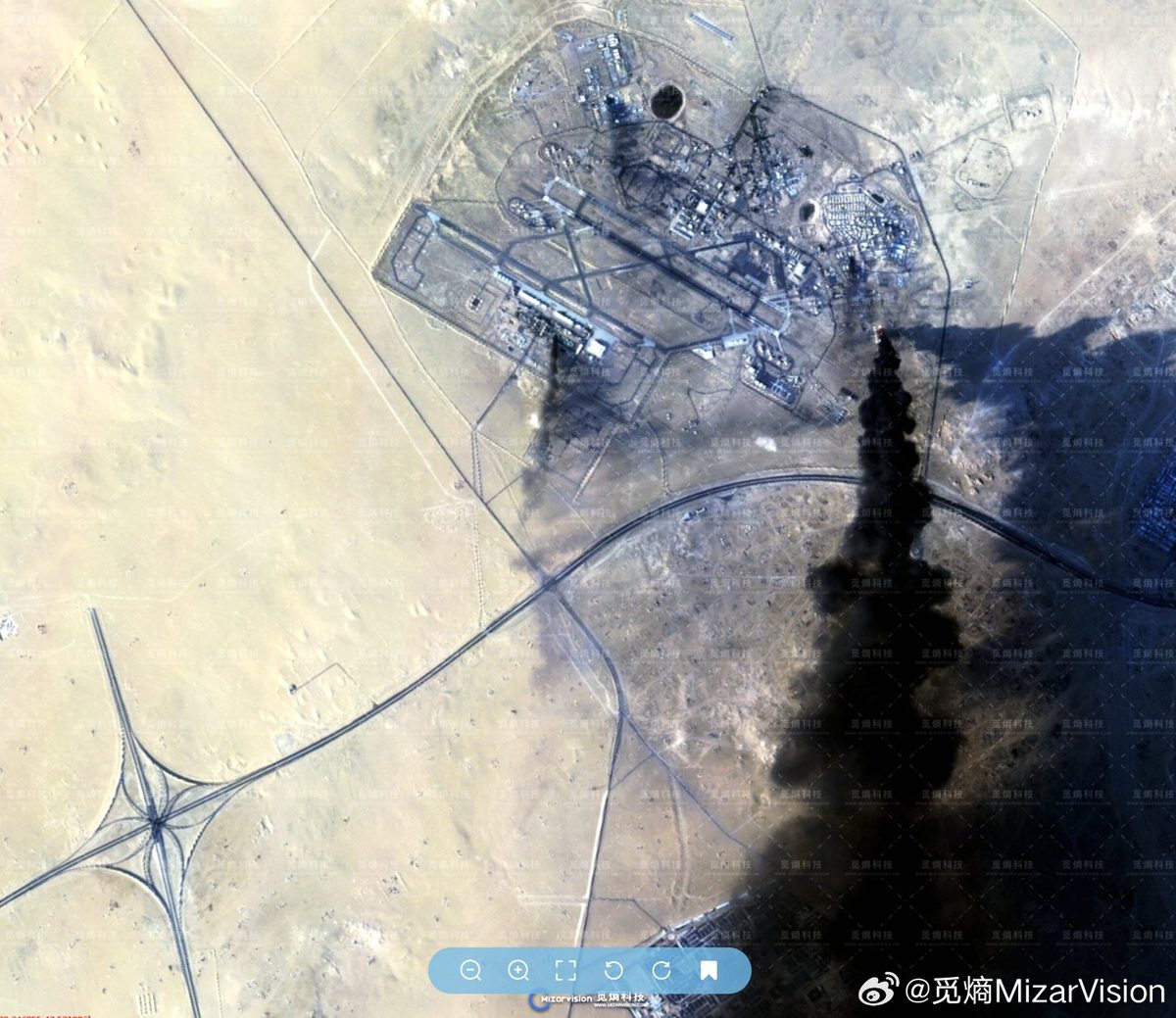
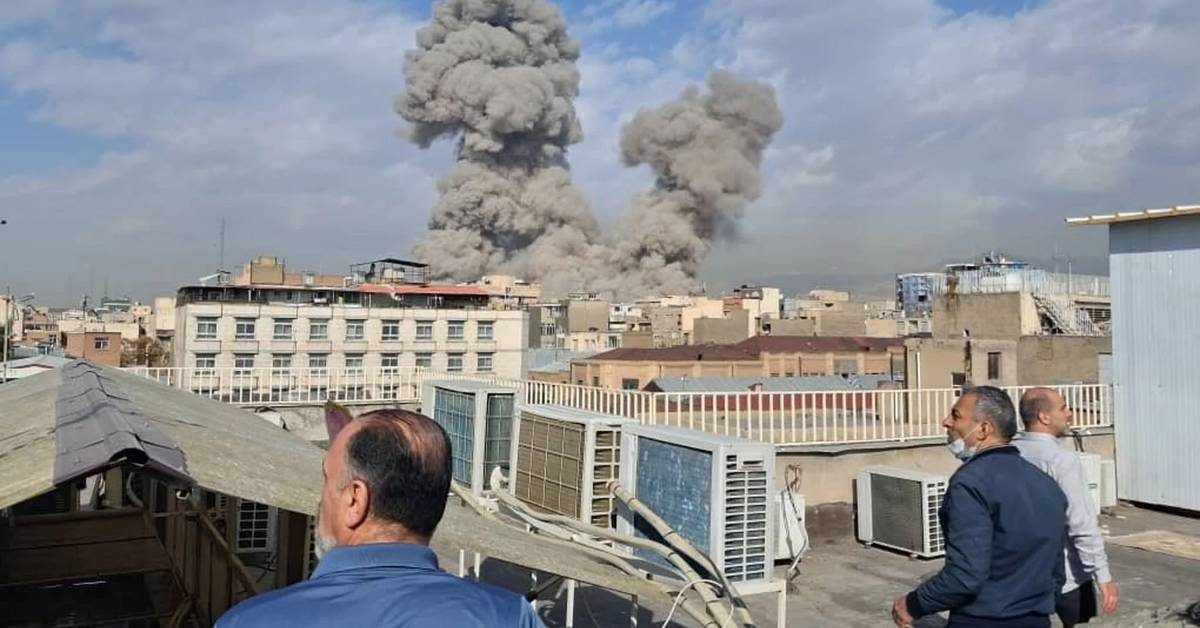
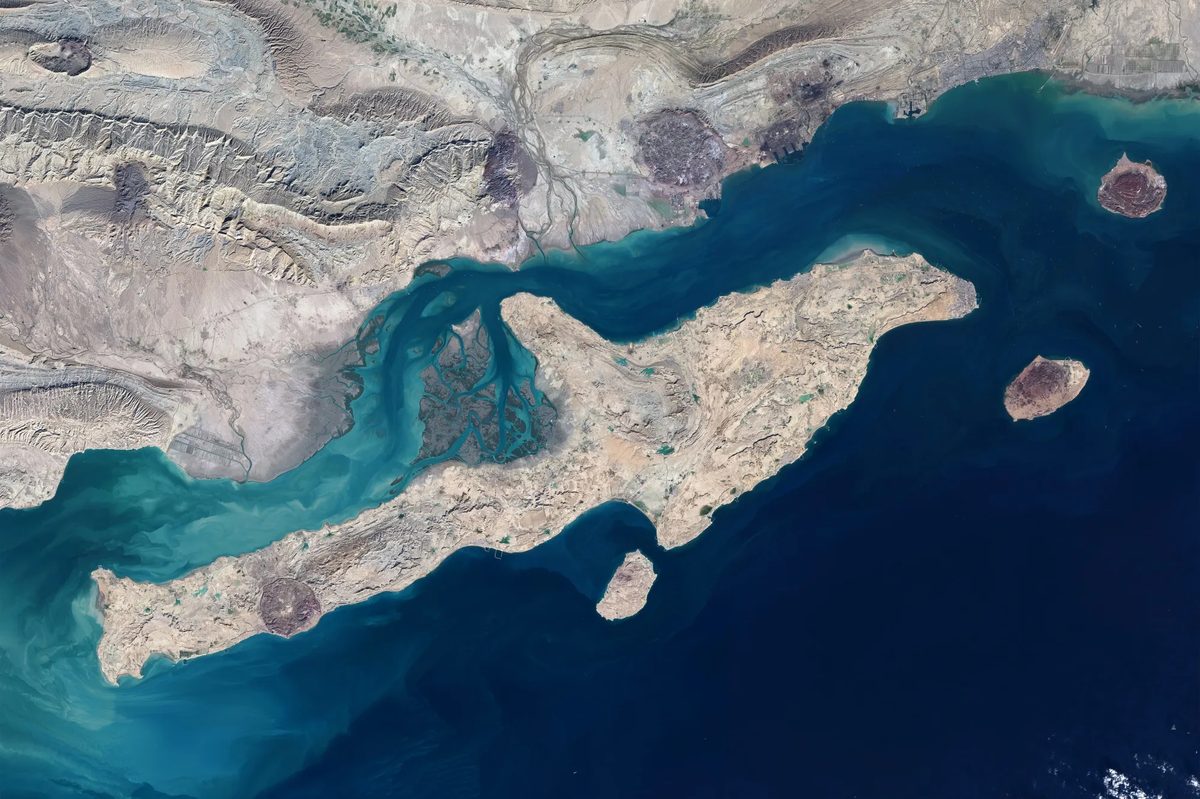
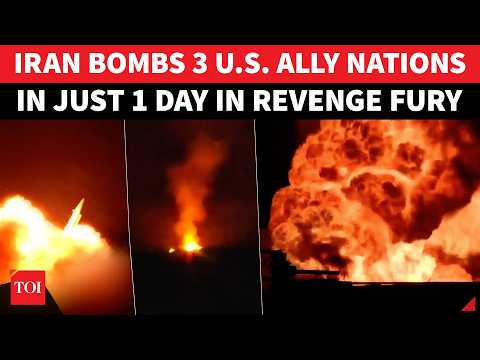
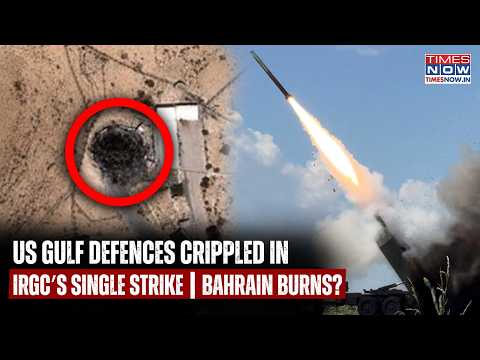
Iran fired on the US air base at Ali Al Salem in Kuwait and launched attacks on Bahrain on Wednesday, the first time Kuwait has been hit since September. The strikes came hours after American jets hit a missile launch site on Iran's Qeshm Island, at the mouth of the Strait of Hormuz.

The war began February 28 with US and Israeli strikes on Iran. Washington wants Iran's nuclear work halted; Tehran wants the naval blockade lifted and frozen assets released before any talks. Qatar is mediating between them, and the attacks on tankers have not stopped.

Why it matters

Hormuz carried about a quarter of the world's oil before Iran declared it closed. Nine months of closure and tanker strikes reach every fuel buyer.

Questions about this story

Free account needed to ask — your question is kept and asked for you right after sign-up. Answers are public.

No questions yet — be the first to ask.

Key Indicators

4+
Tankers struck since November 13
At least four merchant vessels hit in the strait in the five days before the Kuwait strike.
~25%
Hormuz share of global oil flows before the war
Roughly a quarter of world oil moved through the strait before Tehran declared it closed.
263
Days of war
From the opening US-Israeli strikes on February 28, 2026 to the Kuwait attack.
11
Crew injured on an Emirati tanker
ADNOC Logistics & Services reported 11 injuries and one crew member missing after its vessel was hit Tuesday.
3
Bahrain interceptions in one week
Bahrain said it intercepted Iranian aerial attacks for the third time in a week on Wednesday.

Voices

Curated perspectives — historical figures and your fellow readers.

Sign up to generate historical perspectives on this story.

People Involved

Organizations Involved

Timeline

2026 November 2026

8 events Latest: Today
Tap a bar to jump to that date
  1. Iran fires on a US base in Kuwait and targets Bahrain

    Today Military

    Iranian forces target drone and missile sites at Ali Al Salem base, Kuwait's first time under fire since September. Bahrain intercepts a third attack in a week.

  2. Saudi-led coalition intercepts a Houthi missile aimed at Riyadh

    Today Military

    The coalition says it downed a cruise missile launched toward the Saudi capital. The Houthis have not confirmed.

  3. US jets hit an IRGC missile site on Qeshm Island

    Military

    American aircraft strike the launch site in retaliation for Iranian attacks on US personnel and assets. Iranian media say no infrastructure was damaged.

  4. Emirati tanker hit in Hormuz; Qatar hosts Iran talks

    Shipping

    An ADNOC vessel is attacked, leaving one crew member missing and 11 injured. A Panama-flagged gas tanker is also struck. Qatari and Iranian officials meet.

  5. A new run of tanker attacks begins

    Shipping

    At least four tankers are struck in the strait over the following days, after weeks of relative quiet.

  6. US and Israel strike Iran, opening the war

    Conflict

    American and Israeli aircraft attack Iran. Tehran responds with strikes on Israel and on Gulf states hosting US bases.

  7. Iran closes Hormuz; US blockades Iran

    Blockade

    Tehran declares the strait closed. Washington imposes a naval blockade on Iran, hitting its economy and oil exports.

  8. Fighting spreads to Lebanon and Yemen

    Conflict

    Israel battles Hezbollah in Lebanon. Houthis in Yemen strike Saudi energy facilities and airports.

Scenarios

1

Qatar's shuttle diplomacy produces a signed ceasefire

Possible Resolves by Feb 28, 2027

Discussed by: Reuters; Qatari foreign ministry spokesperson Majed Al Ansari

Doha says it is narrowing the gap between the two sides' proposals. Any deal would have to square Washington's demand that Iran halt nuclear work with Tehran's demand that the blockade be lifted and frozen assets released — the two conditions each side has refused to drop. A signed framework would pause the strikes without settling either question.

2

US strikes widen beyond Iran's coastline

Possible Resolves by Jan 31, 2027

Discussed by: Hasan Al Hasan of the International Institute for Strategic Studies

Al Hasan said further escalation cannot be ruled out if Washington moves its target set from Iranian coastal military infrastructure to sites deeper inside the country. So far US strikes have been confined to the coast and islands. A strike on an inland base would mark the shift he is describing.

3

Gulf states hit back at Iran directly

Unlikely Resolves by Q1 2027

Discussed by: Kuwaiti and Saudi government statements; Al-Monitor

Kuwait said it reserves the right to take all necessary measures to protect its territory, and Saudi Arabia condemned the attacks. Both have so far confined themselves to air defense, diplomacy and allowing US forces to operate from their soil. Direct retaliation on Iranian territory would be a new phase of the war.

4

Tanker attacks keep coming while the strait stays shut

Likely Resolves by Jan 31, 2027

Discussed by: Reuters shipping reporting; The National

At least four tankers were struck in the five days before November 18, and one Emirati vessel lost a crew member. Iran has shown no sign of lifting its closure and the US blockade remains in place, which leaves commercial shipping as the most exposed target for both sides.

Historical Context

3 moments from history that rhyme with this story — and how they unfolded.

1984–1988

The Tanker War (1984–1988)

During the Iran-Iraq war, both sides attacked hundreds of merchant ships in the Gulf. Kuwait asked Washington for protection, and in 1987 the US Navy reflagged eleven Kuwaiti tankers and began convoying them under Operation Earnest Will, putting American warships directly between Iranian forces and Gulf shipping.

Then

Exchanges escalated into Operation Praying Mantis in April 1988, the largest US naval battle since World War II.

Now

Attacks on shipping and the US response helped push Iran to accept a ceasefire in July 1988.

Why this matters now

Kuwait is again the state absorbing fire while hosting US forces. The 1980s show how attacks on commercial shipping can pull outside navies into a regional war.

September 2019

Abqaiq and Khurais strikes (September 2019)

Drones and cruise missiles hit two Saudi Aramco processing plants, knocking out about 5.7 million barrels a day for several days. The US blamed Iran; Tehran denied involvement; the Houthis claimed the attack.

Then

Brent crude posted its largest one-day percentage gain on record, and Washington answered with sanctions rather than military force.

Now

Saudi Arabia restored output within weeks. The episode set a pattern: a dramatic strike, a price spike, then de-escalation.

Why this matters now

It shows how one attack on Gulf energy infrastructure can move prices far more than it changes the military balance — the opposite of what a nine-month closure does.

April–October 2024

Iran and Israel's direct exchanges (April and October 2024)

After a strike on its consulate in Damascus, Iran launched more than 300 drones and missiles at Israel in April 2024. Israel, the US, Britain and Jordan intercepted nearly all of them. Israel answered with a limited strike near Isfahan, and both sides played down the exchange. A second round in October followed the same pattern.

Then

Both governments signalled the exchanges were over, and no wider war followed.

Now

The pattern of calibrated, announced strikes became the template for Iran-Israel confrontation until the February 2026 war broke it.

Why this matters now

It is the benchmark for how Tehran and Washington used to keep escalation bounded. The current war began when that ceiling came off.

Sources

(10)