
Pull to refresh
Logo
DNA analysis identifies ancient Maine tree as a lost ancestor of American apples

DNA analysis identifies ancient Maine tree as a lost ancestor of American apples

New Capabilities

A centuries-old tree on Verona Island turns out to be a Drap d'Or de Bretagne, a French variety that helped found North American apple lineages.

2 days ago: Scientific American publishes the full detective story

Overview

Updated 1 hour ago

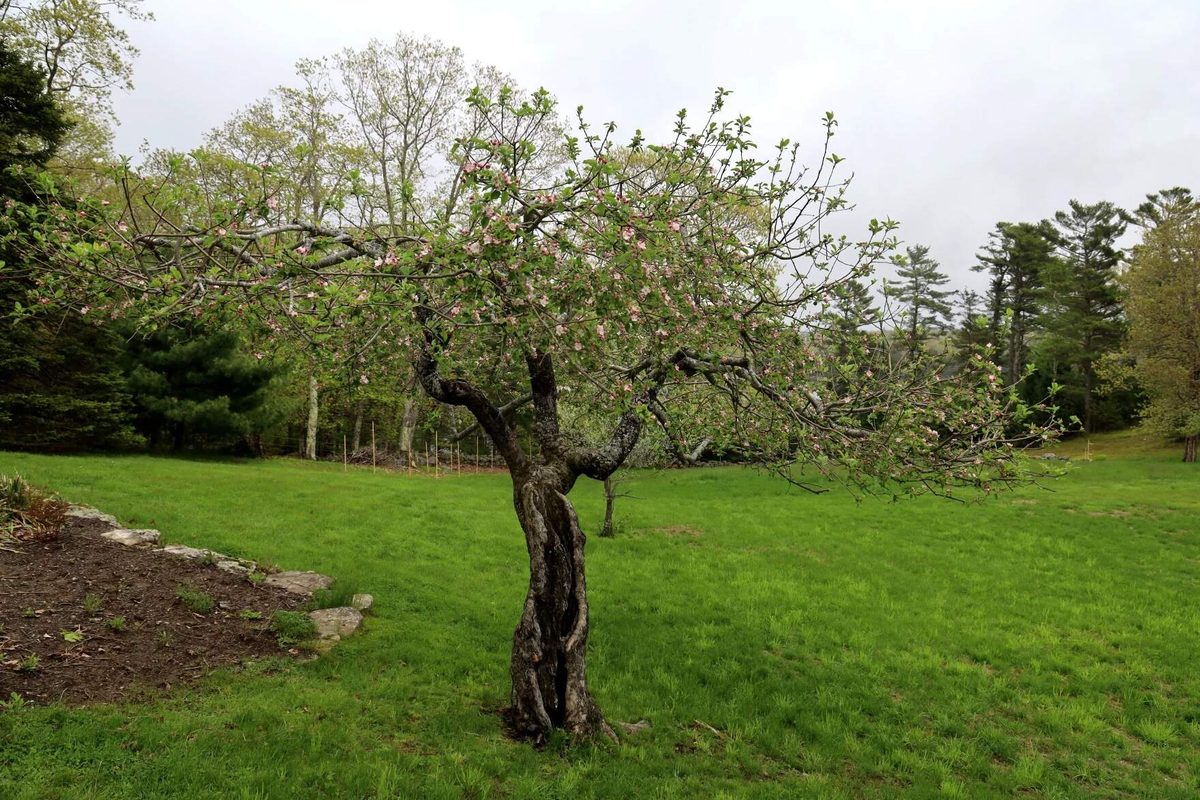
A hollow, blackened apple tree on Verona Island, Maine kept producing sweet yellow fruit through nearly two centuries of neglect. In 2023, DNA analysis identified it as a Drap d'Or de Bretagne, a variety first recorded in France in 1628 and previously unknown in North America. The tree is one of three genetic founders behind many of the continent's apple varieties.

Washington State University's Cameron Peace had predicted the tree's existence as 'Unknown Founder 13,' an ancestor whose traits appear across American apple lineages. The Maine tree matched exactly, and also matched the only known Drap d'Or in Europe. That means lost genetics for hardiness and disease resistance may live on in old orchards, usable for breeding apples that face future climate stress.

Why it matters

Rediscovered apple genetics like Drap d'Or's hardiness could protect future orchards as commercial variety diversity shrinks.

Questions about this story

Free account needed to ask — your question is kept and asked for you right after sign-up. Answers are public.

No questions yet — be the first to ask.

Key Indicators

3
Known Drap d'Or trees in North America
The Verona Island original plus two later finds in Waldo County.
1
Known Drap d'Or tree in Europe
A single surviving tree in a Danish heritage orchard.
13
Unknown Founder designation
The genetic ancestor slot the Maine tree filled in Peace's database.

Voices

Curated perspectives — historical figures and your fellow readers.

Ever wondered what historical figures would say about today's headlines?

Sign up to generate historical perspectives on this story.

People Involved

Organizations Involved

Timeline

1628 September 2026

8 events Latest: 2 days ago
Tap a bar to jump to that date
  1. Scientific American publishes the full detective story

    Latest Publication

    The magazine recounts how the Maine tree was identified and what it means for apple breeding.

  2. Two more Drap d'Or trees found in Waldo County

    Discovery

    Surveys locate additional Drap d'Or trees within 20 miles of the Verona Island original.

  3. DNA identifies the tree as Drap d'Or de Bretagne

    Science

    Results match Unknown Founder 13 and the single Danish Drap d'Or tree, confirming the Maine tree's identity.

  4. Maine sample sent for genetic testing

    Science

    Cameron Peace sends sample AMHO-504 to a commercial lab for genotyping.

  5. Apple hunters register the Verona Island find

    Discovery

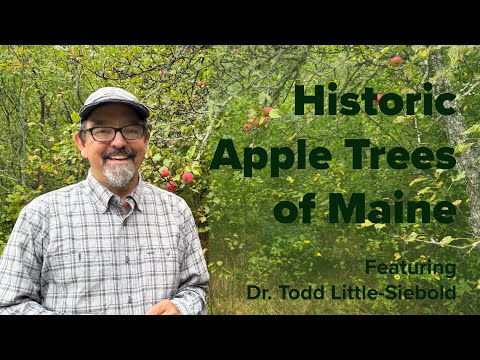
    Todd Little-Siebold and John Bunker register the tree with the Maine Heritage Orchard, suspecting it is significant.

  6. Verona Island tree likely planted

    Historical

    Subsistence farmers bought the property from Revolutionary War general Henry Knox's family and planted the tree.

  7. English pomologist praises the variety

    Historical

    Richard Weston describes Drap d'Or as 'esteemed by the curious.'

  8. Drap d'Or de Bretagne first recorded in France

    Historical

    The variety appears in French records for the first time.

Scenarios

1

More Drap d'Or trees found across North America

Likely Resolves by End of 2027

Discussed by: Cameron Peace, Maine Heritage Orchard researchers

The Waldo County finds came from targeted searching after the initial identification, suggesting other Drap d'Or trees may survive in areas settled by early French colonists. Apple hunters are now using the DNA marker to screen old trees in northern New England and Quebec.

2

Drap d'Or genetics enter commercial apple breeding

Possible Resolves by End of 2028

Discussed by: Cameron Peace, WSU apple breeding program

Peace has said the resilience genetics in surviving heritage varieties should be tapped for new cultivars. If Drap d'Or's disease resistance and hardiness prove useful, the WSU breeding program or another institution could begin crossing it with modern varieties.

3

Verona Island Drap d'Or tree dies before full study

Unlikely Resolves by End of 2028

Discussed by: Maine Heritage Orchard field reports

The tree is hollow, blackened, and contorted, described as 'the scrawniest little tree.' Despite its frail appearance, it continues to bear fruit every couple of years. Grafting has already begun to preserve its genetics, but the original tree's death would end direct study.

Historical Context

3 moments from history that rhyme with this story — and how they unfolded.

2012

European wild apple's genetic contribution (2012)

A PLOS Genetics study analyzed 839 apple accessions from China to Spain and showed that the European wild apple (Malus sylvestris) was a major secondary contributor to the domesticated apple genome, alongside the Central Asian Malus sieversii.

Then

The finding overturned the idea that apples were domesticated in a single event.

Now

It showed wild European apples interbred with cultivated varieties over centuries, shaping modern apple genetics.

Why this matters now

The genetic mixing that produced modern apples also produced founder trees like Drap d'Or. Understanding that history helps researchers trace which traits came from where.

September 2025 - September 2026

Walbridge apple rediscovery (2025-2026)

WSU graduate student Molly Brodzinski collected a leaf from an unnamed tree at Lawson Gardens in Pullman, Washington, for a class assignment. DNA testing showed it was a Walbridge apple, a variety removed from commercial markets before the 1920s and thought extinct.

Then

After the discovery was announced, people across the country sent DNA samples, and the variety was found growing in Colorado, Utah, and New Mexico.

Now

Brodzinski began grafting and crossing the heirloom variety for possible commercial reintroduction.

Why this matters now

The same WSU lab that identified the Drap d'Or tree identified the Walbridge apple. Both cases show how DNA analysis is resurrecting lost apple genetics and how citizen participation expands the search.

September 2026

Tasmanian heritage orchard revival (2026)

The University of Tasmania's Newnham campus revived a heritage-listed orchard, using new techniques to keep apple varieties that vanished from commercial markets alive.

Then

The orchard now preserves genetic diversity while maintaining connections to Tasmania's apple-growing history.

Now

It joins a global network of heritage orchards preserving apple genetics for future breeding.

Why this matters now

Heritage orchards worldwide are working to preserve apple genetics that commercial consolidation eliminated, the same conservation goal behind the Drap d'Or identification.

Sources

(5)