
Pull to refresh
Logo
Barn owl ancestors flew across the Atlantic to colonize the Americas

Barn owl ancestors flew across the Atlantic to colonize the Americas

New Capabilities

Genomic analysis of 11 museum collections shows the birds reached the Caribbean first, then spread to both continents

Overview

Updated 1 hour ago

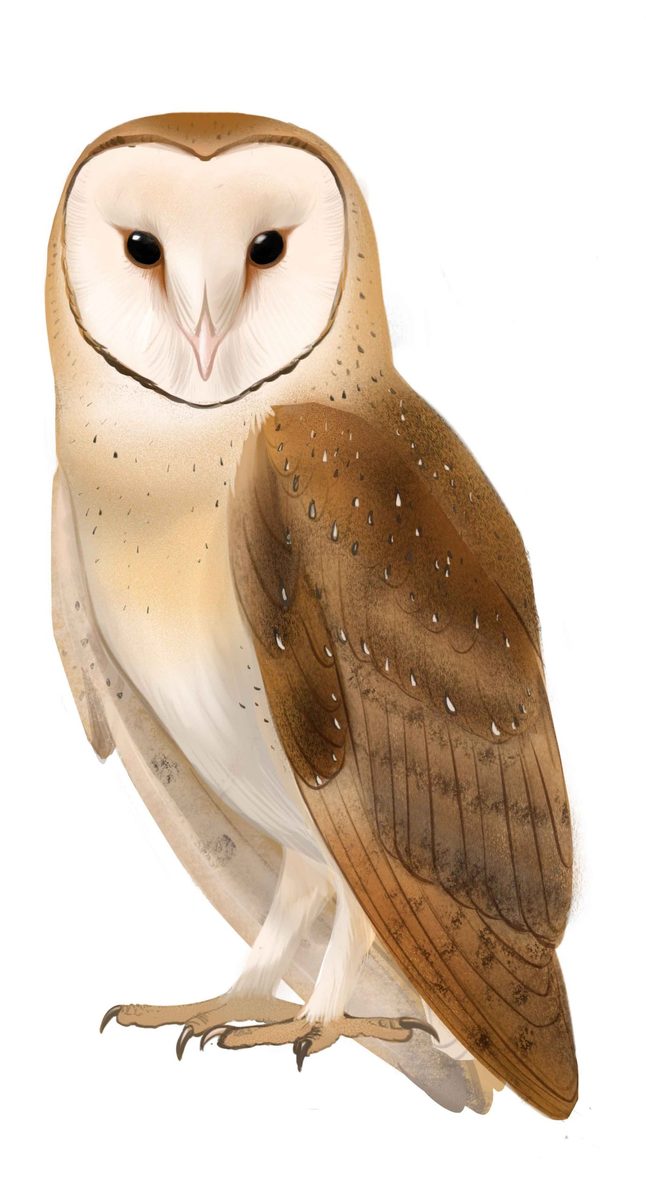
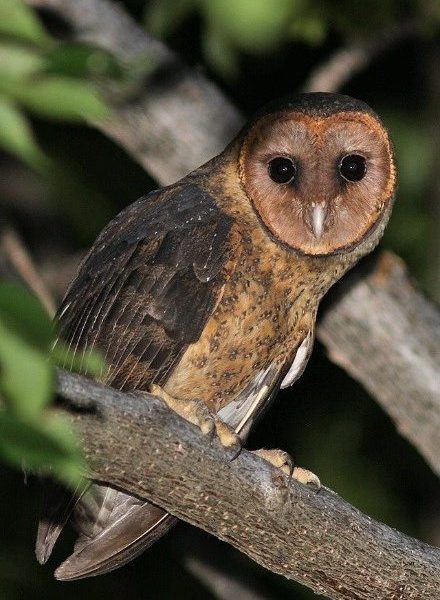
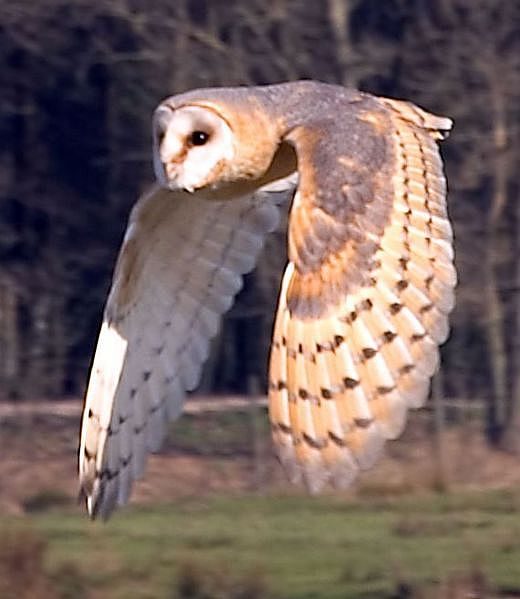
Biologists assumed barn owls reached the Americas by crossing land bridges from Asia or Europe, then spreading across the mainland. A genomic study reported in Nature on October 27 overturns that: their ancestors flew over the Atlantic from Eurasia, landed in the Caribbean first, and only later moved onto both American continents.

The finding repositions the Caribbean as the Western Hemisphere's original barn owl diversity center — not the last place the owls settled, but the place they started. Nearly all of those island species are now gone, driven extinct after humans arrived at least 6,000 years ago.

Why it matters

The finding recasts Caribbean islands as a source of continental biodiversity — and shows most of that diversity vanished after humans arrived.

Questions about this story

Free account needed to ask — your question is kept and asked for you right after sign-up. Answers are public.

No questions yet — be the first to ask.

Key Indicators

5 Ma
Divergence of Eastern and Western Hemisphere barn owls
The lineages split in the Pliocene, roughly 5 million years ago.
<2 Ma
Age of the American barn owl Tyto furcata
The study traces the species' origin to the Caribbean less than 2 million years ago.
2
Independent colonizations of the Galápagos
One lineage came from the Greater Antilles; a separate one came from South America.
11
Museums contributing specimens
DNA came from artifacts collected as far back as 1876.

Voices

Curated perspectives — historical figures and your fellow readers.

Sign up to generate historical perspectives on this story.

People Involved

Organizations Involved

Timeline

October 2026 ~6,000

4 events Latest: Yesterday
Tap a bar to jump to that date
  1. Humans reach the Caribbean islands

    Upcoming Extinction

    Human arrival began the loss of nearly all island barn owl species.

  2. Eastern and Western barn owl lineages split

    Upcoming Evolution

    Barn owls in the Americas diverged from Eurasian relatives during the Pliocene.

  3. American barn owl species originates

    Upcoming Evolution

    Tyto furcata arose in the Caribbean, the study's DNA analysis shows.

  4. Nature reports transatlantic barn owl origin

    Latest Publication

    Genomic analysis shows barn owls flew from Eurasia to the Caribbean, then to the Americas.

Scenarios

1

Ancient DNA recovered from Caribbean giant owl fossils

Possible Resolves by End of 2028

Discussed by: The study's authors, who note the giant owl question remains open due to DNA degradation

The study could not sequence the extinct giant Caribbean owls Tyto pollens and T. ostologa. Suárez & Olson previously speculated multiple colonizations based on bone shape, but no genetic data exists. New DNA extraction techniques could resolve whether these giants came from one event or several.

2

Pre-Pleistocene barn owl fossils found in the Americas

Unlikely Resolves by End of 2030

Discussed by: Paleontologists who note no pre-Quaternary Tyto fossils exist in the Western Hemisphere

The study supports a Western Hemisphere colonization within the last 2 million years. If future excavations turn up barn owl fossils older than the Pleistocene, the timing estimate would need revision. The study's authors acknowledge the absence of older fossils is suggestive but not conclusive.

3

Caribbean islands confirmed as a mainland source for other lineages

Likely Resolves by End of 2029

Discussed by: Biogeographers testing whether other organisms dispersed from Caribbean islands to continents

The study challenges the classic MacArthur-Wilson view that islands are biodiversity sinks. If other terrestrial vertebrates are found to have colonized the American mainland from Caribbean islands, the barn owl could become a model case for island-to-continent dispersal. Researchers are already applying these methods to other bird and mammal groups.

Historical Context

3 moments from history that rhyme with this story — and how they unfolded.

1967

Theory of Island Biogeography (MacArthur and Wilson, 1967)

Robert MacArthur and E.O. Wilson published "The Theory of Island Biogeography," modeling island species diversity as a balance between immigration from mainland source pools and local extinction. The framework made continents the sources and islands the sinks of biodiversity.

Then

The theory became ecology's foundational framework for islands, and later for fragmented habitats on continents.

Now

Decades of research treated islands as endpoints of dispersal, with reverse colonization from islands to continents viewed as rare.

Why this matters now

The barn owl study shows the Caribbean generated lineages that later colonized both American continents — islands acting as sources, not just sinks.

c. 1280-1450

Moa extinction in New Zealand (c. 1280-1450)

Polynesian settlers reached New Zealand around 1280 and hunted all nine moa species — flightless birds that included giants over 3 meters tall — to extinction within about two centuries.

Then

All moa species disappeared; their bones are abundant in early settlement sites.

Now

The case became the standard example of humans driving island endemic species extinct on arrival.

Why this matters now

The same pattern now applies to Caribbean barn owls: human arrival at least 6,000 years ago coincided with the loss of nearly all island Tyto species, including giants like T. pollens.

20th century

Bering Land Bridge migration model (20th century)

The Bering Land Bridge — a now-submerged connection between Siberia and Alaska exposed during ice ages — became the standard explanation for how mammals, birds, and humans reached the Americas. For barn owls, it was the assumed dispersal route.

Then

The model guided decades of paleontology; the absence of pre-Pleistocene owl fossils in the Americas was read as confirmation they arrived late by land.

Now

As DNA methods improved, many dispersal histories were revised, but an Atlantic crossing to the Caribbean was not among the anticipated routes.

Why this matters now

The barn owl study replaces the land-bridge hypothesis with a transatlantic flight that landed the owls first in the Caribbean, then on both continents.

Sources

(4)