
Pull to refresh
Logo
Australia to provide Fiji with solar-powered maritime surveillance drones

Australia to provide Fiji with solar-powered maritime surveillance drones

New Capabilities

Bluebottle uncrewed boats and training target Pacific drug trafficking under a A$600 million regional initiative

Today: Australia announces Fiji Bluebottle drone deal

Overview

Updated 2 hours ago

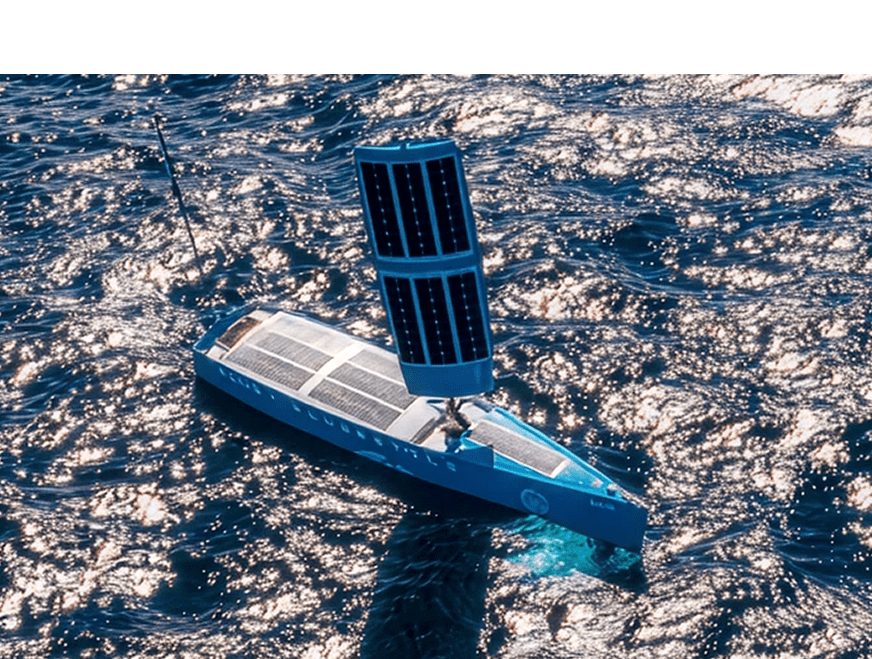
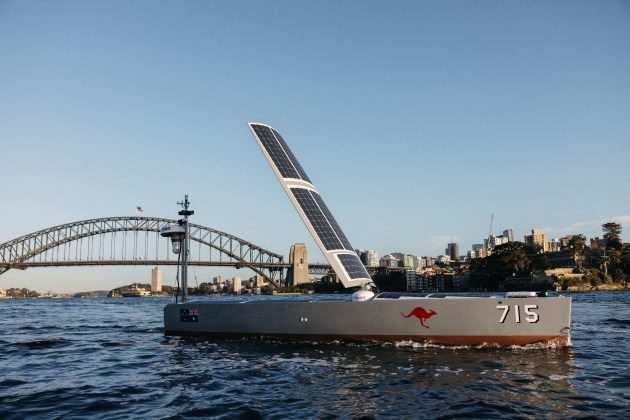
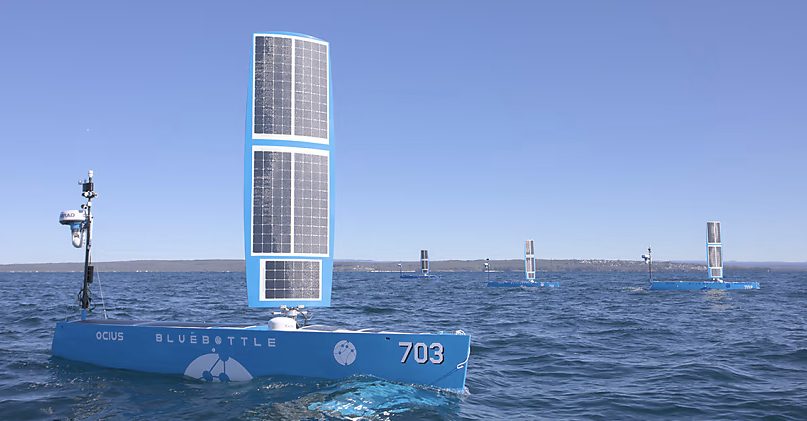
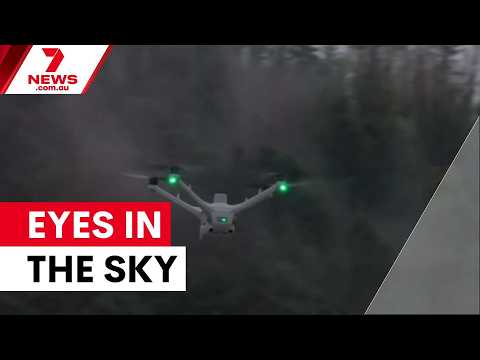
Australia will hand Fiji a fleet of solar-, wind- and wave-powered surveillance drones that can stay at sea for months, aimed at the Pacific's surging drug trade. The uncrewed boats, built by Sydney firm Ocius, carry sonar and radar that detect surface vessels and submarines while staying nearly invisible themselves.

The deal is the first deployment under the Waqa Moana initiative, a A$600 million Pacific-led program announced in September to combat organized crime. Fiji approved its maritime security strategy a day earlier, responding to a surge in methamphetamine and cocaine trafficking through the region. Australia has not disclosed how many drones Fiji will receive, saying the number would tip off drug smugglers.

Why it matters

Pacific nations can't police millions of square kilometres of ocean alone; drones give Fiji months-long surveillance reach against drug routes.

Questions about this story

Free account needed to ask — your question is kept and asked for you right after sign-up. Answers are public.

No questions yet — be the first to ask.

Key Indicators

A$600M
Waqa Moana pledge for Pacific maritime security
Announced by Australia at the Pacific Islands Forum in Palau in September 2026.
55
Bluebottle drones in Australia's fleet
15 in Navy service now; a A$176 million March 2026 deal added 40 more.
180+ days
Maximum time a Bluebottle can patrol at sea
Powered by a solar mast and wind; Navy chief Matt Buckley says they can survive cyclones.

Voices

Curated perspectives — historical figures and your fellow readers.

Ever wondered what historical figures would say about today's headlines?

Sign up to generate historical perspectives on this story.

People Involved

Organizations Involved

Timeline

March 2026 October 2026

6 events Latest: Today
Tap a bar to jump to that date
  1. Australia announces Fiji Bluebottle drone deal

    Today Announcement

    Drones and training to be supplied to Fiji; Ocius opens new Sydney factory. First deployment expected early 2027.

  2. Fiji approves maritime security strategy

    Policy

    Strategy targets transnational crime, including methamphetamine and cocaine trafficking.

  3. Australia pledges A$600 million Waqa Moana initiative

    Policy

    Pacific-led program announced at Pacific Islands Forum in Palau to fight organised crime at sea.

  4. Australia and Fiji sign Ocean of Peace Treaty

    Treaty

    Mutual defence pact, Australia's fourth alliance and Fiji's first.

  5. China tests ballistic missile in South Pacific

    Military

    Missile test conducted hours after Australia-Fiji treaty signing.

  6. Australia orders 40 more Bluebottle drones

    Acquisition

    Government signs A$176 million agreement, bringing Navy fleet to 55 drones.

Scenarios

1

Fiji's Bluebottle force goes operational in 2027

Likely Resolves by End of 2027

Discussed by: Australian Defence Ministry officials; AFP and Straits Times reporting

Minister Conroy confirmed the first drone will reach Fiji early 2027, with the full contingent following as Ocius scales up production. Fiji operates the drones as sovereign assets and decides whether navy or police command them. A working deployment confirms the Waqa Moana model is viable.

2

Waqa Moana spreads to Vanuatu and Solomon Islands

Possible Resolves by End of 2027

Discussed by: Minister Conroy's direct bilateral cooperation remarks naming Vanuatu and Solomon Islands

Conroy named Fiji, Solomon Islands and Vanuatu as direct bilateral partners under Australia's Pacific maritime security programs. If the Fiji drone deployment succeeds and Ocius production ramps up, similar deals for other island states likely follow within the A$600 million commitment.

3

China counters with rival Pacific security agreements

Possible Resolves by End of 2027

Discussed by: Strategic context from the Ocean of Peace Treaty and China's July 2026 South Pacific missile test

China tested a ballistic missile in the South Pacific hours after Australia and Fiji signed their mutual defence pact. The regional competition may push China to offer its own security, policing or surveillance assistance to Pacific nations, reshaping the security balance the drone deal is meant to address.

Historical Context

2 moments from history that rhyme with this story — and how they unfolded.

1987–present

Pacific Patrol Boat Programme (1987–present)

Australia began supplying patrol boats to Pacific Island nations in the 1980s, extending the fleet through the current Guardian-class vessels. According to Minister Conroy, Australia now provides these boats to almost every Pacific nation under the Pacific Maritime Surveillance Program.

Then

Pacific states gained crewed patrol capability to police fisheries and smuggling waters they could not watch alone.

Now

Established Australia as the region's primary maritime security provider, a role the Bluebottle drone deal now extends to uncrewed platforms.

Why this matters now

The drone deal follows the same institutional pattern: Australia supplies maritime capability, Pacific nations operate it under their own command. Bluebottles add months-long endurance that crewed boats cannot match.

July 2026

China's South Pacific ballistic missile test (July 2026)

Hours after Australia and Fiji signed the Ocean of Peace Treaty, China conducted a ballistic missile test in the South Pacific. The test was widely read as signalling Beijing's opposition to the new defence pact.

Then

Raised the strategic stakes of the Australia-Fiji alliance and highlighted Pacific nations' position between two great powers.

Now

Set the backdrop for the Waqa Moana initiative, which pairs maritime security with the region's broader geopolitical competition.

Why this matters now

The drone deal is not purely about drug interdiction; it is also a capability transfer that bolsters Fiji's surveillance reach within a contested region.

Sources

(11)