

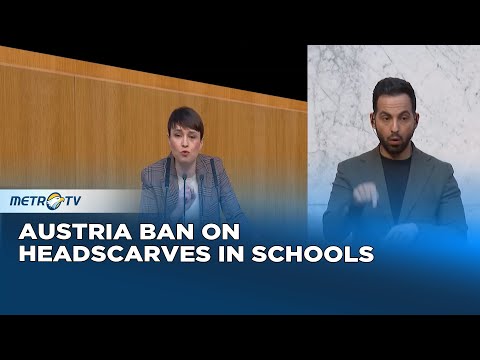
Austria's headscarf ban for under-14s takes effect as schools reopen
Rule ChangesSecond attempt to ban the hijab in Austrian schools, after the first was struck down in 2020
Today: Schools reopen; enforcement begins; new challenge filedNew here? Follow stories to track developments over time. Create a free account to get updates when stories you care about change.
Overview
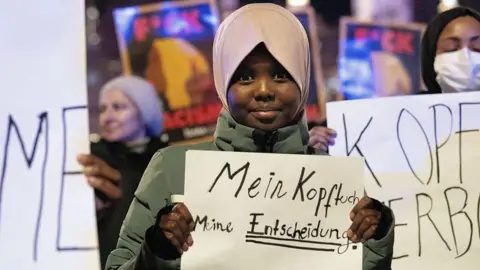
Updated 58 minutes agoThe first school day in Vienna now includes checks for headscarves. Austria's ban on hijabs for girls under 14 took effect as classes resumed in the east of the country, with fines up to €800 for repeat violations.
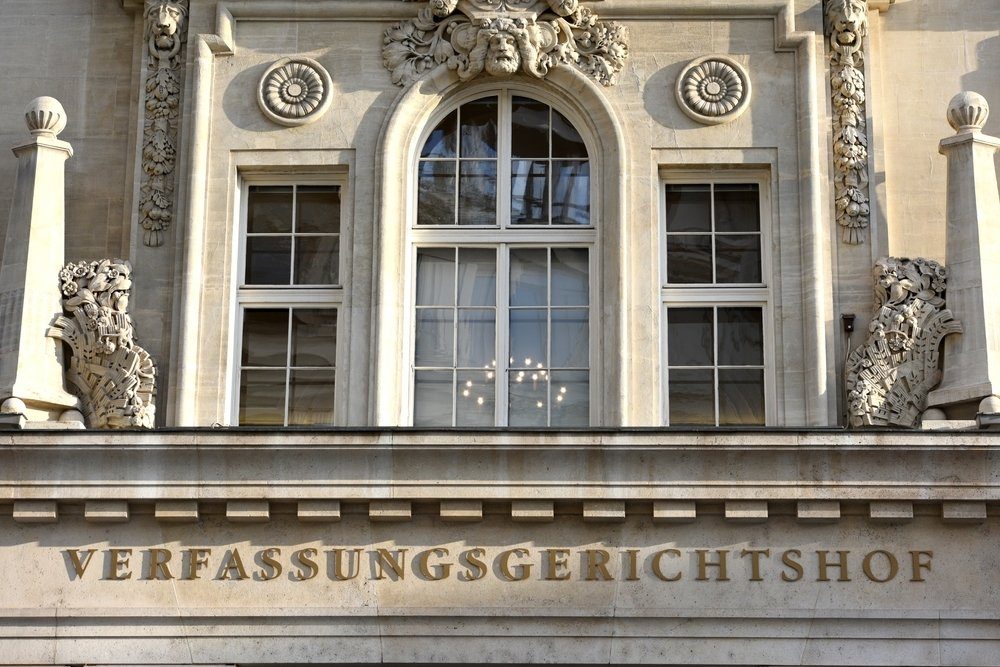
This is Austria's second attempt at such a ban. Its highest court struck down a 2019 primary-school version in 2020 for breaching religious neutrality, and a fresh legal challenge reached the same court on day one. The outcome will shape whether similar laws survive across Europe.
Why it matters
Austria's highest court struck down one hijab ban in 2020. This second law may decide whether school hijab bans survive anywhere in Europe.
Questions about this story
Free account needed to ask — your question is kept and asked for you right after sign-up. Answers are public.
No questions yet — be the first to ask.
Key Indicators
Voices
Curated perspectives — historical figures and your fellow readers.
Play
Exploring all sides of a story is often best achieved with Play.
WHO SAID WHAT?
Can you match the quotes to the right people?
- points for each correct match.
- time bonus when you answer in under seconds.
- streak bonus once you hit correct in a row.
— Who said this?
Tip: press 1– to answer.
points — sign up to put that on the leaderboard.
Higher or Lower
A number from this story, against one from elsewhere in the news — guess which is bigger, then keep the chain going. 5 rounds, 3 strikes; a miss costs a strike and resets your streak.
Keyboard: ↓/L lower · ↑/H higher
0 points — sign up to put that on the leaderboard.
Connections
Sixteen names from the news. Find the four hidden groups of four. Four mistakes max.
Sign up to keep a daily streak — a new puzzle lands every day.
Exit debate?
Your progress in this debate will be lost.
- 1 Two AI personas square off on this story.
- 2 You predict who'll win each round — correct picks earn XP.
- 3 One crossfire question is yours to fire. Pick it carefully.
Couldn't generate a topic
Select Your Champions
Choose one persona for each side of the debate
DEBATE TOPIC
Choose personas with different perspectives for a more dynamic debate.
Select debater for this side:
No debate personas available right now.
Select debater for this side:
No debate personas available right now.
Who's Got This Round?
Make your prediction before the referee scores
The referee scores both sides on
Round Results
Set the Crossfire
Pick the question both personas must answer in the final round
Debate Oracle! You called every round!
Sharp Instincts! You know your debaters!
The Coin Flip Strategist! Perfectly balanced!
The Contrarian! Bold predictions!
Inverse Genius! Try betting the opposite next time!
XP Breakdown
Prediction History
People Involved
Organizations Involved
The official body representing Muslims in Austria and the main organized opponent of the ban.
Austria's highest court, which struck down the 2019 primary-school headscarf ban in 2020.
Three-party coalition of the ÖVP, SPÖ, and NEOS that passed the headscarf ban in December 2025.
Timeline
December 2025 September 2026
-
Schools reopen; enforcement begins; new challenge filed
Today EnforcementClasses resume in Vienna, Lower Austria, and Burgenland. Two girls and their mother file a new constitutional application on day one.
-
Ban enters into force
LegalThe headscarf ban legally takes effect across all Austrian schools.
-
Constitutional Court rejects early challenges
Court rulingThe VfGH dismisses the March applications as inadmissible because the law is not yet in force.
-
First court challenges filed
LegalFive girls aged 9–12 and their parents submit individual applications to the Constitutional Court.
-
Parliament passes headscarf ban for under-14s
LegislationAustrian lawmakers approve the ban with fines from €150 to €800 for repeat violations.
Historical Context
3 moments from history that rhyme with this story — and how they unfolded.
France's 2004 school headscarf ban
France banned conspicuous religious symbols, including hijabs, in public schools under its secularism doctrine (laïcité). The law has survived legal challenges for more than two decades.
Thousands of students faced expulsion or left public schooling; most observed the ban.
France became the reference model for school headscarf bans in Europe, with broad public acceptance and court survival.
It is the closest existing example of a national school hijab ban that withstood legal review — the standard Austria's court must now weigh against its own stricter neutrality doctrine.
European face-covering bans (France 2010, Denmark 2018)
France banned face coverings in public spaces, and Denmark followed in 2018. Both laws applied to all face veils (niqab, burqa) rather than targeting a single religion's practice explicitly.
Fines and enforcement focused overwhelmingly on Muslim women; the laws drew international condemnation.
European courts upheld blanket face-covering bans while signaling that laws singling out religious practice face tougher scrutiny.
Austria's ban restricts one specific religious garment worn by under-14s — narrower than these laws, which is exactly the vulnerability opponents argue makes it unconstitutional.
Austria's first headscarf ban, struck down (2019–2020)
Austria's parliament banned headscarves in primary schools, citing integration and child protection. The Constitutional Court struck the law down in December 2020, ruling it breached religious neutrality and treated one religious practice differently from others.
The ban never effectively applied; Muslim families in affected states resumed schooling unchanged.
The ruling established that Austria's constitution bars singling out Muslim head coverings in schools without an accepted justification.
The new law is a direct second attempt, and opponents are citing the same 2020 ruling as precedent for why it must fail.
