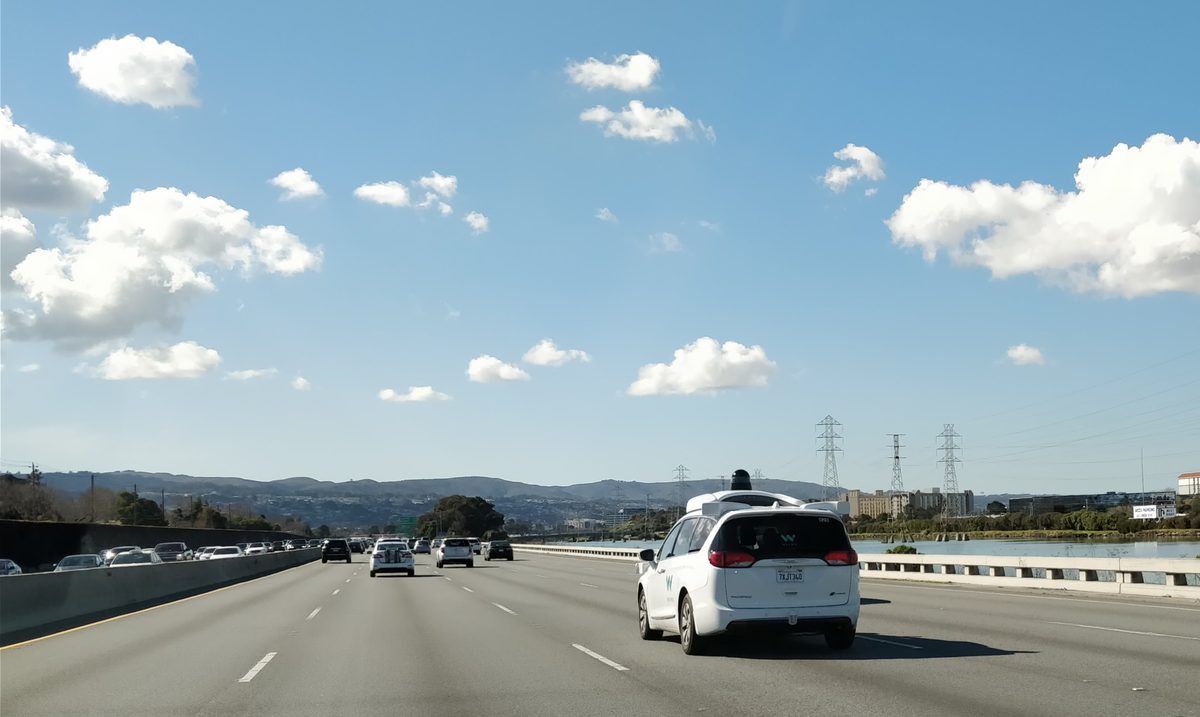
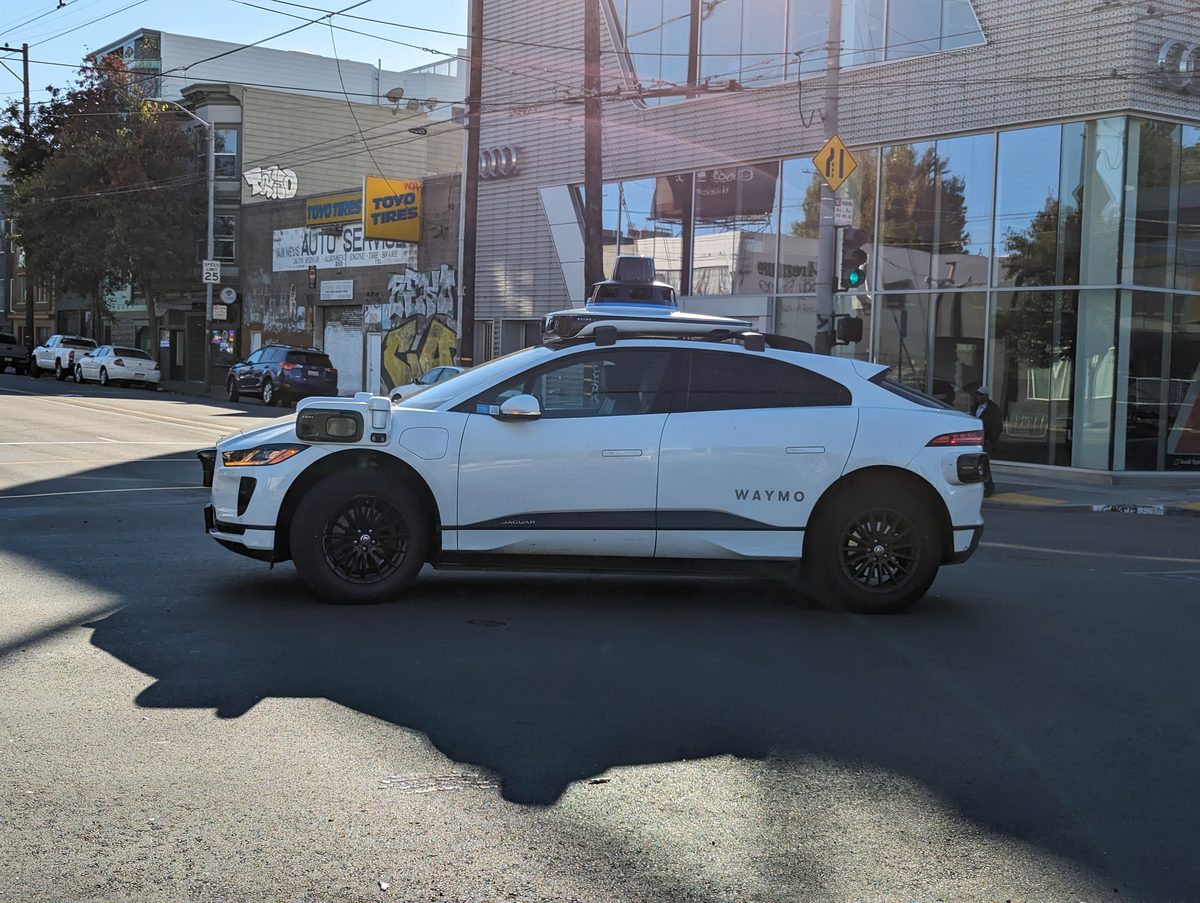
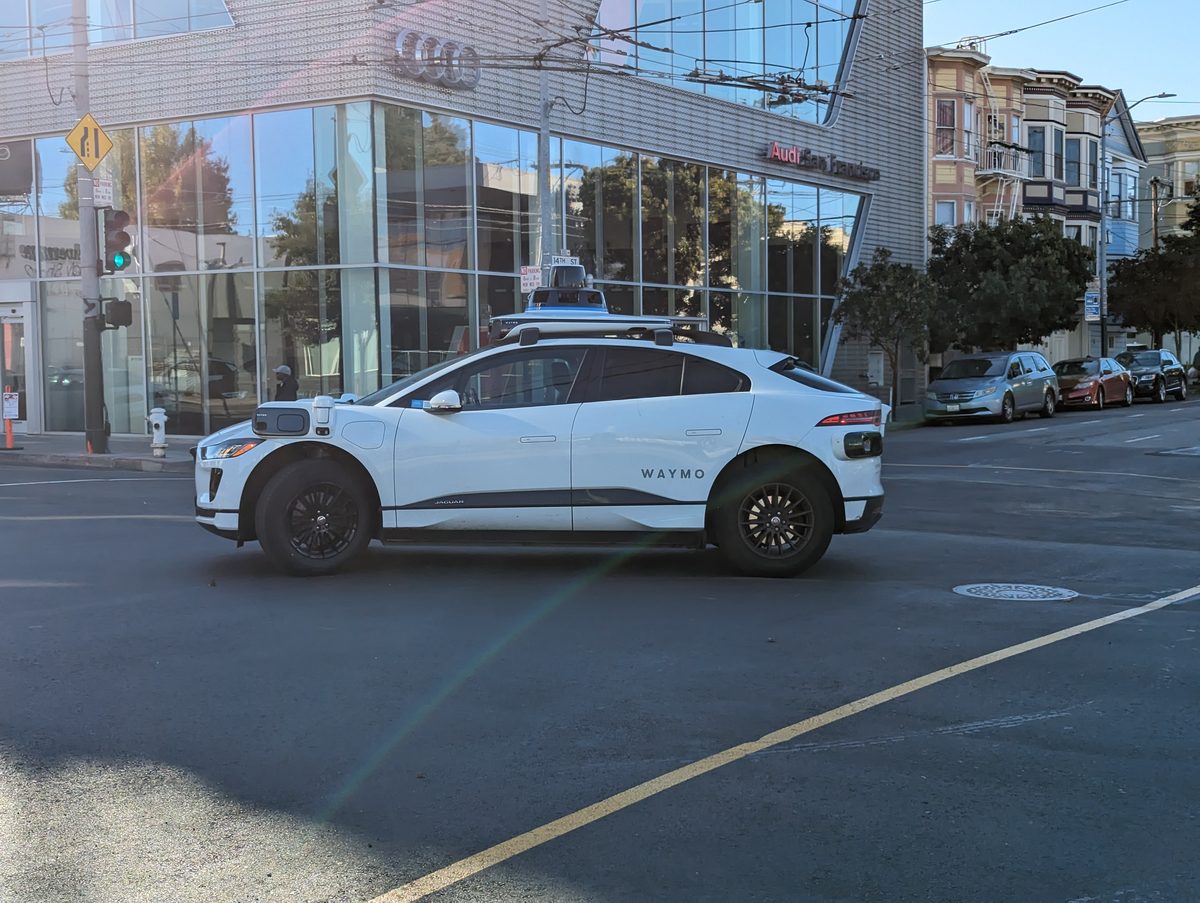
For years, autonomous vehicle companies kept a basic operational question unanswered: how many humans does it actually take to run a driverless fleet? On February 4, 2026, Waymo's chief safety officer told a Senate committee the number: roughly 70 remote agents oversee more than 3,000 vehicles in six American cities at any given moment—a ratio of about one per 43 robotaxis.
The ratio itself is a milestone for the autonomous vehicle industry, demonstrating that driverless fleets can scale without proportional growth in human oversight. But the hearing revealed that approximately half those agents work from the Philippines, raising bipartisan concern over cybersecurity, national security, and transparency. How Waymo staffs its operations is increasingly consequential as the company nearly doubles its city count in 2026 and secures $16 billion in new funding at a $126 billion valuation.
Questions about this story
Free account needed to ask — your question is kept and asked for you right after sign-up. Answers are public.
No questions yet — be the first to ask.
Key Indicators
~70
Remote agents on duty at any time
The number of human fleet response agents overseeing Waymo's entire operational fleet at any given moment
1:43
Agent-to-vehicle ratio
Each on-duty agent oversees approximately 43 vehicles simultaneously
3,000+
Active robotaxis
Waymo's fleet operating across six United States cities as of early 2026
450,000+
Weekly paid rides
Up from roughly 175,000 at the start of 2025, a 157% increase in twelve months
$126B
Valuation
Post-money valuation after Waymo's $16 billion funding round closed in early 2026
85%
Fewer injury-reported crashes
Waymo's any-injury crash rate is 0.41 per million miles versus 2.80 for human drivers
15 events
Latest: February 18th, 2026 · 8 months ago
Showing 8 of 15
JK to step
Tap a bar to jump to that date
Jump to
February 2026
Markey opens investigation into remote operator practices
LatestInvestigation
Senator Markey writes to seven autonomous vehicle companies demanding details about their remote operator systems, including where operators are located, how often they intervene, and what qualifications they hold.
Waymo begins deploying Ojai robotaxis
Deployment
Waymo starts offering rides on its next-generation Ojai vehicles to employees and guests in San Francisco and Los Angeles, ahead of a broader public rollout later in 2026.
Waymo discloses 70-person oversight of 3,000-vehicle fleet
Disclosure
At a Senate Commerce Committee hearing titled "Hit the Road, Mac," Waymo Chief Safety Officer Mauricio Peña reveals that approximately 70 remote agents oversee the company's entire fleet at any given time, with roughly half based in the Philippines. Senator Ed Markey calls the overseas arrangement "completely unacceptable."
January 2026
Waymo unveils Ojai, its next-generation robotaxi
Product
At CES 2026, Waymo introduces the Ojai — a purpose-built electric robotaxi developed with Chinese automaker Zeekr, featuring 42% fewer sensors and faster charging than its current Jaguar fleet.
December 2025
Waymo raises $16 billion at $126 billion valuation
Funding
Waymo closes its largest funding round, led by Dragoneer, DST Global, and Sequoia Capital, nearly tripling its valuation in just over a year.
Waymo reaches 450,000 weekly rides
Milestone
Waymo's ride volume grows 157% over the course of 2025, from roughly 175,000 to over 450,000 paid rides per week across six cities.
June 2025
Tesla launches limited robotaxi service in Austin
Industry
Tesla begins offering autonomous rides in Austin, Texas, though with a human safety monitor in the front passenger seat — a constraint Waymo eliminated years earlier.
December 2024
General Motors shuts down Cruise robotaxi program
Industry
After accumulating more than $10 billion in operating losses, GM exits the robotaxi market entirely and redirects Cruise resources toward driver-assistance technology for personal vehicles.
October 2024
Waymo raises $5.6 billion at $45 billion valuation
Funding
Waymo closes its Series C funding round, with Alphabet committing $5 billion of the total.
October 2023
Cruise robotaxi drags pedestrian in San Francisco
Incident
A General Motors Cruise robotaxi strikes and drags a pedestrian in San Francisco, triggering investigations, permit revocations, and an eventual shutdown of Cruise's robotaxi program.
December 2018
Waymo launches commercial robotaxi service
Milestone
Waymo One begins offering paid autonomous rides in the Phoenix metropolitan area, becoming the world's first commercial robotaxi service.
September 2017
House passes SELF DRIVE Act unanimously
Legislation
The United States House of Representatives unanimously passes the SELF DRIVE Act to create a federal framework for autonomous vehicles. The Senate companion bill later fails.
December 2016
Google's project becomes Waymo
Corporate
The self-driving car project spins out of Google as a standalone subsidiary of Alphabet, named Waymo.
January 2009
Google self-driving car project launches
Development
Google begins its autonomous vehicle program under Sebastian Thrun, challenging engineers to drive ten 100-mile routes without human intervention.
October 2005
Stanford wins DARPA Grand Challenge
Origin
Sebastian Thrun's Stanford Racing Team wins the DARPA Grand Challenge with their autonomous vehicle Stanley, completing a 132-mile desert course. Google co-founder Larry Page attends the race, setting the stage for Google's future self-driving program.
Scenarios
1
Congress passes first federal autonomous vehicle law
Possible
Discussed by: Senate Commerce Committee Chairman Ted Cruz, Autonomous Vehicle Industry Association, multiple industry analysts
The bipartisan interest shown at the February 4 hearing — Cruz wanting to clear regulatory obstacles, Markey wanting safety standards — creates a legislative opening. A federal framework could preempt the current patchwork of state laws, set national safety standards, and include requirements for transparency about remote operations, including where operators are based and how often they intervene. This would accelerate Waymo's planned expansion into ten or more additional cities.
2
Remote operations come under formal regulation
Possible
Discussed by: Senator Ed Markey, cybersecurity analysts cited by SecureWorld, Senate Commerce Committee members
Markey's investigation into seven autonomous vehicle companies could produce legislation specifically targeting remote assistance operations — requiring domestic-only operators, minimum cybersecurity standards, or disclosure mandates. If enacted, this would force Waymo and competitors to restructure their operations, potentially increasing costs. Tesla's recent admission that it also relies on remote operators suggests any such rules would reshape the entire industry, not just Waymo.
3
Waymo reaches 1 million weekly rides as competition narrows
Likely
Discussed by: Waymo co-CEO Dmitri Dolgov, industry analysts at The Driverless Digest, Wall Street analysts covering Alphabet
With Cruise eliminated, Tesla still using safety monitors, and $16 billion in fresh capital, Waymo faces a window of limited competition. Its co-CEO has publicly targeted 1 million weekly trips in 2026. The Ojai vehicle's lower cost and faster charging could enable rapid fleet growth. If the 1:43 agent-to-vehicle ratio holds or improves as the fleet doubles, Waymo would demonstrate that autonomous fleets scale more efficiently than traditional ride-hailing — potentially reshaping the economics of urban transportation.
4
Safety incident or cybersecurity breach forces operational overhaul
Unlikely
Discussed by: Senator Markey, cybersecurity researchers, autonomous vehicle safety advocates
A serious safety incident linked to remote operator lag, miscommunication, or a cybersecurity breach involving overseas systems could force Waymo to reshore its entire remote operations workforce and submit to new regulatory oversight. The existing Santa Monica incident — where a Waymo vehicle struck a child — already provides critics with ammunition, even though Waymo argues its system performed better than a human driver would have. A more severe event could stall the broader industry's expansion timeline.
Historical Context
3 moments from history that rhyme with this story — and how they unfolded.
1 of 3
August 1981
PATCO air traffic controllers strike (1981)
Over 11,300 air traffic controllers walked off the job in a dispute over working conditions and pay. President Reagan fired them all within 48 hours and banned them from federal service for life. The Federal Aviation Administration rebuilt operations with supervisors, military controllers, and new hires while managing roughly 14,000 daily commercial flights.
Then
Air traffic capacity dropped roughly 25% for months. The FAA accelerated adoption of automated tracking and collision-avoidance systems to compensate for fewer controllers.
Now
The controller-to-aircraft ratio never returned to pre-strike levels even as flight volumes grew. Automation steadily absorbed routine monitoring tasks, establishing a model where fewer humans oversee more vehicles through better technology.
Why this matters now
Waymo's 1:43 agent-to-vehicle ratio echoes the post-PATCO dynamic: technology absorbing routine oversight while humans handle exceptions. The key question — whether fewer humans per vehicle means less safety or better-designed systems — is the same one the aviation industry answered over four decades.
2 of 3
October 2023 - December 2024
Cruise pedestrian-dragging incident and shutdown (2023-2024)
A General Motors Cruise robotaxi struck a pedestrian in San Francisco who had been knocked into its path by another vehicle, then dragged her 20 feet while attempting to pull over. Investigations revealed Cruise had shown regulators an edited video that omitted the dragging. California revoked Cruise's driverless permit, GM's internal probe found cultural and leadership failures, and in December 2024 GM shut down Cruise's robotaxi program entirely after $10 billion in cumulative losses.
Then
Cruise laid off half its workforce — roughly 1,000 people — and halted all driverless operations across the United States.
Now
GM redirected autonomous driving resources toward driver-assistance features for personal vehicles. Cruise's exit left Waymo as the dominant commercial robotaxi operator in the country, with no comparable-scale competitor.
Why this matters now
Cruise's collapse demonstrates the fragility of public and regulatory trust in autonomous vehicles. Waymo's decision to disclose its remote operations model — even at the cost of a contentious hearing — reflects lessons from Cruise's attempt to minimize transparency, which ultimately proved fatal to the program.
3 of 3
2018 - present
Outsourced content moderation controversy at social media companies (2018-present)
Reporting by multiple outlets revealed that Facebook, YouTube, and TikTok relied heavily on contractors in the Philippines, Kenya, and other countries to moderate content — making safety-critical decisions about violent or harmful material for American platforms at a fraction of United States labor costs. Workers described inadequate training, psychological trauma, and pay as low as $1.50 per hour.
Then
Congressional hearings and public backlash led to incremental improvements in contractor working conditions but no fundamental restructuring of the outsourcing model.
Now
The practice continued and expanded. Lawmakers proposed but did not pass legislation requiring transparency about where and how content moderation decisions are made, establishing the template for Senator Markey's current push on autonomous vehicle remote operators.
Why this matters now
The parallel is direct: safety-critical decisions for American users, made by overseas workers, disclosed only under congressional pressure. The political dynamics — outsourcing as a cost question versus a safety and sovereignty question — map closely onto the current debate over Waymo's Philippines-based fleet agents.