
Pull to refresh
Logo
BAE Systems to build spacecraft bus for NASA's PRIMA far-infrared telescope

BAE Systems to build spacecraft bus for NASA's PRIMA far-infrared telescope

New Capabilities

NASA's first Probe Explorers mission enters preliminary design, aiming for a 2033 launch

Overview

Updated 9 minutes ago

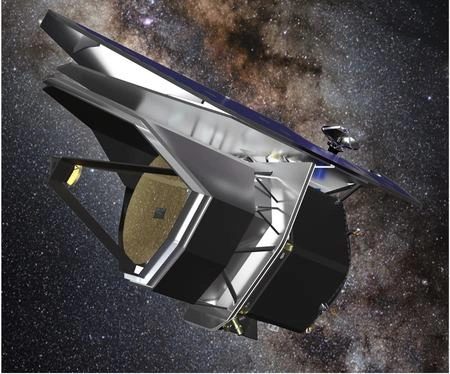
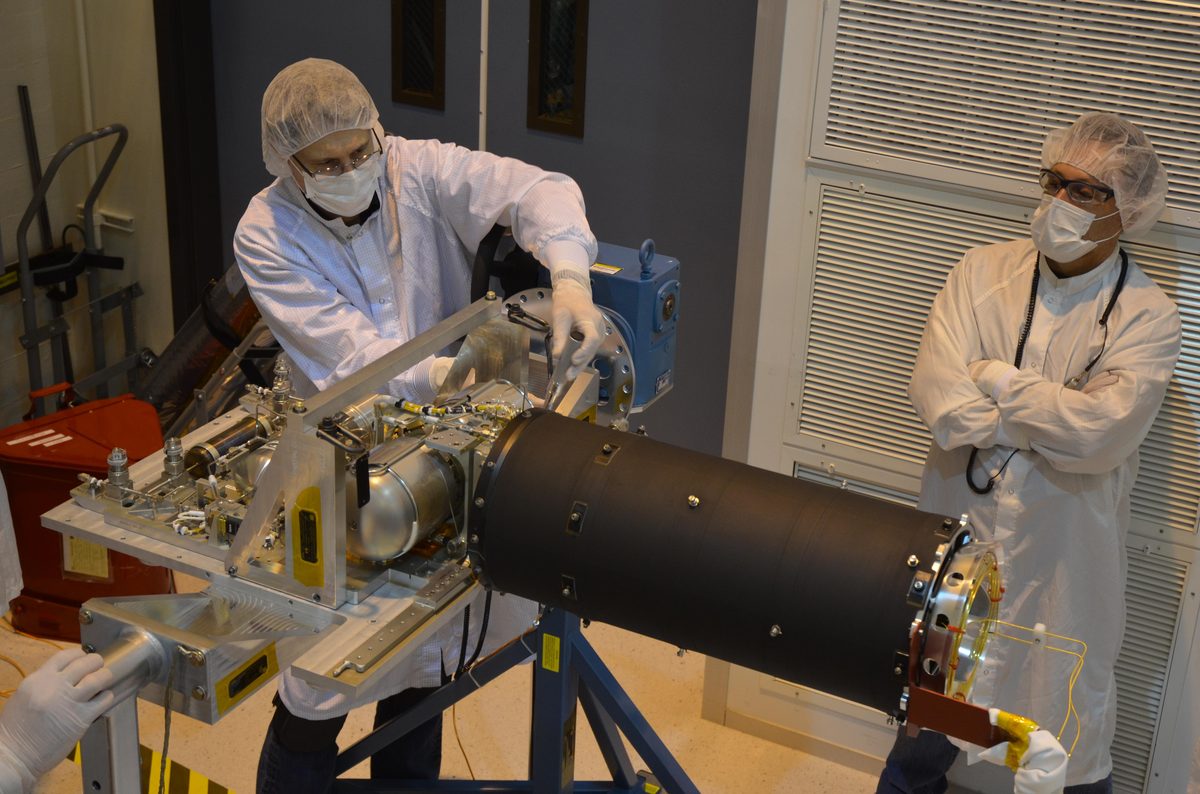
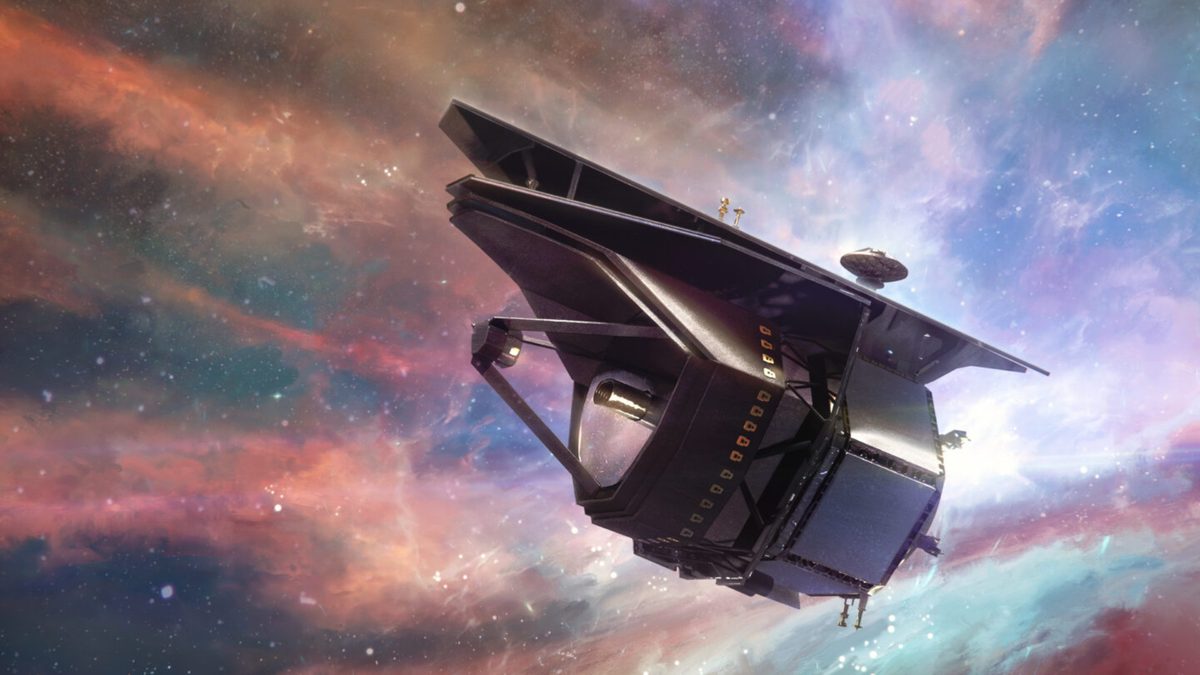
NASA's next astrophysics telescope will see the universe in far-infrared light, a wavelength no space observatory has covered since 2013. On Nov. 13, BAE Systems said it will build the spacecraft bus and assemble the observatory for PRIMA, the first mission in NASA's new Probe Explorers class.

PRIMA is capped at $1.2 billion for the project, excluding launch, and is targeted to launch in 2033 for a five-year mission. Its 1.8-meter telescope is designed to observe through cosmic dust, filling the gap between the James Webb Space Telescope and ground-based radio arrays.

Why it matters

A $1.2 billion telescope that sees through cosmic dust could show how water and planets formed, a window closed since 2013.

Questions about this story

Free account needed to ask — your question is kept and asked for you right after sign-up. Answers are public.

No questions yet — be the first to ask.

Key Indicators

$1.2B
PRIMA project cost cap
Excludes launch and other non-project costs.
1.8 m
Telescope diameter
The aperture PRIMA will use for far-infrared surveys.
4.5 K
Telescope operating temperature
Colder than JWST, to cut background infrared noise.
2033
Target launch year
Planned five-year mission after a confirmation review.

Voices

Curated perspectives — historical figures and your fellow readers.

Sign up to generate historical perspectives on this story.

People Involved

Organizations Involved

Timeline

2020 November 2026

3 events Latest: 2 days ago
  1. BAE Systems named PRIMA spacecraft partner

    Latest Contract

    BAE will supply the Evolve+ bus and lead observatory assembly, integration and test.

  2. NASA selects PRIMA as first Probe Explorers mission

    Selection

    PRIMA advances to Phase B preliminary design with a $1.2 billion project cost cap.

  3. Decadal survey proposes Probe Explorers class

    Policy

    The National Academies recommend NASA create a new class of medium-cost astrophysics missions.

Scenarios

1

PRIMA clears confirmation review and enters full implementation

Likely Resolves by End of 2027

Discussed by: NASA and mission partners

NASA's confirmation review weighs technical, programmatic and cost performance. Passing it moves PRIMA from preliminary design into Phase C, when hardware is built and tested. The agency has said the mission is subject to that review before full implementation.

2

PRIMA launches on schedule in 2033

Possible Resolves by End of 2033

Discussed by: NASA and BAE Systems

NASA is targeting a 2033 launch for a five-year mission. Meeting that date depends on the confirmation review, spacecraft delivery and instrument integration. BAE's role as observatory integrator puts it on the critical path.

3

Cost growth pushes PRIMA past its $1.2 billion cap

Unlikely Resolves by End of 2028

Discussed by: NASA program managers and outside cost analysts

The $1.2 billion project cap excludes launch and other non-project costs. If estimates rise above it, NASA would have to descope the mission, seek more money or delay it. The confirmation review is the first formal checkpoint where that would surface.

Historical Context

2 moments from history that rhyme with this story — and how they unfolded.

2009-2013

Herschel Space Observatory (2009-2013)

The European Space Agency's Herschel Space Observatory was the last space telescope capable of detecting far-infrared wavelengths. It operated from 2009 to 2013.

Then

Far-infrared observations from space stopped when Herschel ended operations.

Now

For more than a decade, astronomers had no space-based far-infrared observatory.

Why this matters now

PRIMA is designed to reopen that wavelength band, with the University of Maryland team saying it can observe up to six orders of magnitude faster at some wavelengths.

2020

2020 Astronomy Decadal Survey

The National Academies of Sciences, Engineering, and Medicine published Pathways to Discovery in Astronomy and Astrophysics for the 2020s, a once-a-decade review that sets priorities for US astronomy.

Then

It recommended NASA establish a new Probe Explorers mission class.

Now

NASA selected PRIMA as the first mission in that class in 2026.

Why this matters now

PRIMA exists because of that recommendation, and its $1.2 billion project cap comes from the class design.

Sources

(6)