


Pull to refresh
Logo
Earliest known flightless bird lived alongside flying Jurassic species

Earliest known flightless bird lived alongside flying Jurassic species

New Capabilities

Yuezhuornis yangyuanensis, a crow-sized ground-dweller from 150 million years ago, had wings a third shorter than its legs

Today: Nature publishes Yuezhuornis description

Overview

Updated 1 hour ago

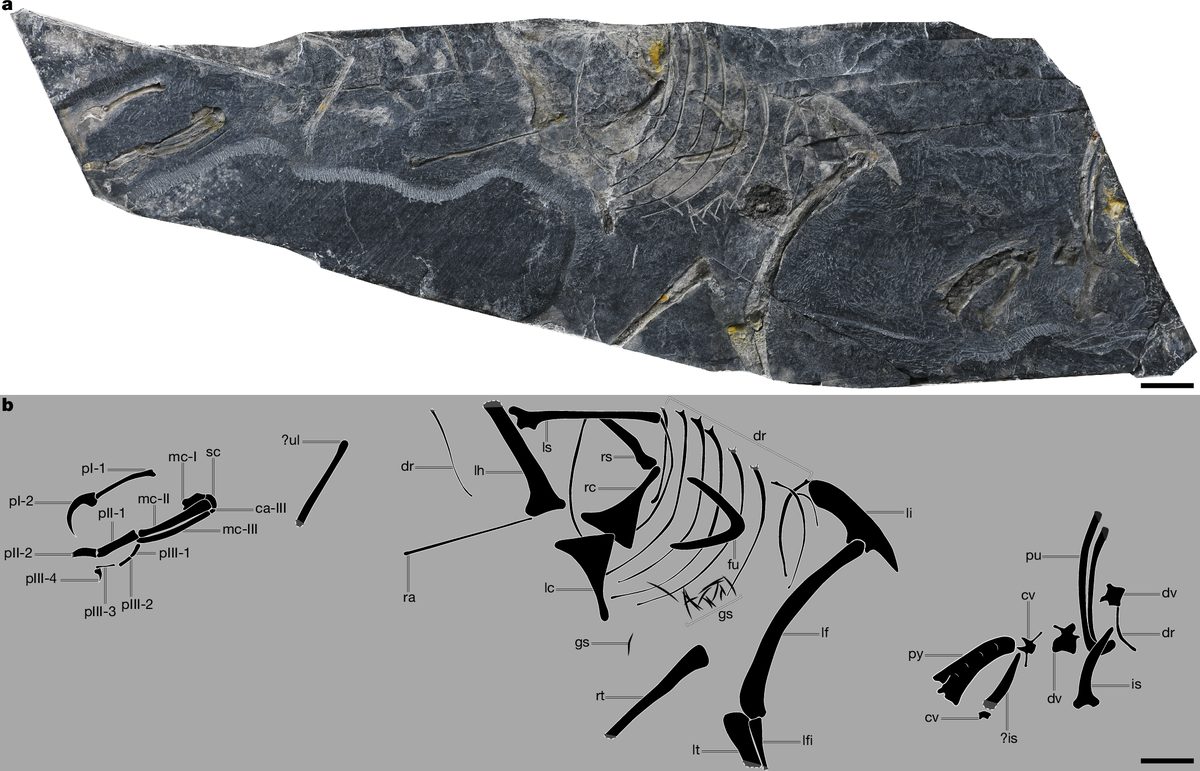
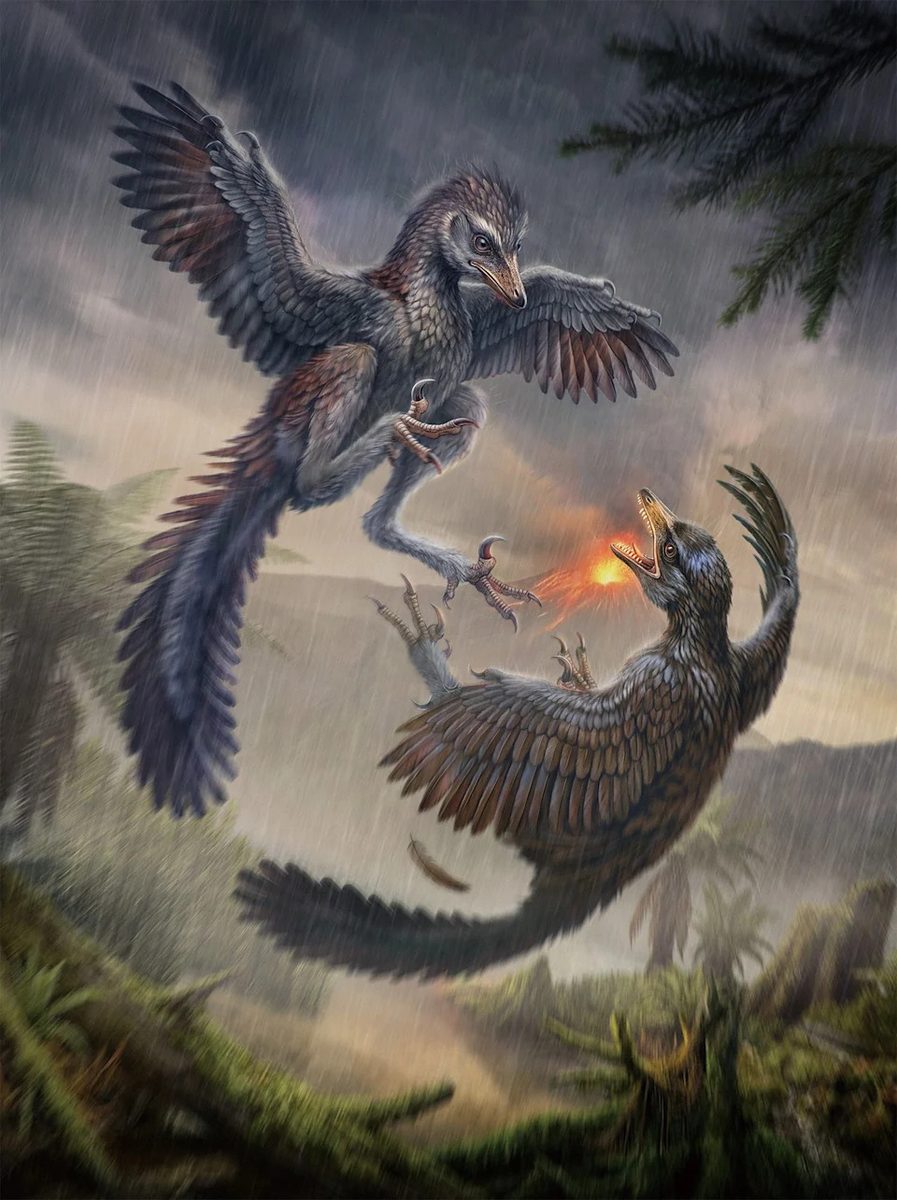
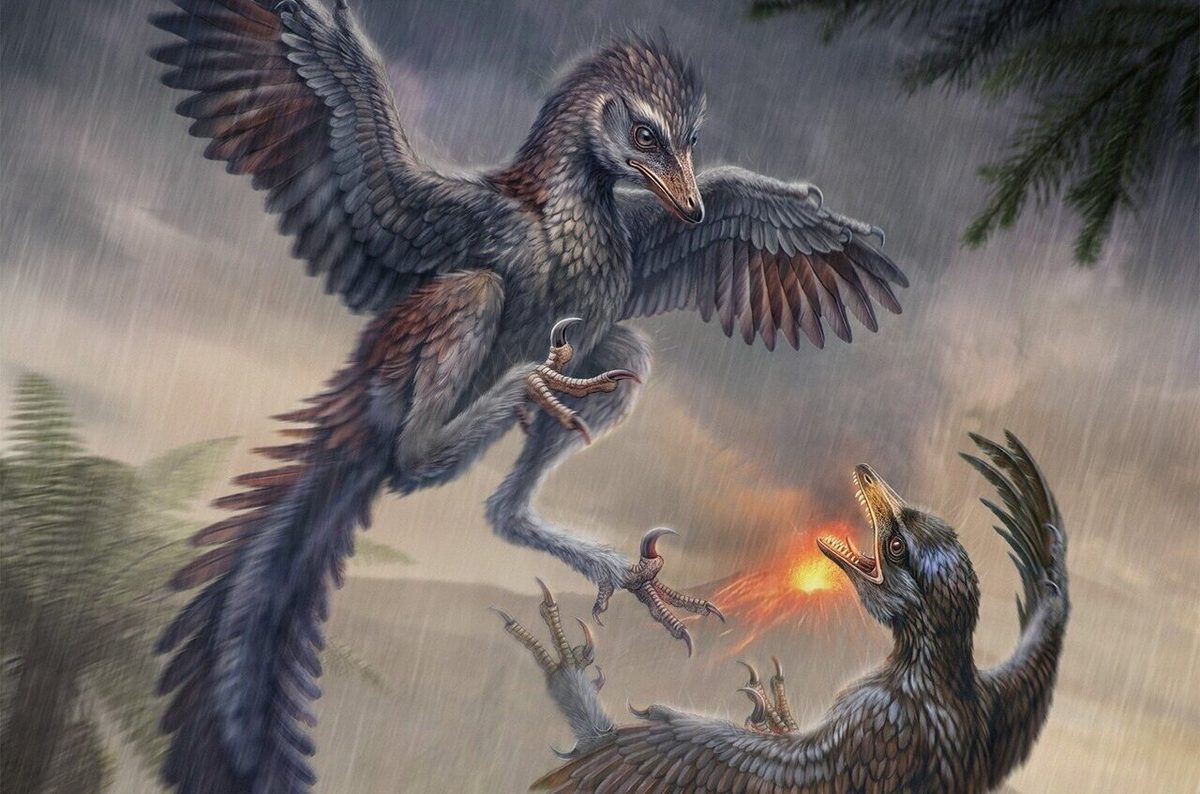
A crow-sized bird that lived 150 million years ago in southeastern China never flew. Its fossil, described October 14 in the journal Nature, is the earliest known flightless bird and shows flightlessness appeared almost as soon as birds did.

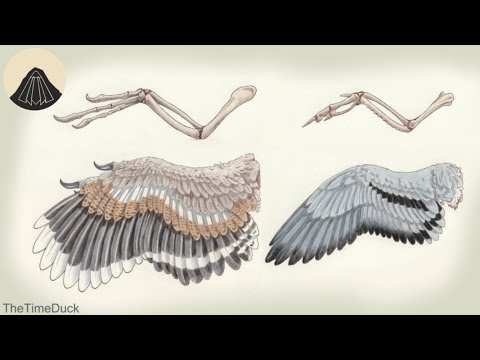
The species, Yuezhuornis yangyuanensis, had wings a third shorter than its legs. It had a build like a ground-dwelling pheasant and a sickle-shaped claw on its second toe like a Velociraptor. Its mix of bird and dinosaur traits challenges the long-held view that the bird body plan evolved mainly under the pressure of flight.

Why it matters

The find suggests bird evolution branched rapidly into many lifestyles, not a steady march toward flight.

Questions about this story

Free account needed to ask — your question is kept and asked for you right after sign-up. Answers are public.

No questions yet — be the first to ask.

Key Indicators

150 million years
Age of fossil
Yuezhuornis yangyuanensis lived 148-150 million years ago in the Late Jurassic.
377
Living bird species compared
Researchers compared limb proportions with 377 living bird species to infer Yuezhuornis's lifestyle.
33%
Forelimb length deficit
Forelimbs were one-third shorter than hindlimbs, matching ground-dwelling birds like pheasants.

Voices

Curated perspectives — historical figures and your fellow readers.

Ever wondered what historical figures would say about today's headlines?

Sign up to generate historical perspectives on this story.

People Involved

Organizations Involved

Timeline

August 2024 October 2026

2 events Latest: Today
  1. Nature publishes Yuezhuornis description

    Today Publication

    Min Wang and colleagues described Yuezhuornis yangyuanensis as the earliest known flightless bird, challenging assumptions about early bird evolution.

  2. Fossil discovered in Fujian Province

    Discovery

    A nearly complete fossil was found near Yangyuang village, Fujian Province, China, in the Upper Jurassic Zhenghe Fauna deposit.

Scenarios

1

More flightless early birds found in China's Zhenghe Fauna

Possible Resolves by End of 2027

Discussed by: Researchers at the Chinese Academy of Sciences and other paleontologists

The Zhenghe Fauna deposit where Yuezhuornis was found is a window on a poorly documented stage of Jurassic bird evolution. Further excavations could reveal more flightless early birds, confirming that flightlessness was common among the first birds.

2

Flightless interpretation of Yuezhuornis challenged

Possible Resolves by Q2 2028

Discussed by: Paleontologists not involved in the study

The flightless label is an inference from limb proportions, not direct evidence of wing function. Modern pheasants, which Yuezhuornis resembles, can fly in short bursts despite being ground-dwellers. Some researchers may argue the bird retained limited flight ability.

3

Yuezhuornis reshapes the bird family tree

Likely Resolves by End of 2028

Discussed by: Study authors and commentators including Fernando Novas

The phylogenetic analysis places Yuezhuornis closer to modern birds than Archaeopteryx, despite Archaeopteryx being a stronger flier. This ordering challenges the idea of a steady progression toward flight. Future analyses could confirm or revise this placement.

Historical Context

2 moments from history that rhyme with this story — and how they unfolded.

1861

Archaeopteryx (1861)

The first Archaeopteryx fossil was found in Germany in 1861, two years after Darwin published On the Origin of Species. It showed a mix of dinosaur and bird traits, including feathers and teeth, and became a key piece of evidence for evolution.

Then

Archaeopteryx sparked intense debate about the origin of birds and flight.

Now

It became the iconic 'first bird' and a cornerstone of evolutionary biology.

Why this matters now

Yuezhuornis, similar in age to Archaeopteryx, shows that early birds diversified into many lifestyles, not just flight.

2003

Microraptor (2003)

Microraptor, a four-winged dinosaur described in 2003 from China, had feathers on all four limbs. It showed that flight-like abilities evolved in multiple dinosaur groups.

Then

Microraptor expanded the known diversity of flying dinosaurs.

Now

It helped establish that flight evolved multiple times among dinosaurs.

Why this matters now

The Yuezhuornis find adds to evidence that flight and flightlessness evolved multiple times among early birds and their relatives.

Sources

(6)