

Pull to refresh
Logo
Nevada geothermal lease sale nets $4.8 million, draws record bidder interest

Nevada geothermal lease sale nets $4.8 million, draws record bidder interest

New Capabilities

BLM accepts bids on 60 parcels across 10 counties as federal geothermal leasing accelerates

Today: Analysis shows leasing acceleration

Overview

Updated 1 hour ago

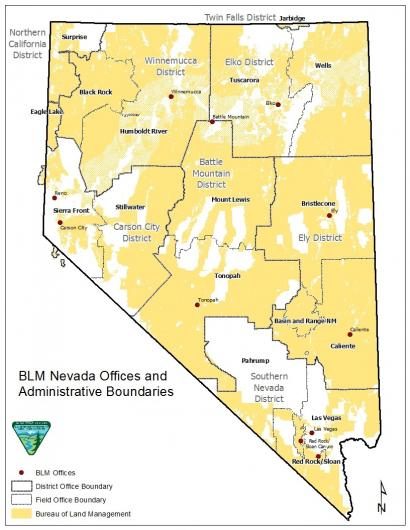
The Bureau of Land Management accepted $4.83 million in winning bids for geothermal leases on 60 parcels of Nevada federal land on October 20. Eighteen bidders competed for 186,641 acres across ten counties, the most registered bidders in any Nevada geothermal sale.

Geothermal is emerging as a serious answer to AI's surging electricity demand because it runs around the clock, unlike wind and solar. Lease nominations on federal land have risen more than fortyfold since 2020, and 2026 is on pace for a record average lease price of about $116 per acre.

Why it matters

Geothermal supplies always-on power for data centers, and federal lease sales decide how fast that resource gets developed.

Questions about this story

Free account needed to ask — your question is kept and asked for you right after sign-up. Answers are public.

No questions yet — be the first to ask.

Key Indicators

$4.83M
Total sale receipts
Winning bids, bonuses, and rentals from the October 2026 Nevada geothermal sale.
186,641
Acres leased
60 parcels, down from 280,559 acres in the 2025 Nevada sale.
$201/acre
Highest per-acre bid
Ormat's winning bid on a White Pine County parcel worth $772,242.
32
Registered bidders
Up from 22 in the 2025 Nevada sale; 18 of them placed bids.

Voices

Curated perspectives — historical figures and your fellow readers.

Ever wondered what historical figures would say about today's headlines?

Sign up to generate historical perspectives on this story.

Organizations Involved

Timeline

October 2025 October 2026

5 events Latest: Today
Tap a bar to jump to that date
  1. Analysis shows leasing acceleration

    Today Analysis

    ThinkGeoEnergy reports lease nominations up more than fortyfold since 2020 and a record ~$116 per acre average in 2026.

  2. Coverage details NextEra overlap dispute

    Press

    Utility Dive reports two sold parcels overlap NextEra's Sawtooth solar project and that BLM rejected NextEra's removal request.

  3. Nevada sale nets $4.83 million

    Auction

    BLM accepts winning bids on 60 of 83 offered parcels across ten Nevada counties. Ormat leads spending at $2.29 million.

  4. New Mexico auction nets $16.5 million

    Auction

    The June 2026 New Mexico geothermal sale was the second-highest-grossing in BLM history.

  5. 2025 Nevada geothermal sale hits $9.4 million

    Auction

    BLM's previous Nevada sale drew bids on 86 of 113 parcels, covering 280,559 acres, with a high bid of $410 per acre.

Scenarios

1

Record geothermal leasing continues into 2027

Likely Resolves by End of 2027

Discussed by: ThinkGeoEnergy, which notes lease nominations up more than fortyfold since 2020 and a record ~$116-per-acre average in 2026

AI-driven electricity demand keeps pushing developers toward geothermal. The Trump administration promotes the resource as always-on power, and upcoming California and Idaho sales test whether momentum holds. If per-acre prices keep rising, the 2026 auction looks like an inflection, not a peak.

2

Leasing cools after the 2026 peak

Possible Resolves by End of 2027

Discussed by: The Duck Curve, which notes 2026 Nevada receipts were only 51% of 2025's $9.4 million despite bidder count rising from 22 to 32

More bidders but less money could mean the market is broadening and thinning at the same time. More than a third of parcels sold at the $2-per-acre minimum. If the easiest geothermal sites are already leased and power price forecasts soften, next year's sale could draw fewer bids and lower totals.

3

NextEra's Sawtooth conflict reshapes geothermal-solar coexistence

Uncertain Resolves by Q2 2027

Discussed by: Utility Dive, which reported BLM's rejection of NextEra's request to remove overlapping parcels

Two leased parcels now sit inside the footprint of NextEra's proposed 1-gigawatt Sawtooth solar project. BLM told NextEra it must adjust its operations to avoid conflicting with geothermal lessees. How the agency resolves the right-of-way application will set a precedent for how solar and geothermal share federal land.

Historical Context

2 moments from history that rhyme with this story — and how they unfolded.

1960–1980

The Geysers, California (1960s–1970s)

About 80 miles north of San Francisco, The Geysers became the first large US geothermal field. Utilities built steam turbines there starting in 1960, and development accelerated during the 1970s energy crisis as Congress created tax credits for geothermal power.

Then

By the mid-1980s The Geysers was the world's largest geothermal field, supplying baseload power to northern California's grid.

Now

It proved geothermal could deliver reliable always-on electricity, but conventional hydrothermal resources stayed limited to volcanic regions with naturally hot water near the surface.

Why this matters now

Today's boom targets the same resource, but new drilling techniques adapted from oil and gas aim to tap deep hot rock far beyond The Geysers' natural reservoirs.

2005–2014

The Shale Revolution (2005–2014)

Hydraulic fracturing and horizontal drilling unlocked natural gas in tight rock across Texas, North Dakota, and Pennsylvania, reversing decades of declining US production and collapsing prices.

Then

US natural gas output surged and the country became a net energy exporter by 2019.

Now

The same drilling techniques are now being applied to deep hot rock for enhanced geothermal systems.

Why this matters now

Geothermal developers are adapting fracking-era well technology to drill deeper and extract heat from rock without natural hot water, which is why federal lease interest is climbing.

Sources

(8)