

Pull to refresh
Logo
EU designates two new geothermal lithium projects as strategic

EU designates two new geothermal lithium projects as strategic

Rule Changes

Alsace and Altmark projects join a second wave of 46 critical minerals projects with fast-track permits and EU funding access

Yesterday: Second wave of 46 projects includes two new geothermal lithium projects

Overview

Updated 1 hour ago

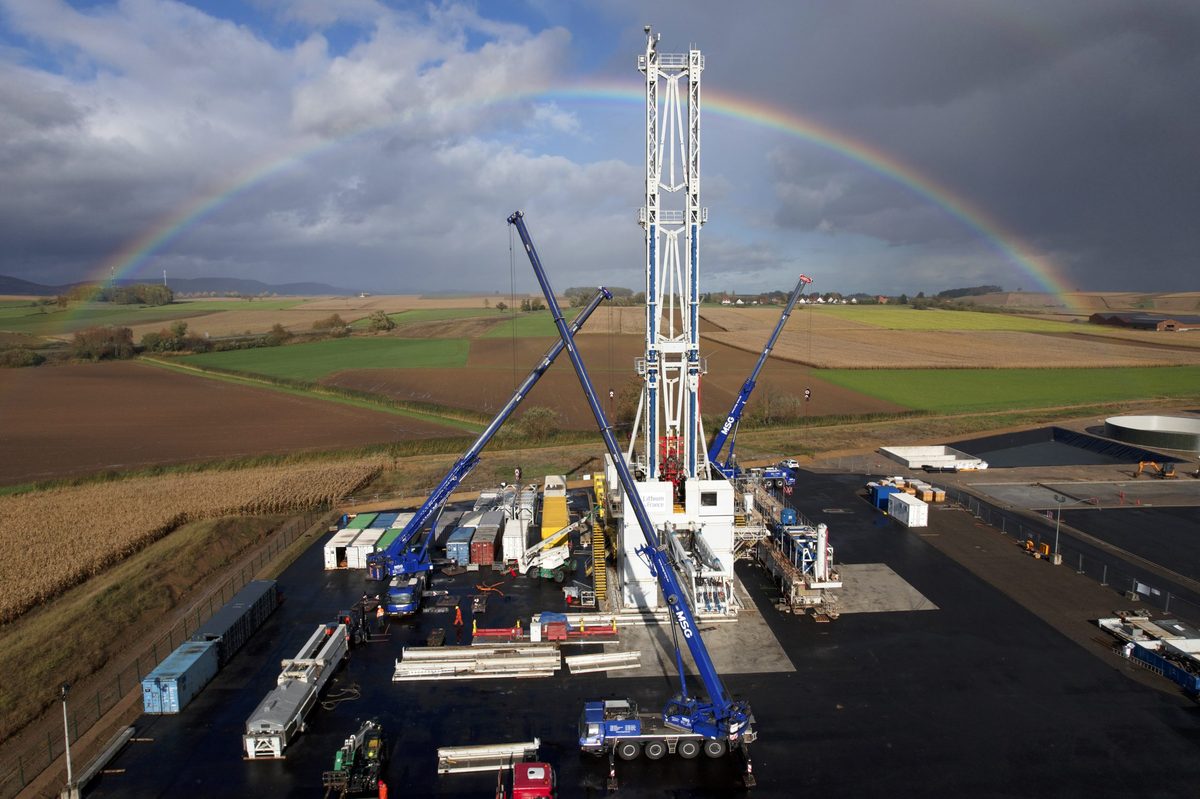
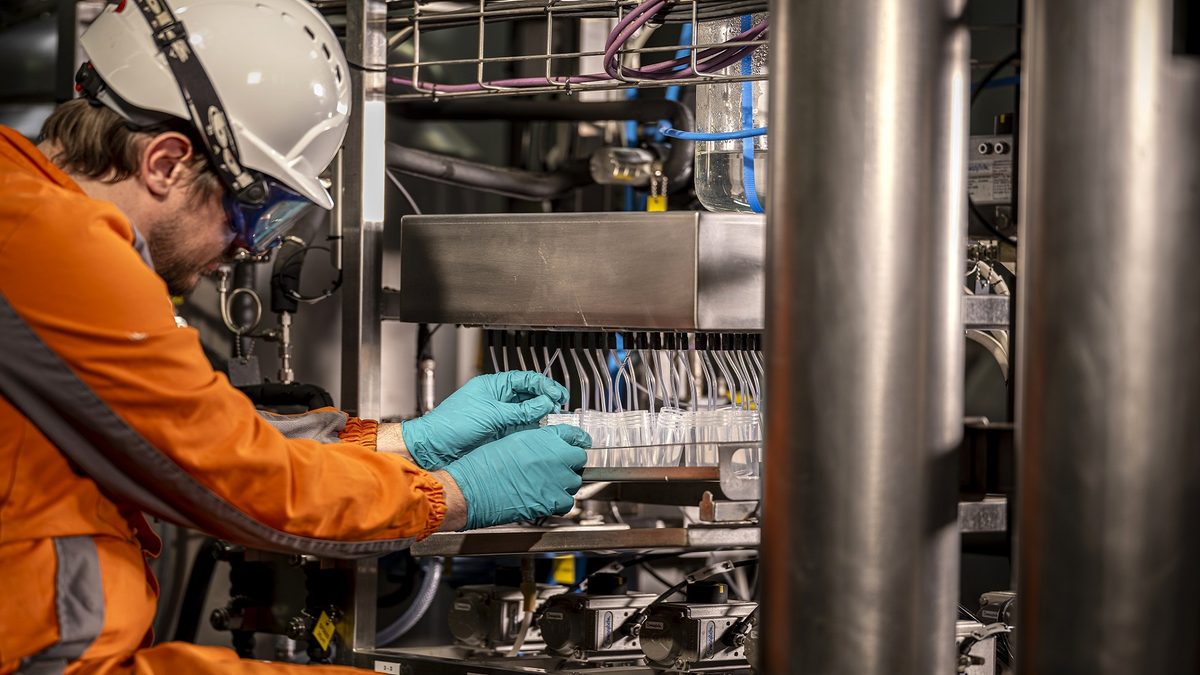
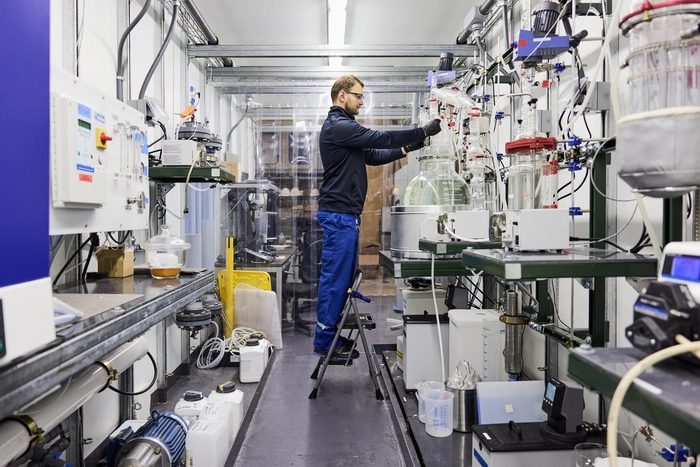
The European Commission has designated two more geothermal lithium projects as Strategic Projects under its Critical Raw Materials Act — a label that shortens permitting timelines and opens EU funding. One, in Alsace, France, and one in Altmark, Germany, aim to extract battery-grade lithium from hot underground brine rather than conventional mining.

The designations are part of a second wave of 46 strategic mineral projects selected from 171 applications. Europe's lithium supply depends heavily on imports, and the EU wants 10% of critical raw material consumption met by domestic extraction by 2030. Geothermal extraction carries a far smaller environmental footprint than mining — and yields heat as a byproduct.

Why it matters

If geothermal brine lithium scales, Europe gains domestic battery-metal supply with minimal environmental disruption — and a model for other regions.

Questions about this story

Free account needed to ask — your question is kept and asked for you right after sign-up. Answers are public.

No questions yet — be the first to ask.

Key Indicators

46
Strategic projects in second wave
Selected from 171 applications submitted to the European Commission.
27,000 t/yr
Lithium de France annual output target
Battery-grade lithium carbonate in Alsace, with co-produced geothermal heat.
25,000 t/yr
Altmark annual output target
Neptune project aims for this by 2030 from existing gas field brine.
10%
EU domestic extraction target by 2030
Share of EU annual consumption of strategic raw materials to be extracted at home.

Voices

Curated perspectives — historical figures and your fellow readers.

Ever wondered what historical figures would say about today's headlines?

Sign up to generate historical perspectives on this story.

Organizations Involved

Timeline

May 2024 October 2026

4 events Latest: Yesterday
Tap a bar to jump to that date
  1. Second wave of 46 projects includes two new geothermal lithium projects

    Latest Policy

    European Commission classifies Lithium de France (Alsace) and Neptune's Altmark project as Strategic Projects, adding to Vulcan and Eramet.

  2. Arverne announces Lithium de France strategic designation

    Announcement

    Arverne Group confirms its Alsace project named Strategic Project under the Critical Raw Materials Act, targeting production in 2028.

  3. First 47 strategic projects adopted

    Policy

    First selection round includes geothermal lithium projects from Vulcan Energy in Germany and Eramet in France.

  4. Critical Raw Materials Act enters into force

    Policy

    EU law takes effect setting 2030 targets: 10% domestic extraction, 40% processing, 25% recycling of strategic raw materials.

Scenarios

1

Lithium de France reaches commercial production by 2028

Possible Resolves by End of 2028

Discussed by: Arverne Group company guidance

Arverne targets first lithium carbonate in 2028. The path depends on finishing bankable engineering, obtaining final permits, and closing a senior debt tranche planned for 2027. Arverne has already drilled and tested its first well and holds a €33 million convertible facility with Equinor Ventures backing.

2

Altmark project scales to commercial lithium output by 2030

Possible Resolves by End of 2030

Discussed by: Neptune Energy pilot program disclosures

Neptune runs Pilot Phase II to optimize its adsorption process for direct lithium extraction. The Altmark deposit holds an estimated 43 million tonnes of lithium carbonate equivalent. Hitting 25,000 tonnes annually by 2030 would cover the lithium needs of roughly 500,000 electric vehicles a year.

3

Financing or performance gaps stall geothermal lithium projects

Possible Resolves by End of 2028

Discussed by: Euromining News analysis of unproven commercial-scale performance

Strategic status improves financing access but doesn't commit capital. Arverne still must convert senior-debt talks into committed funding. If imported lithium prices stay low, extraction efficiency disappoints at scale, or brine chemistry shifts, one or both projects could slip past their targets.

Historical Context

2 moments from history that rhyme with this story — and how they unfolded.

September 2010 – 2015

China rare earth export restrictions (2010)

China, then supplying over 90% of the world's rare earths, cut export quotas to Japan after a territorial dispute. Prices for some elements rose tenfold within months, exposing how vulnerable importers were.

Then

The US, EU and Japan scrambled for alternative suppliers and filed a WTO complaint; China later eased the quotas.

Now

The episode triggered a global wave of critical-minerals diversification programs, including the EU's raw-materials strategy.

Why this matters now

The 2010 scare is why the EU now treats lithium as a strategic raw material — import dependence drives the CRMA's targets and fast-track designations.

2023

European Chips Act (2023)

The EU committed €43 billion to raise its share of global semiconductor production to 20% by 2030, using subsidies, fast-tracked permits, and coordinated national funding.

Then

Drew investment announcements from Intel and TSMC for European factories.

Now

Became the template for the Critical Raw Materials Act's strategic-project approach.

Why this matters now

The same toolkit — strategic prioritization, faster permits, public funding access — is now applied to critical minerals, with geothermal lithium among the first beneficiaries.

Sources

(10)