
Pull to refresh
Logo
Endurance Energy generates net power from a seafloor volcano in first subsea geothermal test

Endurance Energy generates net power from a seafloor volcano in first subsea geothermal test

New Capabilities

The Seattle startup's Adélie plant ran 8.7 seconds of net-positive power at Axial Seamount; a commercial 2-megawatt plant is planned off Tonga by 2027

Yesterday: Endurance announces first subsea geothermal demonstration

Overview

Updated Yesterday

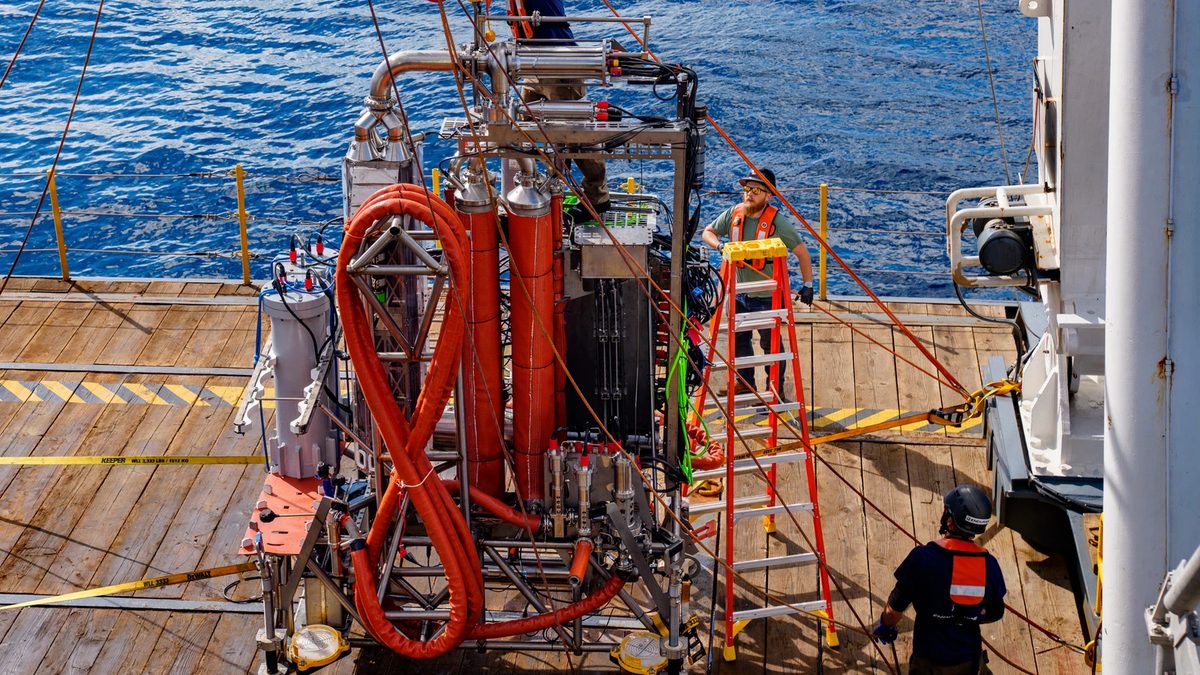
Endurance Energy put a 3-ton power plant on an active underwater volcano nearly a mile beneath the Pacific and, for 8.7 seconds, it produced more electricity than it used. It's the first time a seafloor geothermal system has generated net power.

The run ended when a battery safety system tripped and a power cable flooded minutes later. But the deployment proved the full chain works: drill a well on the seafloor, land a plant on it, run it from shore. Endurance now plans a commercial 2-megawatt plant off Tonga by 2027, aimed at Pacific islands that run on imported diesel.

Why it matters

Subsea geothermal could let Pacific islands replace imported diesel with always-on clean power — if it can match solar-plus-battery on cost.

Questions about this story

Free account needed to ask — your question is kept and asked for you right after sign-up. Answers are public.

No questions yet — be the first to ask.

Key Indicators

8.7 seconds
Net-positive generation duration
Time the Adélie plant produced more electricity than it consumed before battery protection tripped.
16.5 kW
Peak net power output
Peak net output during the run; median was about 2 kilowatts, with 60 watt-hours total generated.
260°C
Drilled well flow temperature
The 52-foot well flowed at 260°C (500°F) after cementing.
2 MW
Leopard commercial generator size
Target size of the commercial generator Endurance plans to deploy off Tonga, about the size of a shipping container.

Voices

Curated perspectives — historical figures and your fellow readers.

Ever wondered what historical figures would say about today's headlines?

Sign up to generate historical perspectives on this story.

People Involved

Organizations Involved

Timeline

September 2026 October 2026

3 events Latest: Yesterday
  1. Endurance announces first subsea geothermal demonstration

    Latest Announcement

    The company publicly reports the first end-to-end subsea geothermal test, including the drilled well, net-positive power, and plans for Tonga.

  2. Net-positive power for 8.7 seconds

    Test result

    Connected to a natural 281°C vent, Adélie's turbine hits 26,000 rpm and generates 8.7 seconds of net power before battery protection trips; a cable failure ends the dive.

  3. World's first subsea geothermal well drilled

    Milestone

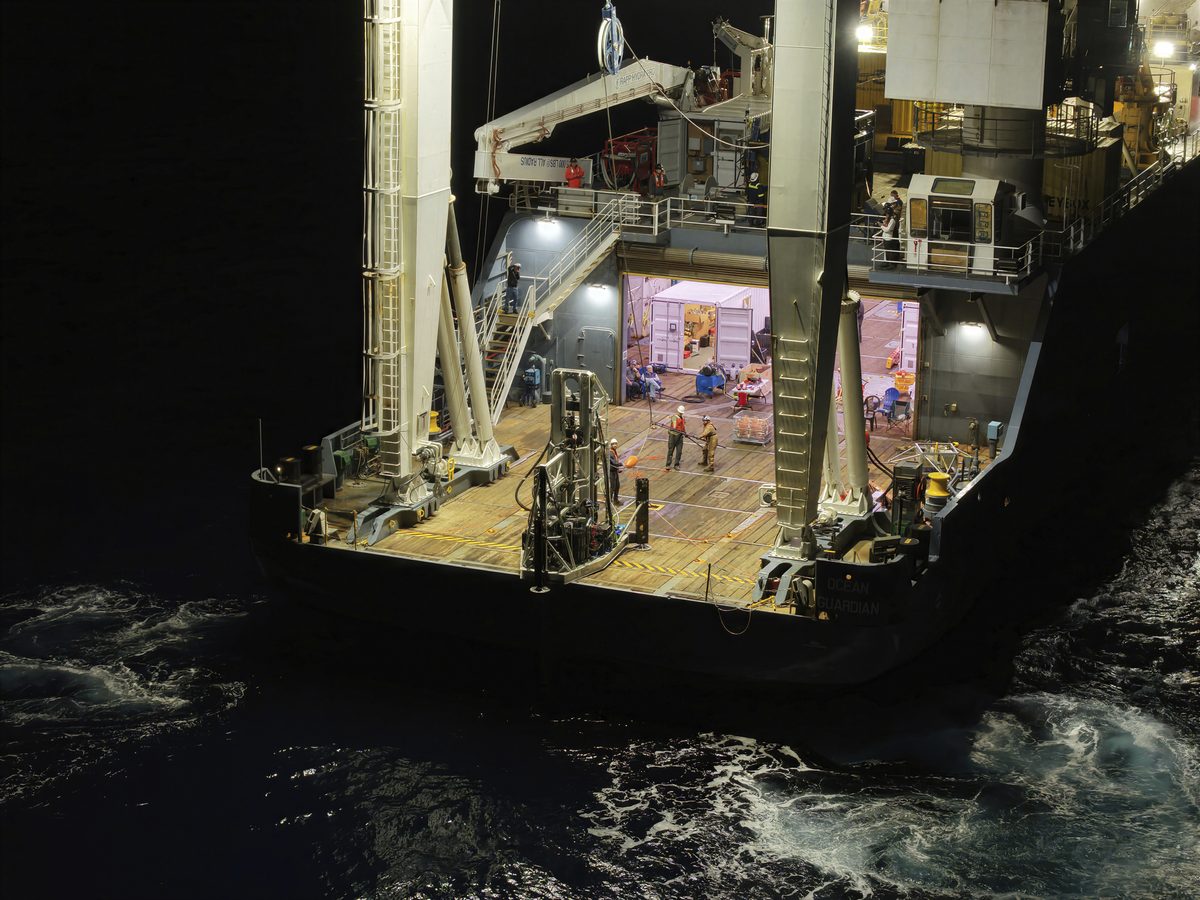
    Endurance's lander drill bores two holes in the Axial Caldera seafloor, 5,000 feet deep; one is cased, cemented, and capped, flowing at 260°C.

Scenarios

1

Gentoo generates sustained net power from a drilled well

Possible Resolves by Q2 2027

Discussed by: Endurance Energy's own plans; Ars Technica coverage

Endurance deploys the refurbished Gentoo plant this winter with a drill capable of reaching 80 meters, five times the test well's depth. The company expects deeper wells to deliver the fluid flow the first well couldn't. Sustained net power from a drilled well, rather than a natural vent, would clear the technical hurdle that ended the Adélie run.

2

Tonga project delivers first commercial power

Uncertain Resolves by Q2 2028

Discussed by: Endurance Energy, which targets first power in 2027

Endurance deploys up to six 2-megawatt Leopard generators, each about the size of a shipping container, off Tonga. Success requires scaling from the 16.5-kilowatt demonstration peak by roughly two orders of magnitude and beating imported diesel and solar-plus-battery on cost. The company says the physical footprint of the project will be relatively small.

3

Cost and reliability issues stall subsea geothermal

Possible Resolves by Q2 2028

Discussed by: Canary Media; Roland Horne at Stanford University

Skeptics argue the cost and complexity of operating in deep, salty ocean conditions, plus the distance power must travel to customers, will keep subsea geothermal from competing. Land-based geothermal is already "on the edge of competitive pricewise," and added offshore costs could push it over. Remote islands can more easily adopt lower-cost solar and batteries. If Endurance misses the Tonga target or struggles with cable and well reliability, the commercial case weakens.

Historical Context

3 moments from history that rhyme with this story — and how they unfolded.

September 1960

The Geysers geothermal field (1960)

In 1960, the first commercial geothermal power plant in the United States began generating at The Geysers in Northern California, tapping natural steam heated by underground magma. The field grew into the largest geothermal development in the world.

Then

Proved that geothermal steam could generate grid power commercially, not just heat buildings.

Now

Geothermal became a mainstream renewable source, and The Geysers still operates today.

Why this matters now

Shows geothermal's path from novel demonstration to commercially proven technology — the same path Endurance is trying to chart underwater.

2003-2004

EMEC wave and tidal testing, Orkney (2003-2004)

The European Marine Energy Centre opened in Orkney, Scotland, as the world's first grid-connected test site for wave and tidal energy. Developers like Pelamis Wave Power, whose flagship 'sea snake' device ran full-scale sea trials, tested there.

Then

Marine energy devices proved they could generate grid power at sea, attracting heavy investment.

Now

Few reached commercial scale; Pelamis went into administration in 2014, and wave energy remains a niche. The gap between demonstration and commercial viability proved wide.

Why this matters now

The cautionary parallel: proving marine energy works at sea is one thing; making it cost-competitive is another. Subsea geothermal faces the same gap.

November 1947

First offshore oil well, Gulf of Mexico (1947)

Kerr-McGee drilled the first oil well out of sight of land, 10 miles off Louisiana in about 18 feet of water, using a converted Navy barge as a drilling platform.

Then

Proved oil extraction from the open sea was technically possible, at far higher cost than land wells.

Now

Launched the global offshore oil industry, which now produces a large share of the world's crude.

Why this matters now

The precedent for moving energy extraction offshore: a technical leap that looked uneconomic initially but proved transformative at scale.

Sources

(7)