
SpaceX Falcon 9 first booster reuse (2017)
SpaceX reflew Falcon 9 booster B1021 on the SES-10 mission on March 30, 2017, roughly 15 months after achieving the first-ever orbital booster landing in December 2015. The booster had originally flown on the CRS-8 mission in April 2016 and was recovered from the drone ship Of Course I Still Love You.
The successful reflight proved that reusing orbital-class boosters was commercially viable, not just technically possible. SpaceX quickly accelerated its reuse cadence.
By 2026, SpaceX routinely flies individual boosters 25 times, conducts roughly 150 launches per year, and dominates commercial launch with an estimated 60 to 70 percent market share. Reusability became the defining competitive advantage in the launch industry.
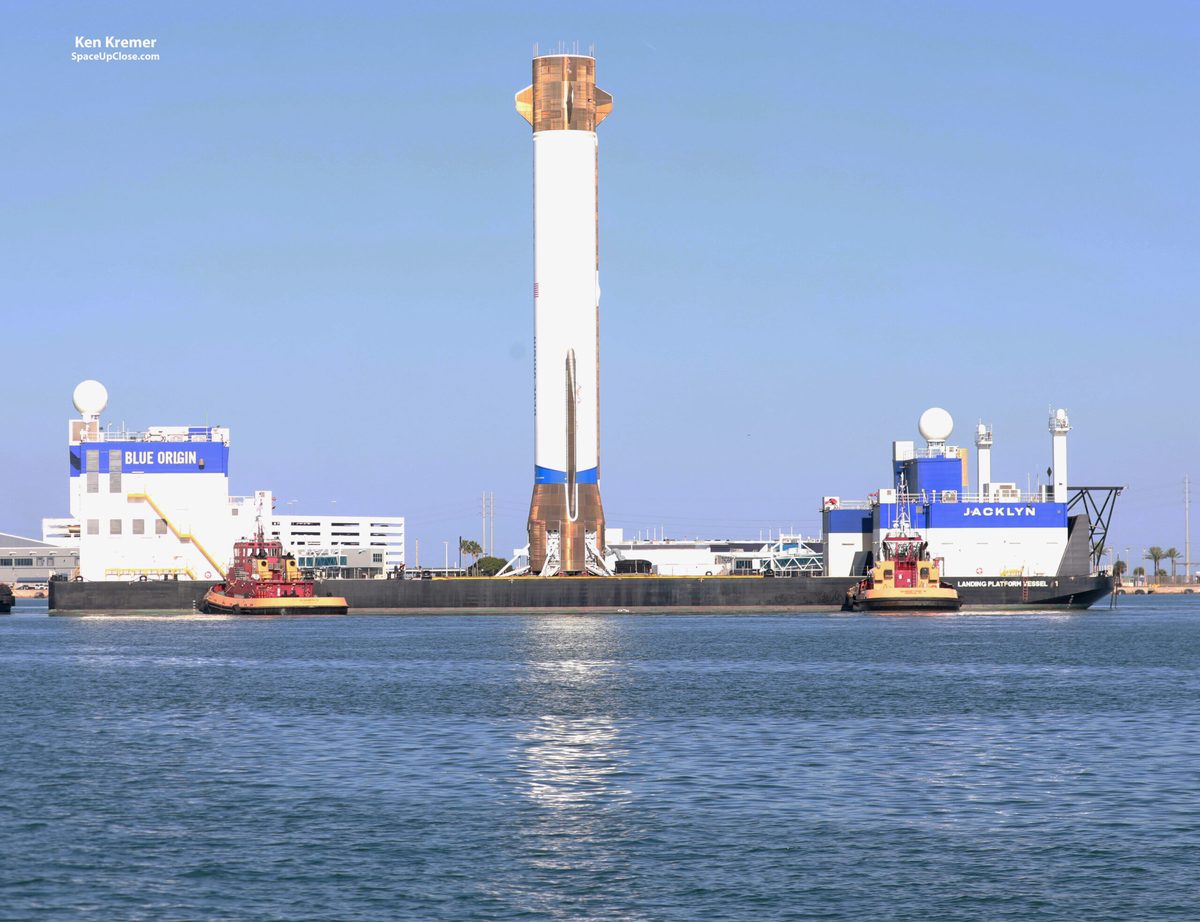
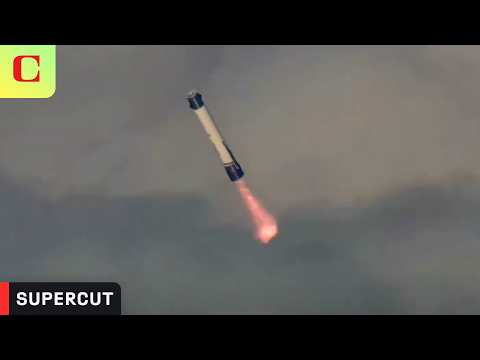
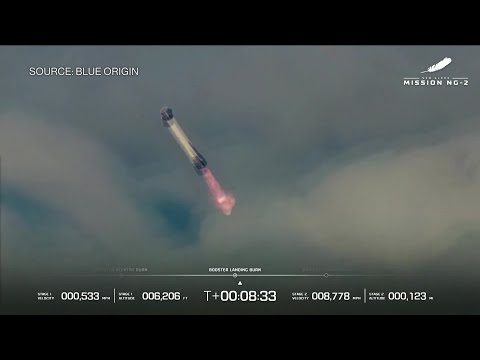
Blue Origin achieved its first booster reuse roughly five months after its first landing — faster than SpaceX's 15-month gap. But SpaceX had nine years' head start in operational reuse, making the question not whether Blue Origin can reuse boosters but whether it can close the cadence and reliability gap.