1
US and Canada reach deal; Sept. 29 bans rescinded
Deadline passed (Sep 29, 2026)
Discussed by: CBS News; Reuters; senior Trump administration officials
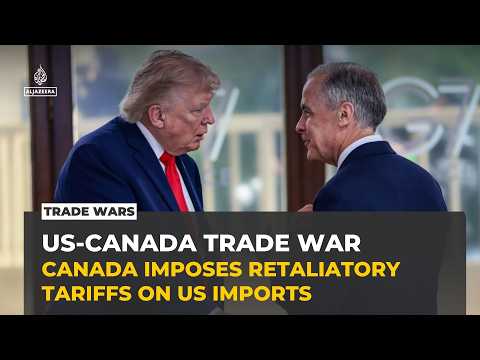
Negotiators from both governments reach a deal before Sept. 29, and Trump rescinds or delays the import bans. Senior administration officials said Canada has expressed interest in an "alternative pathway," and the White House says talks remain open. A deal would echo the 2018 NAFTA renegotiation, which ended in an 11th-hour agreement.
2
Bans take effect; Canada hits back with new tariffs
Likely
Resolves by Oct 31, 2026
Discussed by: AP via Newser; The Guardian; Reuters
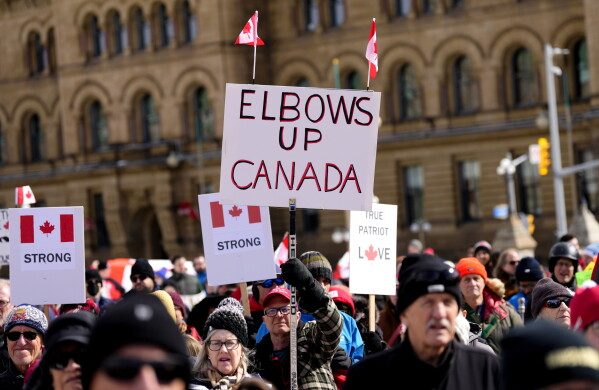
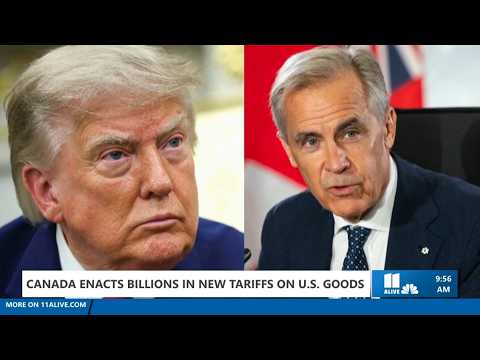
The Sept. 29 bans take effect as scheduled. Canada responds with fresh retaliatory measures beyond the current $20 billion in tariffs, targeting politically sensitive US industries such as autos or agriculture. Provincial liquor boycotts continue, keeping pressure on American producers through the US midterm election campaign.
3
Auto tariffs land; USMCA dispute heads to arbitration
Possible
Resolves by Jan 1, 2027
Discussed by: France 24; trade analysts; Reuters
The dispute hardens into a durable tariff regime. Trump's threatened 50% auto industry tariff lands Jan. 1, 2027, or either country launches a formal USMCA dispute or files a withdrawal notice. Analysts quoted by France 24 warn this could destabilize the pact that has underpinned North American commerce for decades.
4
Bans hit Canadian exporters; Ottawa seeks relief
Likely
Resolves by End of 2026
Discussed by: Export Development Canada; Global News
The Sept. 29 bans remove $778 million in Canadian exports from the US market. Export Development Canada warns that firms in affected industries send 70-95% of their sales to the US. Those firms face severe disruption even though the aggregate GDP impact is modest.
5
USMCA renewal fails; auto tariffs land Jan. 1
Possible
Resolves by Jan 1, 2027
Discussed by: ABC News; trade analysts
The impasse imperils efforts to renew the US-Mexico-Canada Agreement. If no deal is reached, Trump's threatened 50% auto industry tariff lands Jan. 1, 2027, potentially disrupting the integrated North American auto supply chain.
6
Canadian producers pivot to domestic market, blocked by provincial barriers
Likely
Resolves by Jan 1, 2027
Discussed by: Reuters, Canadian distillers
With the US market closed, Canadian distillers and brewers try to sell more at home. Provincial liquor monopolies and regulations complicate cross-border sales within Canada, limiting the pivot. The federal government says more work is needed to streamline provincial rules.
7
Bulk exemption spares big distillers; small producers exit the US market
Likely
Resolves by Jan 15, 2027
Discussed by: CBC News; Distilled Spirits Council of the US
The ban exempts bulk shipments over a set volume and drops tariffs on bulk whiskies and liqueurs, letting large multinationals with US bottling plants keep selling. Smaller Canadian distilleries, breweries, and vineyards that depend on direct-to-US sales face losing their main market.