
Pull to refresh
Logo
Chicago's winter parking ban returns with higher towing and storage fees

Chicago's winter parking ban returns with higher towing and storage fees

Rule Changes Chicago, IL local

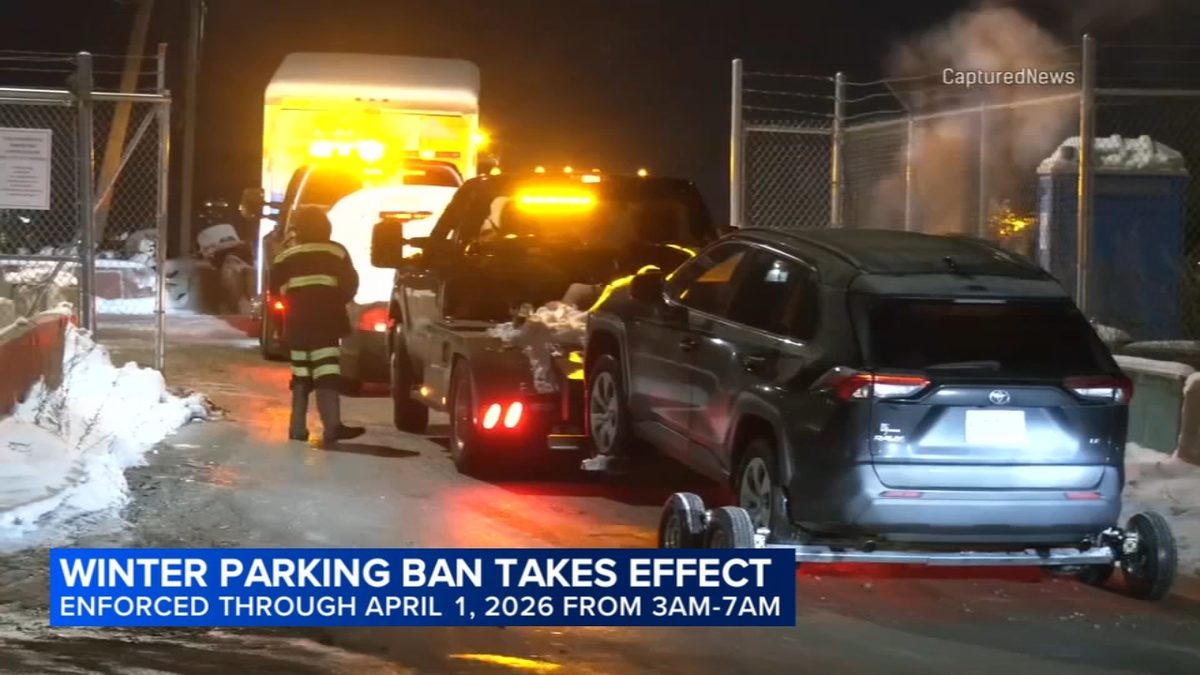
Towing now starts at $250 and storage at $50 a day, so a car left on one of 107 miles of arterial streets overnight costs at least $360 to get back.

Overview

Updated 1 hour ago

A car left overnight on one of Chicago's designated arterial streets will cost its owner at least $360 to recover this winter. The city raised the minimum towing fee to $250 from $150 and doubled daily storage to $50 from $25; the $60 ticket is unchanged. That is $125 more than last season's minimum, and the ban runs Dec. 1 through April 1 whether or not it snows.

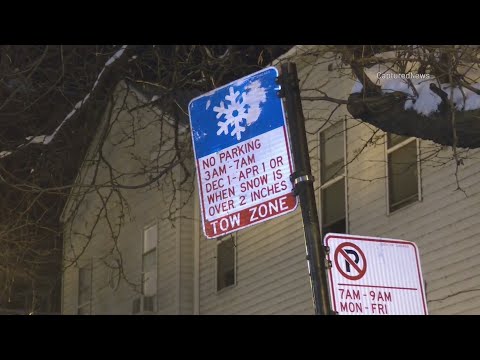
The rule itself is unchanged. It covers 107 miles of arterial streets from 3 a.m. to 7 a.m. daily, so plows and emergency vehicles have a clear lane. A separate ban covers another 500 miles of main streets and can take effect any time two inches of snow accumulate, at any hour or date.

Why it matters

One night in the wrong spot now costs a Chicago driver at least $360, up from $235 last winter.

Last Monday's email for Chicago, IL

Sent Nov 23. It carried:

Get next Monday's: one short email a week. Free. Unsubscribe in one click.

Questions about this story

Free account needed to ask — your question is kept and asked for you right after sign-up. Answers are public.

No questions yet — be the first to ask.

Key Indicators

$360
Minimum cost to recover a towed car
Towing, ticket and one day of storage; cars go to Pounds 2 or 6.
$250
Minimum towing fee
Up from $150 during the 2025-26 season.
$50
Daily storage fee at the city pounds
Charged from the day of the tow, even if the car is collected hours later.
+67%
Increase in the minimum towing fee
From $150 last winter to $250 this one.
107
Miles of arterial streets under the overnight ban
Enforced 3 a.m. to 7 a.m. daily, Dec. 1 to April 1, regardless of snow.
500
Miles covered by the separate two-inch snow ban
Takes effect whenever two inches accumulate, at any time of day or year.

Voices

Curated perspectives — historical figures and your fellow readers.

Sign up to generate historical perspectives on this story.

People Involved

Organizations Involved

Timeline

1967 November 2026

4 events Latest: Today
Tap a bar to jump to that date
  1. Higher fees set for the coming season

    Today Rule Change

    Sun-Times reports towing at $250 minimum, storage at $50 a day.

  2. Second blizzard brings a political reckoning

    Weather

    Another major storm cripples the city; snow cleanup becomes a mayoral issue.

  3. Blizzard stops Chicago

    Weather

    A late-January storm drops nearly two feet of snow; traffic seizes up.

Scenarios

1

Higher fees survive the season without a rollback

Likely Resolves by Apr 1, 2027

Discussed by: Chicago Sun-Times reporting on the fee schedule; no council action appears in the coverage cited

The reported increase went into the season with no organized opposition attached to it. If nothing changes, drivers pay $250 plus a $60 ticket plus $50 a day from Dec. 1 through April 1, and the new schedule becomes the baseline for next year's budget math.

2

An alderman forces a hearing on tow fees

Unlikely Resolves by Apr 1, 2027

Discussed by: No formal proposal has been reported; this tracks how fee complaints normally reach the council

A $100 jump in the towing fee and a doubled storage rate hit drivers who often need their cars the same day. If complaints reach aldermen, the result would be a hearing or an ordinance that puts Streets and Sanitation officials on record about what the money covers. Nothing in the coverage so far suggests that has started.

3

Tows fall as drivers learn the new price

Possible Resolves by Q2 2027

Discussed by: Season-over-season comparisons in local coverage of the ban's first nights

The ban has covered the same 107 miles for years, so compliance is mostly habit. A higher price is the obvious lever for changing a habit, and the first night of the 2025 season filled the Sacramento pound with frustrated drivers. If the increase deters, early-season tow counts drop; if it does not, the pounds fill the same way.

Historical Context

3 moments from history that rhyme with this story — and how they unfolded.

January 1967

Chicago blizzard of 1967

A storm on Jan. 26-27 dropped nearly two feet of snow in about a day. Cars, buses and delivery trucks stalled and were abandoned, and the streets stopped moving. The city took days to dig out.

Then

Traffic across Chicago seized up, and abandoned vehicles blocked the routes crews needed most.

Now

Chicago later designated arterial streets where overnight parking is banned in winter, and the streets department still cites 1967 as the reason.

Why this matters now

The 107-mile ban exists to keep those routes clear before a storm, not to clear them after one.

January-February 1979

Blizzard of 1979

A January 1979 storm buried the city, and snow sat on side streets for weeks. Mayor Michael Bilandic's administration was blamed for the slow cleanup.

Then

Jane Byrne beat Bilandic in the February 1979 Democratic primary, with the snow response as the central issue.

Now

Chicago has treated snow removal as a test of governing competence ever since, and the city cites 1979 alongside 1967 as the reason for its parking bans.

Why this matters now

A blocked arterial in a storm is a political problem before it is a traffic one, which is why enforcement is automatic rather than storm-by-storm.

January-February 2011

Groundhog Day blizzard (2011)

A blizzard that began on the last night of January stranded hundreds of cars and city buses on Lake Shore Drive. Drivers abandoned vehicles in whiteout conditions and some waited hours for help.

Then

The stalled Drive became the defining image of the storm, and the city reviewed how and when it closes the road.

Now

Chicago's snow plan still puts main streets and DuSable Lake Shore Drive first, the same priority the overnight ban protects.

Why this matters now

It shows what the ban is meant to prevent: main routes so clogged that drivers walk away from their cars.

Sources

(5)