
Pull to refresh
Logo
Pilsen nursing college opens simulation lab to train bilingual nurses

Pilsen nursing college opens simulation lab to train bilingual nurses

New Capabilities Chicago, IL local

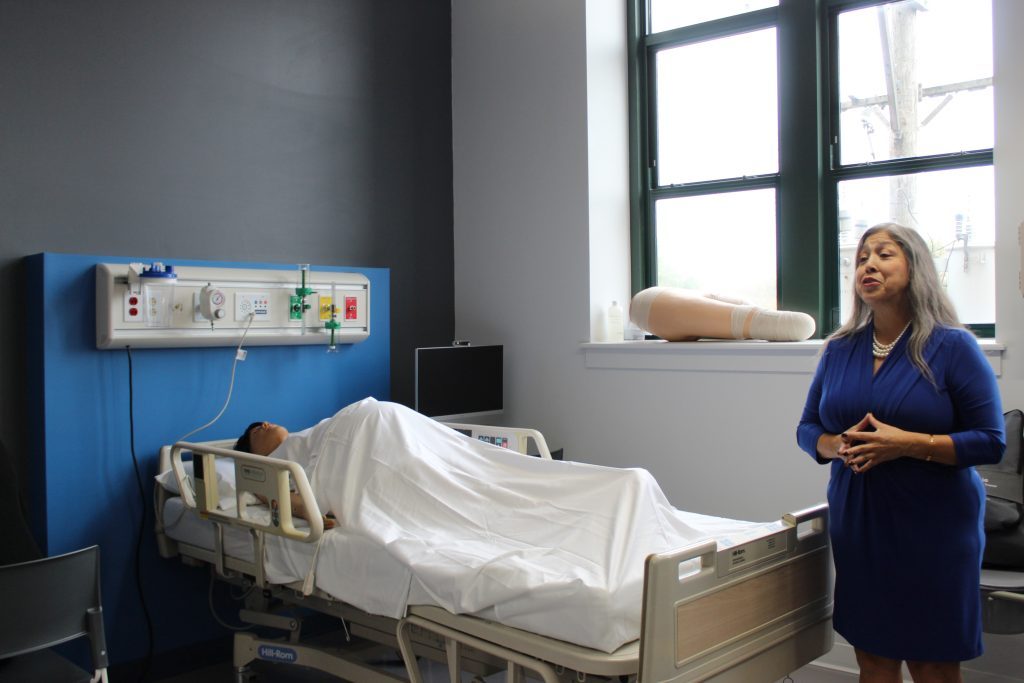
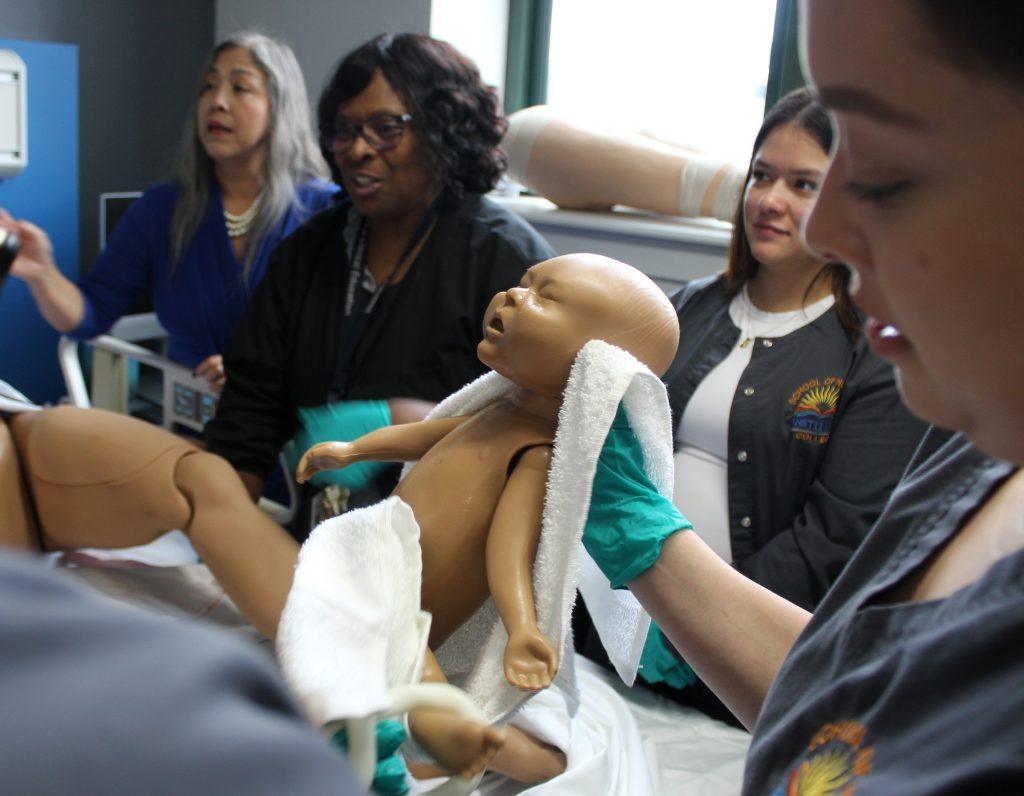
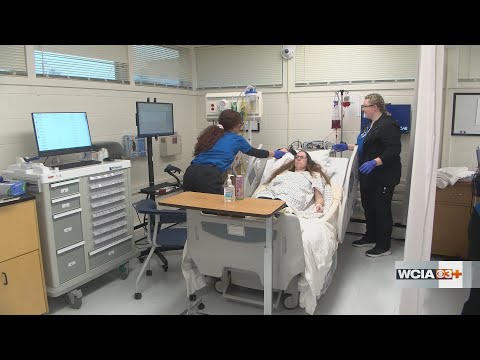
A $3 million McCormick Foundation-funded lab lets Instituto College students practice strokes, childbirth, and postpartum care on high-tech mannequins

Yesterday: Instituto College opens nursing simulation lab

Overview

Updated 1 hour ago

Nursing students in Pilsen now train on mannequins that mimic strokes, childbirth, and postpartum complications before they touch a real patient. Instituto del Progreso Latino opened the high-fidelity simulation lab at Instituto College in October 2026 with a $3 million donation from the McCormick Foundation.

The gap the program targets: Latinos make up a third of Chicago's population but only 6% of Illinois healthcare professionals. More than 600 students have graduated from Instituto College's nursing programs since 2018, feeding bilingual nurses into hospitals that need them.

Why it matters

Latinos are a third of Chicago's population but just 6% of Illinois healthcare professionals; this lab expands the path to bilingual nurses.

Monday: what changed in Chicago, IL

One short email a week with the openings, closings, permits and council votes we covered. Free. Unsubscribe in one click.

Questions about this story

Free account needed to ask — your question is kept and asked for you right after sign-up. Answers are public.

No questions yet — be the first to ask.

Key Indicators

600+
Nursing program graduates since 2018
Graduates of Instituto College's certified nursing assistant and associate degree nursing programs.
$3 million+
McCormick Foundation donation
Funding for the new simulation lab, practice stations, and electronic health record systems.
33%
Latinos' share of Chicago population
Latinos are a third of the city's population, per a University of Illinois Chicago report.
6%
Latinos' share of Illinois healthcare professionals
The representation gap the college's bilingual nursing program aims to close.

Voices

Curated perspectives — historical figures and your fellow readers.

Ever wondered what historical figures would say about today's headlines?

Sign up to generate historical perspectives on this story.

People Involved

Organizations Involved

Timeline

2005 October 2026

5 events Latest: Yesterday
Tap a bar to jump to that date
  1. Instituto College opens nursing simulation lab

    Latest Opening

    High-fidelity simulation lab opens at Instituto College, letting students practice strokes, childbirth, and postpartum care on mannequins.

  2. New training labs celebrated

    Opening

    Leaders, officials, and students mark the opening of the simulation lab and training facilities.

  3. Nursing program accredited

    Accreditation

    Accreditation Commission for Education in Nursing grants initial accreditation to the associate degree nursing program.

  4. Instituto College opening announced

    Announcement

    Two-year college to offer an associate degree in nursing starting fall 2018, with a $500,000 JPMorgan Chase investment.

  5. Carreras en Salud launches

    Founding

    Instituto del Progreso Latino launches its health careers pathway program with JPMorgan Chase support.

Scenarios

1

Instituto College enrollment tops 500 students

Possible Resolves by Oct 31, 2027

Discussed by: Instituto College leadership, which set a goal of 500 learners within five years of the 2018 launch

The new lab makes the program more attractive to prospective students. Combined with full and partial tuition scholarships for low-income students, it could push enrollment past the 500-student target the college set when it launched. Fall 2027 enrollment data would show whether the expansion is drawing more students.

2

NCLEX pass rates hold or improve with simulation training

Uncertain Resolves by Q2 2028

Discussed by: Nursing education researchers who study simulation training

High-fidelity simulation is associated with improved clinical judgment, which typically shows in first-time NCLEX-RN pass rates. If the lab works as intended, the college's graduates should maintain or beat the state average. The Illinois Department of Financial and Professional Regulation publishes pass-rate data annually.

3

New philanthropy funds simulation training elsewhere

Possible Resolves by Oct 19, 2028

Discussed by: Philanthropy observers tracking healthcare workforce investments

If the lab shows results, the McCormick Foundation or another Chicago funder could back similar simulation training at other institutions. The model's impact would show up in enrollment and pass rates, which typically take one to two years to measure.

Historical Context

2 moments from history that rhyme with this story — and how they unfolded.

1943-1948

U.S. Cadet Nurse Corps (1943-1948)

Facing a severe military and civilian nurse shortage in World War II, Congress funded free nursing education for young women. The program paid tuition, room, and board in exchange for a pledge of military or essential civilian nursing service.

Then

The corps graduated more than 124,000 nurses in five years, easing the wartime shortage and proving the federal government could expand nursing capacity quickly.

Now

It established the precedent that public investment in nursing education can shrink workforce gaps, and many graduates remained in nursing for decades.

Why this matters now

Instituto College's targeted funding shows the same logic at a local scale: investing in training capacity to close a documented caregiver shortage.

Founded 1876

Meharry Medical College (1876)

Founded in Nashville after the Civil War, Meharry trained Black physicians and healthcare workers who were excluded from most white medical schools. It produced a large share of the Black doctors practicing in the U.S. for decades.

Then

Meharry graduates staffed hospitals and clinics serving Black communities across the South that otherwise had no Black physicians.

Now

It became a model for institutions training practitioners from the communities they serve, showing that representation improves access and trust.

Why this matters now

Instituto College applies the same idea to Latino healthcare: bilingual nurses from the community serve Latino patients, closing language and cultural gaps that school officials say harm care quality.

Sources

(3)