

Pull to refresh
Logo
Daily Brief
Following
Why Ranks Sign Up
China recovers an orbital rocket booster for the first time

China recovers an orbital rocket booster for the first time

New Capabilities

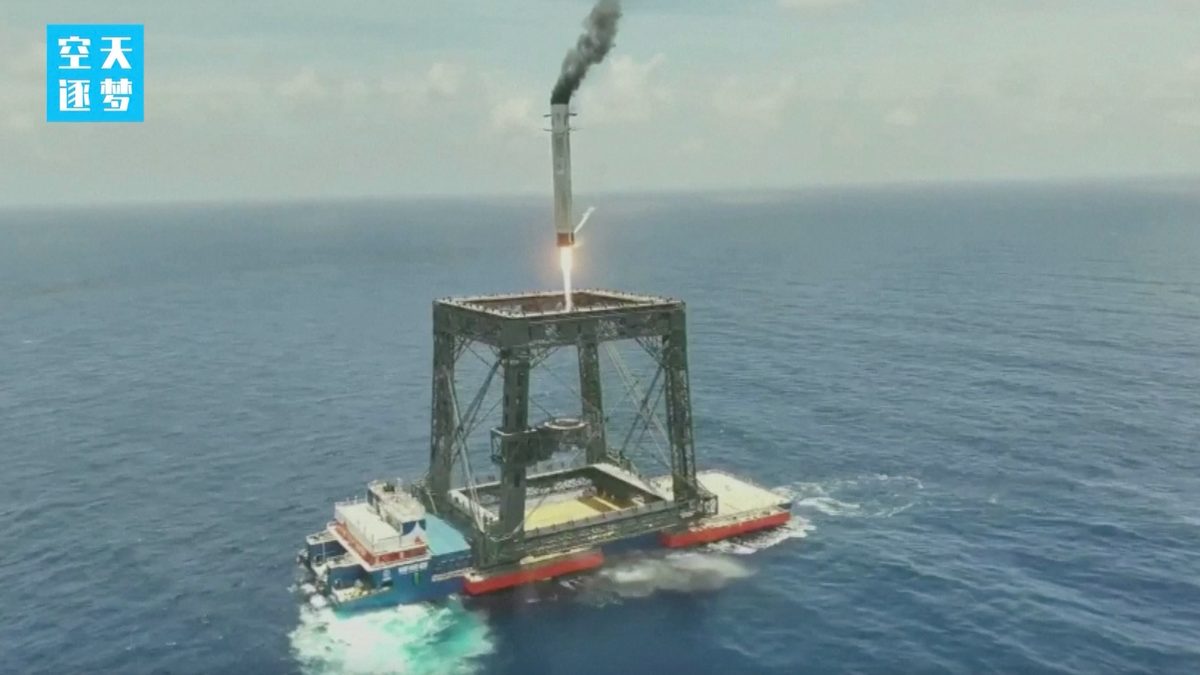
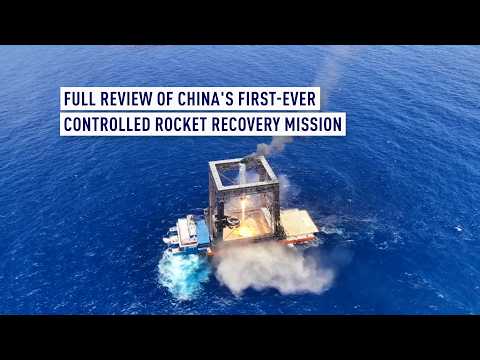
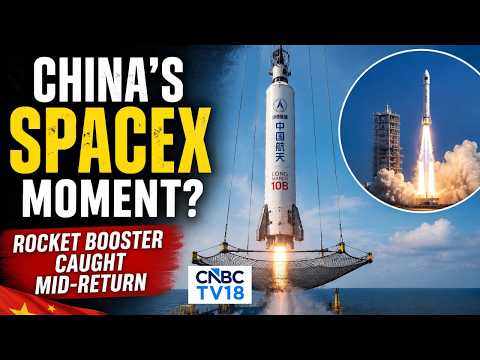
A net-based sea catch on the Long March 10B's debut makes China the second country to bring an orbital-class booster home intact.

Today: Long March 10B flies and its booster is caught in a net

Overview

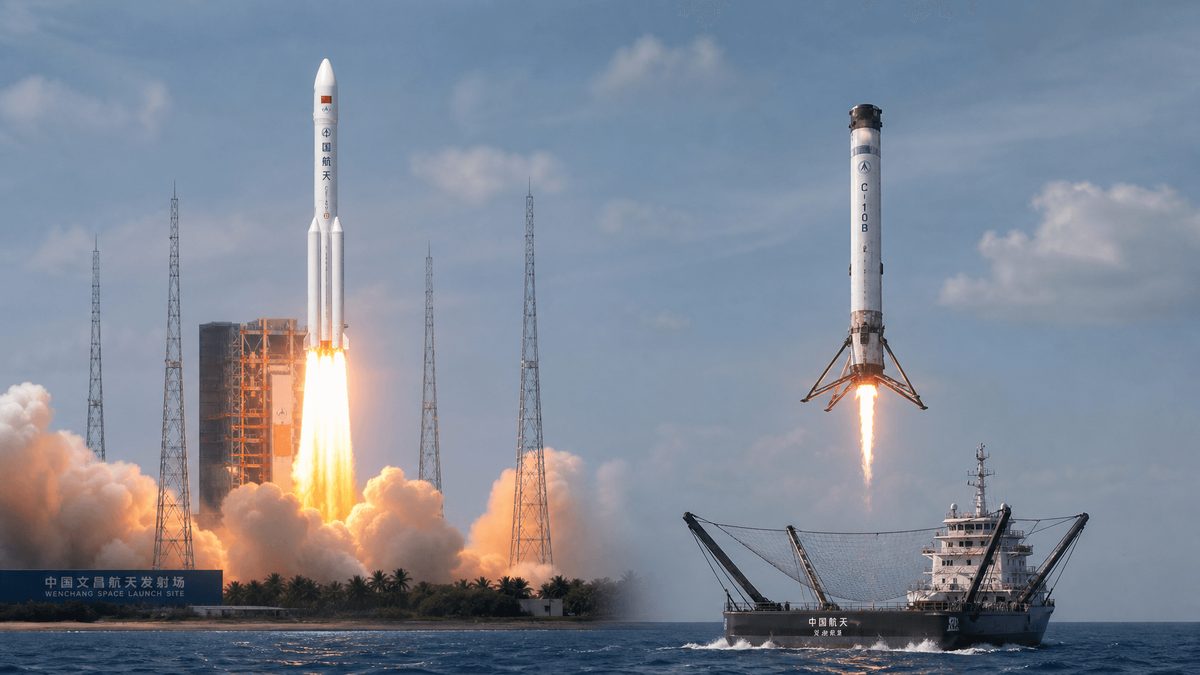
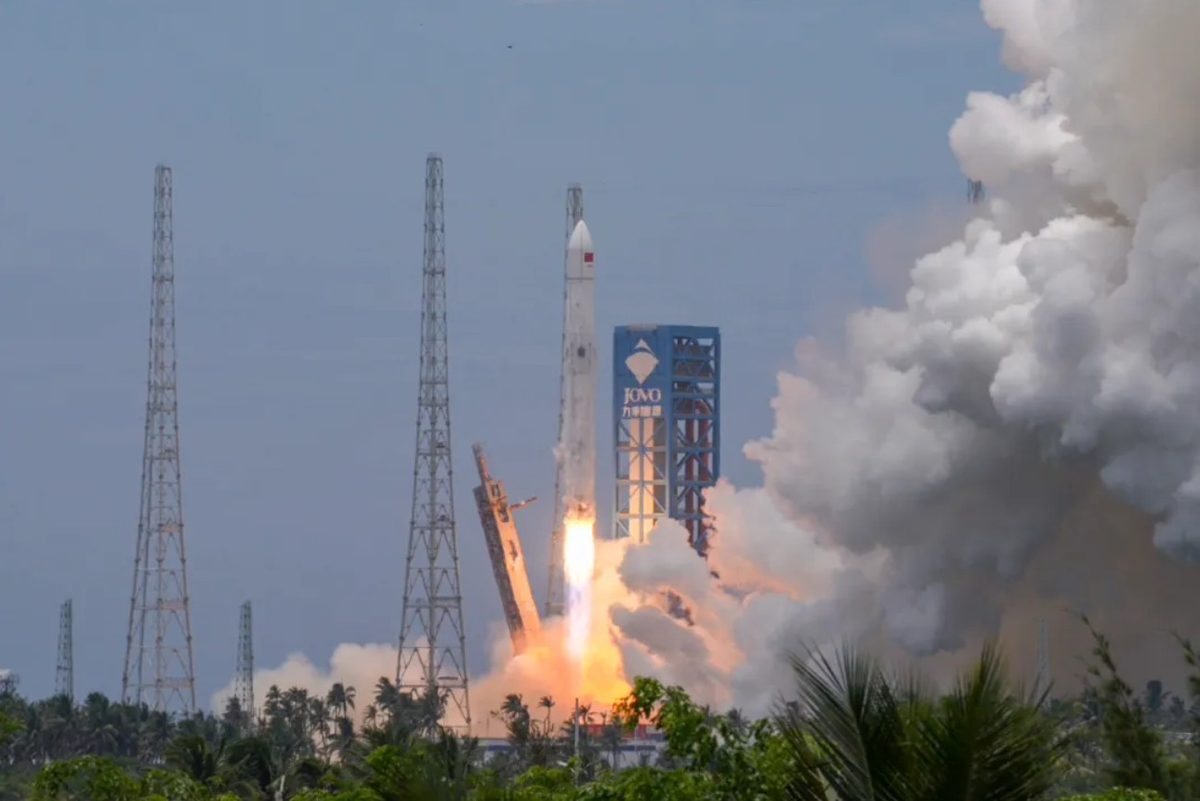
For a decade, only American rockets had flown to orbit and brought their boosters back for reuse. On July 10, China joined them. Its new Long March 10B launched from Hainan, and 11 minutes later a sea platform caught the returning first stage in a net.

The Long March 10 family is the rocket China plans to ride to the Moon before 2030. Recovering and reusing its booster is how China hopes to make those launches cheaper and more frequent.

Why it matters

Reusable boosters cut the cost of reaching orbit, and China just proved it can build them, tightening the race to put astronauts back on the Moon.

Questions about this story

No questions yet — be the first to ask.

Key Indicators

2nd
Country to recover an orbital booster
The United States, through SpaceX and Blue Origin, was the only one before.
11 min
Liftoff to net capture
The booster was caught about six minutes after separating from the rocket.
16,000 kg
Reusable payload to low orbit
How much the Long March 10B can lift when its booster is recovered.
2030
Target for crewed Moon landing
China's stated deadline to land astronauts, using the Long March 10 family.
63 m
Rocket length
The Long March 10B is 5 meters wide and weighs 760 tonnes fueled.

Voices

Curated perspectives — historical figures and your fellow readers.

Ever wondered what historical figures would say about today's headlines?

Sign up to generate historical perspectives on this story.

Play

Exploring all sides of a story is often best achieved with Play.

Log in to play. Track your picks, climb the leaderboards. Log in Sign Up
Predict 3 ways this could play out. Contrarian picks score more — points lock when the scenario resolves. Log in to play
Higher or Lower Two numbers from this story. Guess which is bigger. 5 rounds to set a streak. Log in to play
Connections Sixteen names from the news. Find the four hidden groups of four. Log in to play

People Involved

Organizations Involved

Timeline

December 2015 July 2026

2 events Latest: Today
  1. Long March 10B flies and its booster is caught in a net

    Today Milestone

    China launched the Long March 10B from Hainan and captured the first stage on a sea platform 11 minutes later, its first orbital booster recovery.

  2. SpaceX lands the first orbital booster

    Milestone

    A Falcon 9 first stage returned and landed upright in Florida, the first orbital-class booster recovered.

Historical Context

3 moments from history that rhyme with this story — and how they unfolded.

December 2015

SpaceX lands its first orbital booster (2015)

After two crashes on ocean drone ships earlier that year, a Falcon 9 first stage returned from an orbital launch and landed upright at Cape Canaveral. It carried 11 ORBCOMM satellites to orbit first. It was the first time any orbital-class booster came back intact.

Then

SpaceX began refurbishing and reflying boosters within 18 months.

Now

Reuse became routine and helped SpaceX dominate the commercial launch market on price.

Why this matters now

China's July catch puts it roughly where SpaceX stood in 2015: recovery proven, cheap reuse still to be demonstrated.

April 1981 to July 2011

The Space Shuttle promises cheap reuse (1981)

NASA flew the first reusable orbital vehicle, promising airliner-like turnaround and low costs. In practice, refurbishing each shuttle took months and ran into the hundreds of millions of dollars per flight. The system flew 135 missions over 30 years.

Then

Turnaround times and costs came in far above early projections.

Now

The program showed that reusable hardware does not automatically mean cheap launches.

Why this matters now

It is the cautionary case for the Long March 10B: recovering a booster is the first step, not proof of lower cost.

1961 to 1969

The US-Soviet race to the Moon (1969)

The United States and Soviet Union competed to land humans on the Moon, driven by rival deadlines and national prestige. Apollo 11 landed Neil Armstrong and Buzz Aldrin in July 1969. The Soviet crewed lunar effort never reached the surface.

Then

The US claimed the landing; the Soviet program quietly wound down.

Now

Moon landings became a benchmark of technological standing between rival powers.

Why this matters now

China's 2030 goal and NASA's Artemis plans revive that rival-deadline dynamic, with reusable rockets now part of the contest.

Sources

(5)