Pull to refresh
Logo
Daily Brief
Following
Why Ranks Sign Up
Japan's H3 rocket returns to flight with new booster-free design

Japan's H3 rocket returns to flight with new booster-free design

New Capabilities

Six months after a fuel-line failure lost a navigation satellite, JAXA and Mitsubishi fly the cheaper H3-30 variant with the Mars mission window at stake

Yesterday: Return-to-flight launch attempt from Tanegashima

Overview

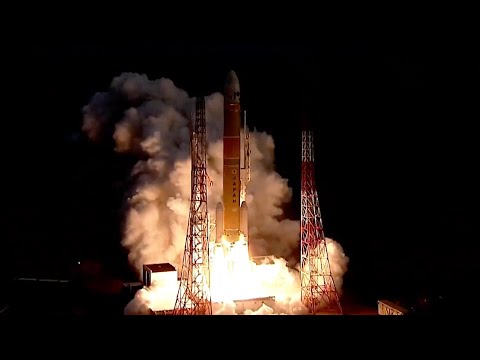
Japan retired its workhorse H-IIA rocket in 2025 and bet its access to space on a cheaper replacement, the H3. In December 2025 that rocket failed in flight and dropped a navigation satellite. On June 10, 2026, JAXA tried to fly again from Tanegashima Space Center.

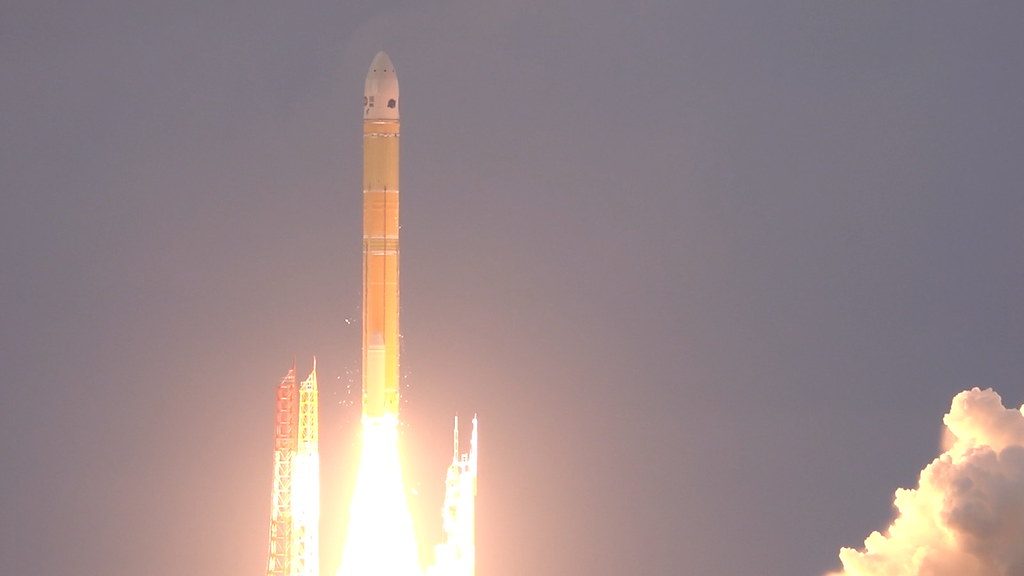
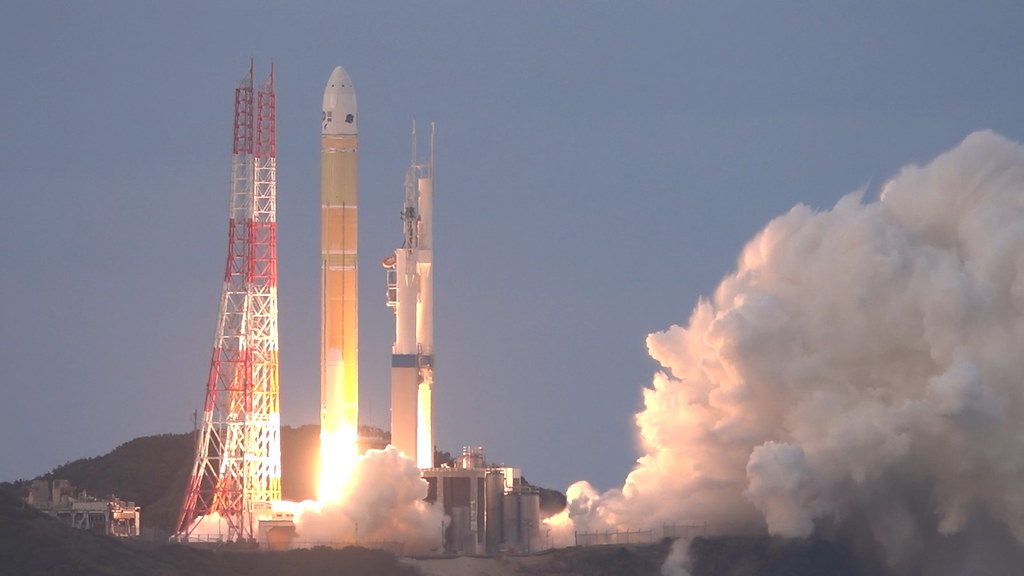
This flight carries a stripped-down version of the rocket with no strap-on boosters, meant to cut launch costs. It also has to prove the fix for the failure works. If it does not, Japan risks missing a narrow window to send a spacecraft to Mars later this year.

Why it matters

This is Japan's only homegrown ride to orbit. A second failure in a row would strand a Mars mission and push commercial customers toward SpaceX.

Questions about this story

No questions yet — be the first to ask.

Key Indicators

9th
H3 flights since 2023
The program's ninth launch since its first attempt in March 2023.
2
Failures in 8 prior flights
The 2023 debut and the December 2025 flight both ended in lost payloads.
~$50M
Target cost per launch
Roughly half the price of the retired H-IIA, the H3's main selling point.
6
Small satellites aboard
Rideshare payloads including the student-built STARS-X and JAXA's VERTECS.
Late 2026
Mars mission window
The MMX probe must launch in a short window or wait until 2028.

Voices

Curated perspectives — historical figures and your fellow readers.

Ever wondered what historical figures would say about today's headlines?

Sign up to generate historical perspectives on this story.

Play

Exploring all sides of a story is often best achieved with Play.

Log in to play. Track your picks, climb the leaderboards. Log in Sign Up
Predict 3 ways this could play out. Contrarian picks score more — points lock when the scenario resolves. Log in to play
Higher or Lower Two numbers from this story. Guess which is bigger. 5 rounds to set a streak. Log in to play
Connections Sixteen names from the news. Find the four hidden groups of four. Log in to play

People Involved

Organizations Involved

Timeline

March 2023 June 2026

4 events Latest: Yesterday
Tap a bar to jump to that date
  1. Return-to-flight launch attempt from Tanegashima

    Latest Launch

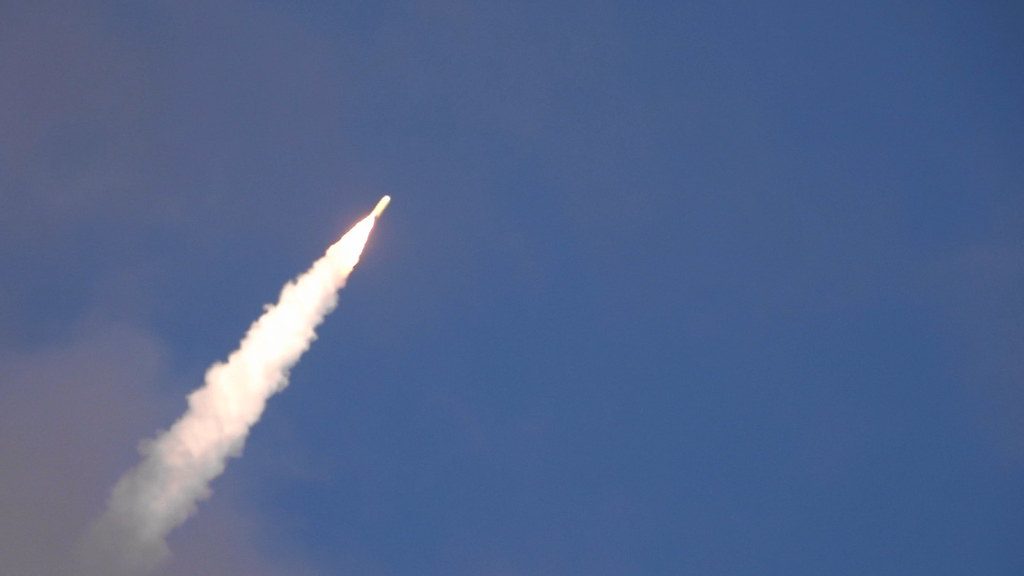
    JAXA targeted June 10 for the ninth H3 flight, the maiden run of the booster-free H3-30 variant carrying a mass simulator and six small satellites. Weather pushed the attempt to June 12.

  2. Upper stage fails, navigation satellite lost

    Failure

    The second-stage engine shut down early and failed to place the Michibiki No. 5 navigation satellite in its correct orbit. It was the second failure in the program's first eight flights.

  3. H3 reaches orbit on second try

    Milestone

    The second test flight, configured as an H3-22S, reached its intended orbit. It was the program's first full success.

  4. H3 debut fails, ALOS-3 satellite lost

    Failure

    On its first flight, the H3's second stage failed to ignite. Controllers sent a self-destruct command, destroying the rocket and an Earth-observation satellite.

Historical Context

3 moments from history that rhyme with this story — and how they unfolded.

November 2003

H-IIA recovers from its 2003 failure

Japan's previous flagship rocket, the H-IIA, failed on its sixth flight in November 2003 when a booster would not separate, destroying two spy satellites. JAXA grounded the rocket for more than a year to investigate.

Then

The H-IIA returned to flight in February 2005 after design changes.

Now

It then flew dozens of missions with a strong success rate before retiring in 2025, becoming Japan's reliable workhorse.

Why this matters now

The H-IIA shows a rocket can recover from an early failure and become dependable. JAXA is trying to repeat that path with the H3.

September 2008

SpaceX Falcon 1 reaches orbit on its fourth try

SpaceX's first rocket failed three times before reaching orbit in September 2008. The company was nearly out of money when the fourth flight succeeded.

Then

The success won SpaceX a NASA cargo contract that kept it alive.

Now

It set the foundation for the Falcon 9, now the world's most-flown rocket.

Why this matters now

New rockets often fail early. The H3's value depends less on a single flight than on whether it becomes reliable and cheap enough to win contracts.

June 1996

Ariane 5 explodes on its maiden flight

Europe's Ariane 5 self-destructed 37 seconds after launch in June 1996 because of a software flaw, destroying four science satellites.

Then

Europe paused, fixed the software, and flew again in 1997.

Now

Ariane 5 went on to fly for 27 years and became a backbone of commercial launch.

Why this matters now

Like the H3, Ariane 5 was a national-pride program built for the commercial market. Its recovery shows early stumbles need not define a rocket's career.

Sources

(6)