
Pull to refresh
Logo
China's carbon emissions fall 3.1% as clean power outpaces demand

China's carbon emissions fall 3.1% as clean power outpaces demand

Built World

The third-quarter drop is the largest since the 2022 lockdowns, with coal generation and transport oil use both down

Overview

Updated 1 hour ago

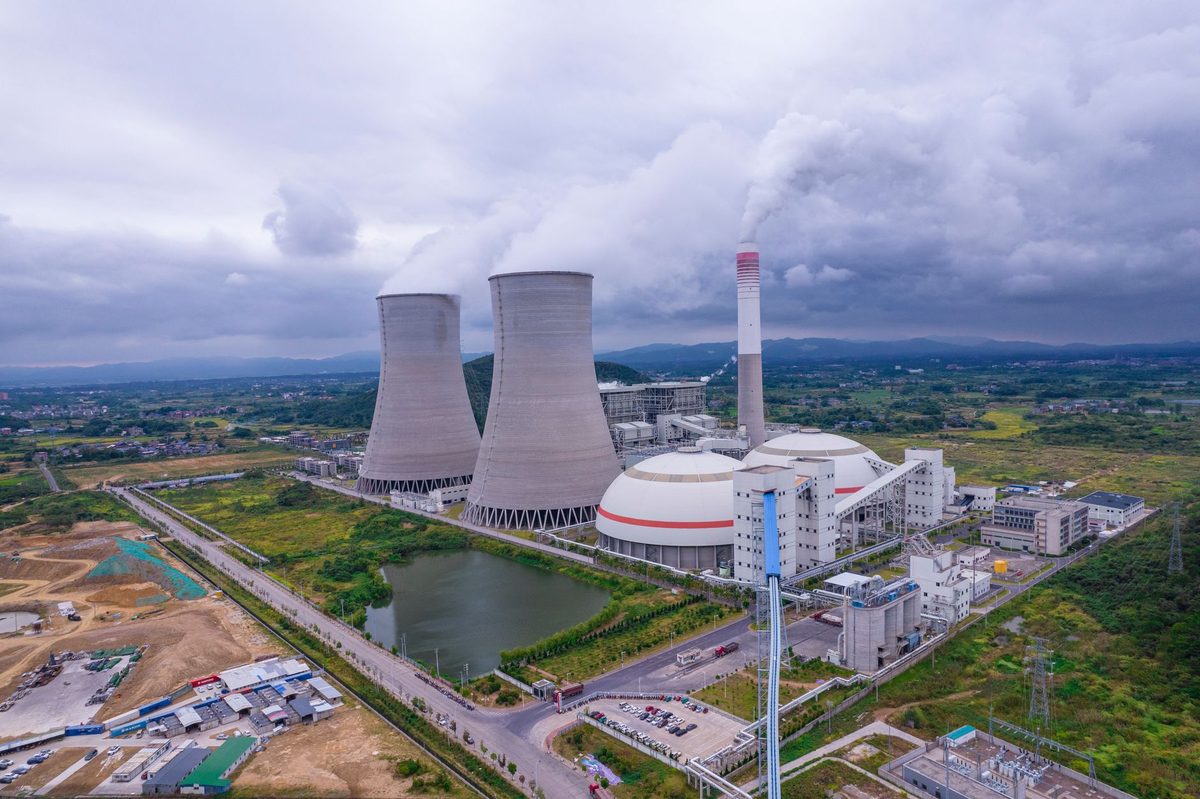
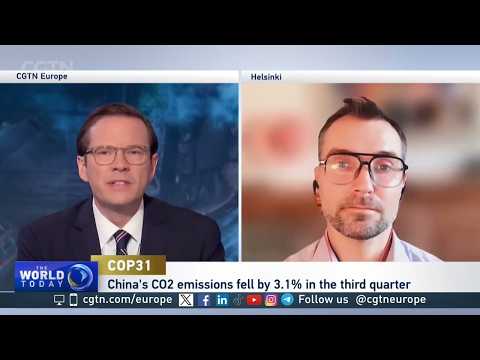
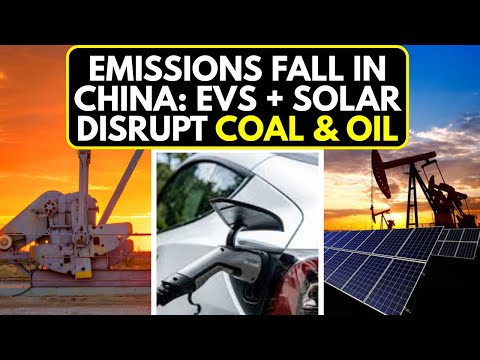
China's carbon dioxide emissions fell 3.1% in the third quarter of 2026 from a year earlier, the largest quarterly drop since the 2022 Covid lockdowns. Coal-fired power generation fell 3.3% and transport oil use fell 9%.

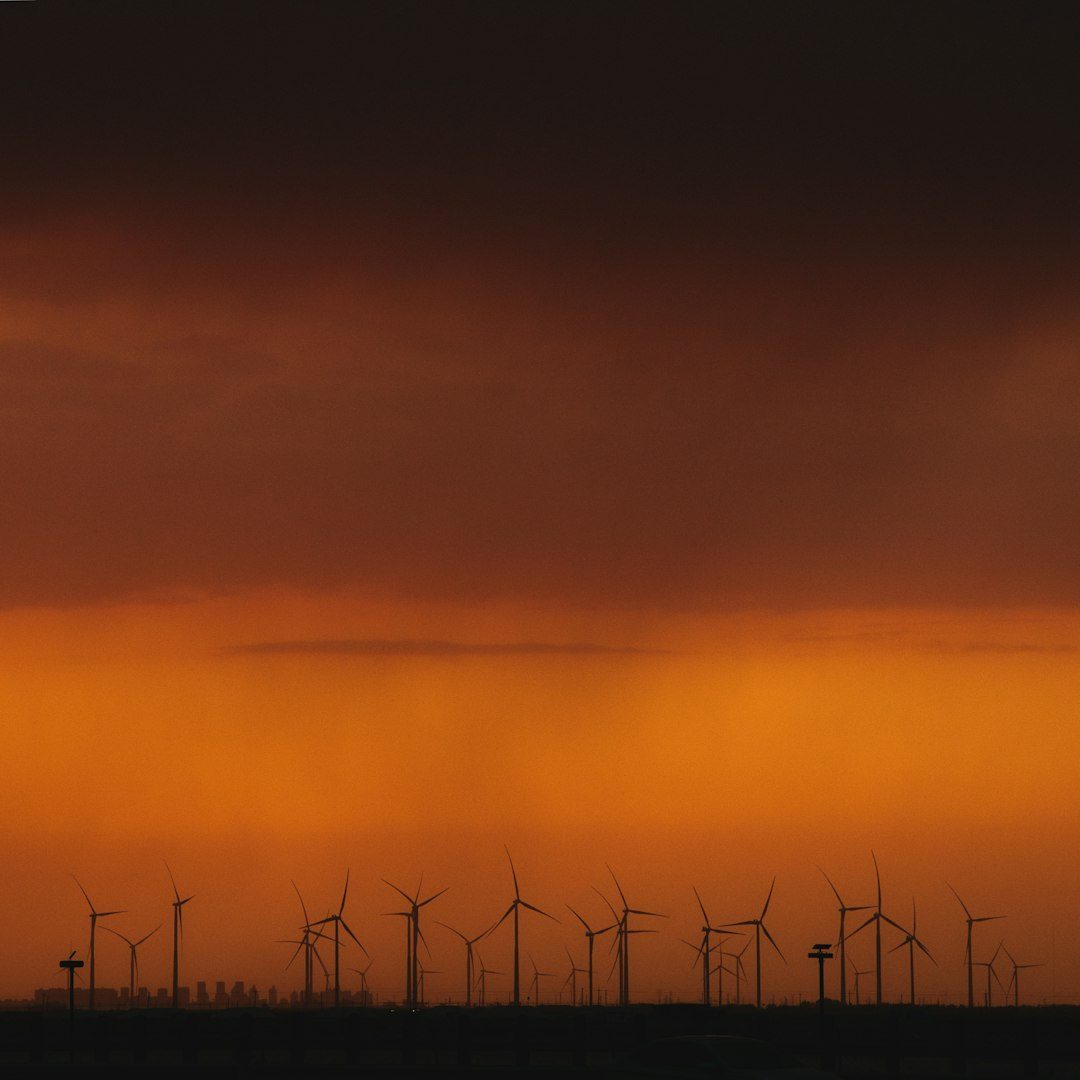
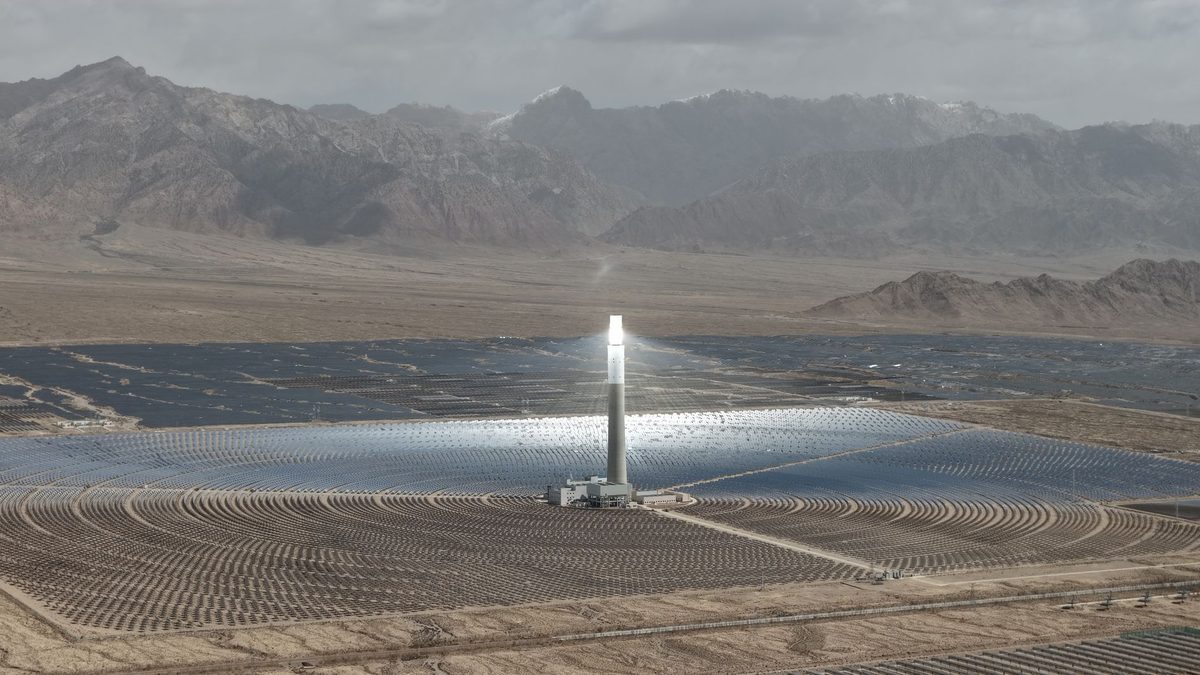
The decline extends a flat-or-falling trend that began in March 2024. New solar, wind and nuclear plants added 110 terawatt-hours of generation, more than twice the growth in electricity demand, so clean power covered the increase and pushed coal out of the mix.

Why it matters

China is the world's largest emitter; whether its emissions keep falling shapes how fast the global climate trajectory bends.

Questions about this story

Free account needed to ask — your question is kept and asked for you right after sign-up. Answers are public.

No questions yet — be the first to ask.

Key Indicators

3.1%
Q3 2026 CO2 decline
Year-on-year fall in China's carbon dioxide emissions, the largest quarterly drop since 2022.
3.3%
Coal-power generation decline
Year-on-year fall in electricity generated from coal in the third quarter of 2026.
9%
Transport oil use decline
Year-on-year fall in oil consumed by transport, as electric vehicles take market share.
67%
EV share of passenger car sales
Record share of new passenger cars sold in September 2026 that were electric.
110 TWh
Clean generation added
Year-on-year increase from solar, wind and nuclear, more than twice the growth in total electricity demand.
49.7%
Coal share of electricity, H1 2026
Record-low share of China's power generated from coal in the first half of 2026.
360 TWh
Wind and solar curtailed, H1 2026
Clean electricity generated but not delivered, roughly enough to power the UK for a year.

Voices

Curated perspectives — historical figures and your fellow readers.

Sign up to generate historical perspectives on this story.

People Involved

Organizations Involved

Timeline

March 2024 November 2026

5 events Latest: Yesterday
Tap a bar to jump to that date
  1. CREA reports 3.1% quarterly emissions drop

    Latest Report

    The Centre for Research on Energy and Clean Air estimates China's third-quarter CO2 fell 3.1% year-on-year, the largest drop since 2022.

  2. Solar capacity overtakes coal

    Milestone

    Installed solar capacity in China passes coal capacity for the first time, though coal still generates far more electricity.

  3. Coal's share of electricity hits record low

    Data

    Coal generates 49.7% of China's electricity in the first half of 2026, down from about 54% in 2025.

  4. Emissions fall after a 2024 peak

    Data

    Climate Action Tracker estimates China's emissions reached their highest level in 2024 and fell in 2025.

  5. China's emissions enter a flat-or-falling trend

    Data

    CREA's tracking shows China's carbon dioxide emissions stop rising and hold roughly flat from March 2024 onward.

Scenarios

1

Emissions fall again in Q4, confirming a 2026 annual decline

Likely Resolves by Q1 2027

Discussed by: CREA and Carbon Brief

Clean generation keeps growing faster than electricity demand, and the fourth quarter posts another year-on-year decline. That would make 2026 the second or third straight year of falling emissions and strengthen the case that China peaked in 2024.

2

Coal generation rebounds as grid bottlenecks persist

Possible Resolves by Jan 31, 2027

Discussed by: CREA and Yale Environment 360

China curtails hundreds of terawatt-hours of wind and solar because its grid cannot move power from where it is generated. New coal plants, backed by purchase guarantees, keep running. If demand growth outpaces clean additions, coal generation climbs again and the emissions decline stalls.

3

Beijing formally declares its emissions have peaked

Uncertain Resolves by End of 2027

Discussed by: CREA and Climate Action Tracker

China has not confirmed a peak, and its most recent official emissions inventory covers 2021. A formal declaration would come through a new Nationally Determined Contribution or an official statement naming a peak year. Analysts say the policy language remains ambiguous about what a peak would mean.

Historical Context

2 moments from history that rhyme with this story — and how they unfolded.

2014-2016

China's industrial downsizing (2014-2016)

Beijing cut overcapacity in steel and coal as economic growth slowed. Coal consumption fell for three straight years, and China's emissions plateaued.

Then

Coal use and emissions dipped while heavy industry contracted.

Now

Emissions resumed rising in 2017 and 2018 as stimulus revived construction, showing that industrial cuts alone did not hold.

Why this matters now

The 2014-2016 episode is the closest precedent for a Chinese emissions plateau. The difference now is that clean power, not just industrial contraction, is displacing coal.

2022

Covid lockdowns (2022)

Shanghai and other cities shut down for months, pausing factories and transport. China's quarterly emissions posted their largest drop in years.

Then

Emissions fell sharply as economic activity stopped.

Now

Emissions rebounded once restrictions lifted, because the drop came from lower demand, not a changed energy mix.

Why this matters now

The 2026 decline is the largest since 2022, but analysts say this one rests on structural shifts in power generation and transport rather than a temporary shutdown.

Sources

(7)