Anchor

Dry-cleaning chemical linked to triple the risk of liver scarring
New CapabilitiesTetrachloroethylene in blood is associated with significant liver fibrosis, the scarring that precedes cirrhosis
Yesterday: Keck Medicine alert republished on ScienceDailyNew here? Follow stories to track developments over time. Create a free account to get updates when stories you care about change.
Overview
Updated 1 hour agoThe solvent that removes grease and stains from dry-cleaned clothes is in the blood of 7% of Americans. A new study finds these people are three times more likely to have significant liver fibrosis - the scarring that precedes cirrhosis and liver cancer.
Researchers at Keck Medicine of USC analyzed blood samples from 1,614 adults in the National Health and Nutrition Examination Survey (NHANES). When PCE breaks down in the liver, its metabolites react with liver cells, triggering inflammation and scar tissue. Each additional nanogram of PCE per milliliter of blood raised the odds of significant fibrosis fivefold.
The finding held after adjusting for alcohol use, metabolic syndrome, and other liver risk factors, pointing to PCE as an independent threat. The Environmental Protection Agency has begun a 10-year phaseout of PCE in dry cleaning, but the chemical remains in spot removers, adhesives, and stainless steel polish - and it lingers in groundwater from past spills.
Why it matters
A chemical in 7% of Americans' blood triples their risk of liver scarring - and the EPA is only now phasing it out.
Questions about this story
Free account needed to ask — your question is kept and asked for you right after sign-up. Answers are public.
No questions yet — be the first to ask.
Key Indicators
7%
US adults with detectable PCE in blood
From NHANES data collected 2017-2020, roughly 1 in 14 Americans carries the chemical.
3.2x
Odds of significant liver fibrosis with PCE exposure
Adjusted for age, sex, race, education, alcohol use, and metabolic syndrome (95% CI 1.2-8.2).
5.1x
Odds increase per 1 ng/mL of blood PCE
Dose-response relationship: higher PCE concentrations meant higher fibrosis risk (95% CI 1.1-24.3).
1,614
Adults included in the study analysis
NHANES participants aged 20 and older; people with hepatitis and smokers were excluded.
10 years
EPA phaseout timeline for PCE in dry cleaning
The agency also banned or placed workplace controls on other PCE uses.
Related Media
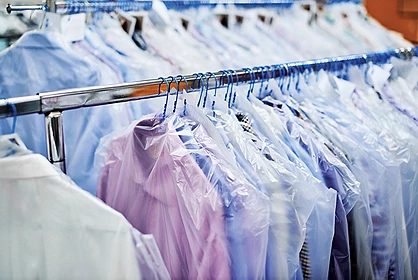
EPA cracks down on dry-cleaning solvent perchloroethylene
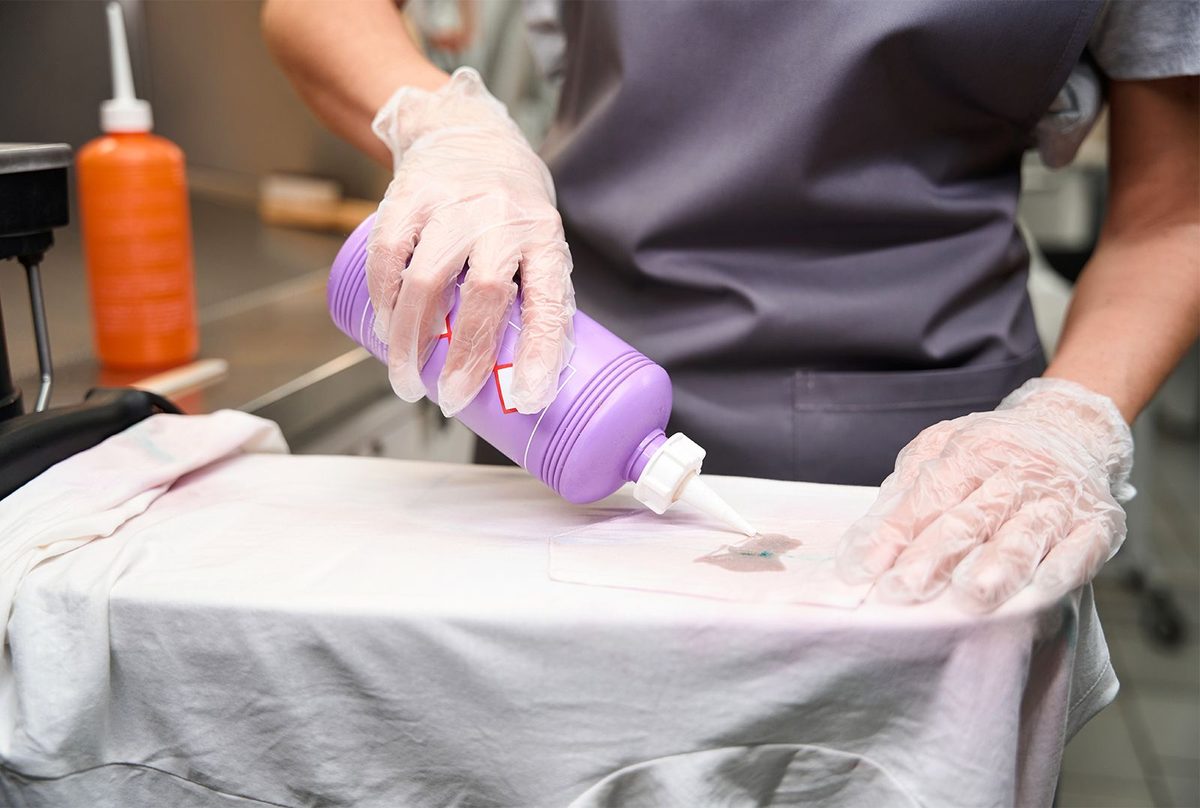
How Does Dry Cleaning Work? | Process, Chemical Solvents, Carbon Tetrachloride, & Tetrachloroethylene | Britannica
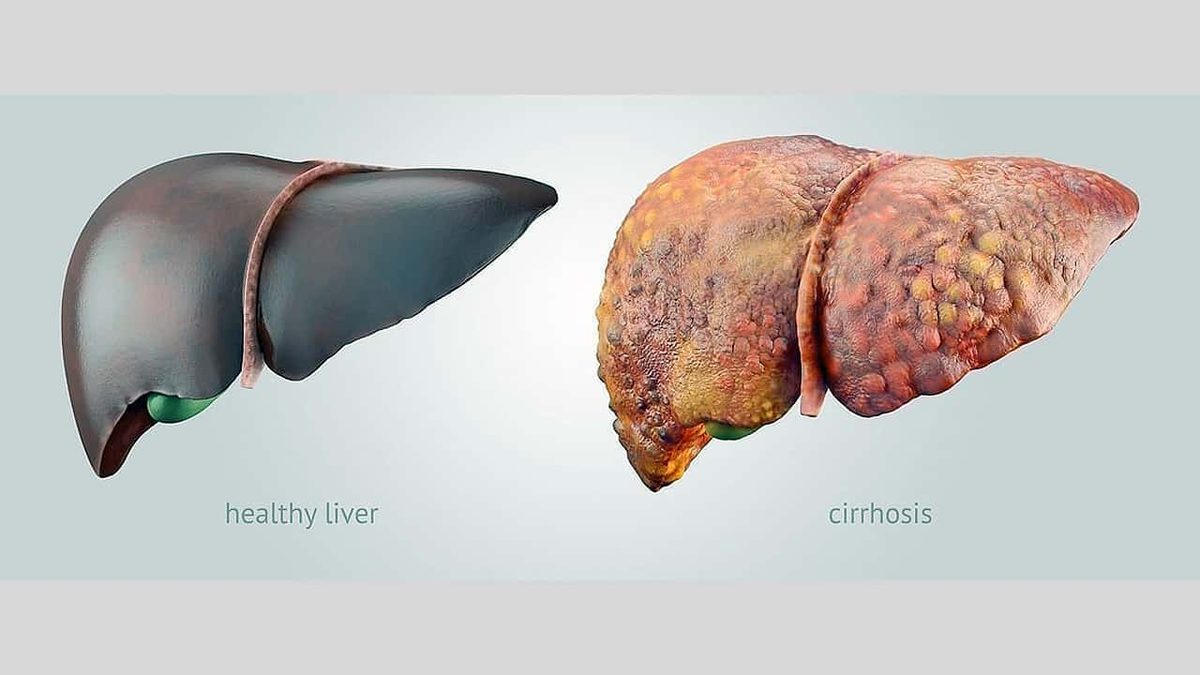
Cirrhosis: Severe Liver Scarring
1.8K views
7:36
Dry Cleaning Toxin: The 3X Increased Risk Most People Don't ...
Sean Hashmi, MD
118 views
1:21
Dry Cleaning Chemical Tied to Hidden Liver Damage
HealthDay
6.4K views
2:19
Triangle dry cleaners react to EPA banning cleaning chemical
CBS 17
Images from Openverse under Creative Commons licenses. Videos from YouTube.
Voices
Curated perspectives — historical figures and your fellow readers.
Play
Exploring all sides of a story is often best achieved with Play.
Most of these play right now — no account needed. Sign up to save scores, keep a streak, and unlock Debate and Predict.
Log in
Sign Up
Higher or Lower
A number from this story, against one from elsewhere in the news — guess which is bigger, then keep the chain going. 5 rounds, 3 strikes; a miss costs a strike and resets your streak.
Example
Anchor
EU tariff revenue
$52B
Big for this kind of number
Mystery
Pentagon AI contract
?
Round 1
Streak: 0
Mystery
?
Keyboard: ↓/L lower · ↑/H higher
0 pts
Best streak: 0 · Rounds: 0
0 points — sign up to put that on the leaderboard.
Now try on this story
Connections
Sixteen names from the news. Find the four hidden groups of four. Four mistakes max.
Loading today's puzzle…
0/4 groups
Mistakes
Sign up to keep a daily streak — a new puzzle lands every day.
Now try on this story
Exit debate?
Your progress in this debate will be lost.
How it works
- 1 Two AI personas square off on this story.
- 2 You predict who'll win each round — correct picks earn XP.
- 3 One crossfire question is yours to fire. Pick it carefully.
Couldn't generate a topic
Select Your Champions
Choose one persona for each side of the debate
DEBATE TOPIC
Choose personas with different perspectives for a more dynamic debate.
SIDE A (PRO)
Select debater for this side:
No debate personas available right now.
SIDE B (CON)
Select debater for this side:
No debate personas available right now.
VS
Get ready to make your prediction...
Round of
Claim
Evidence
Stakes
Crossfire Answer
Closing Statement
Claim
Evidence
Stakes
Crossfire Answer
Closing Statement
Your Crossfire Question
Generating arguments...
Who's Got This Round?
Make your prediction before the referee scores
The referee scores both sides on
Correct predictions earn +20 XP
· Press 1 or 2 to pick
Evidence
40%
Logic
30%
Detail
20%
Style
10%
Round Results
Your Pick
Not this time
(%)
Overall Score
/10
Your Pick
Not this time
(%)
Overall Score
/10
Set the Crossfire
Pick the question both personas must answer in the final round
Crafting crossfire questions...
Choosing a question earns +10 XP crossfire bonus
🏆
Total XP Earned
Cred Change
Predictions
Debate Oracle! You called every round!
Sharp Instincts! You know your debaters!
The Coin Flip Strategist! Perfectly balanced!
The Contrarian! Bold predictions!
Inverse Genius! Try betting the opposite next time!
XP Breakdown
Base completion
+20 XP
Rounds played ( rounds x 5 XP)
+ XP
Correct predictions ( correct x 20 XP)
+ XP
Crossfire bonus
+10 XP
Accuracy
%
Prediction History
Round
You picked:
✓
✗
Now try on this story
Keep debating to level up your credibility and unlock achievements
People Involved
Organizations Involved
Keck Medicine of USC
Academic Medical Center
Conducted the study
The research institution behind the PCE-liver fibrosis study, based in Los Angeles.
U.S. Environmental Protection Agency (EPA)
Federal Regulatory Agency
Phasing out PCE in dry cleaning over 10 years
The federal agency regulating tetrachloroethylene use in the United States.
Centers for Disease Control and Prevention (CDC)
Federal Research Agency
Runs the NHANES survey used in the study
The CDC's National Center for Health Statistics conducts NHANES, the survey that provided blood samples for the PCE analysis.
Timeline
January 2017 September 2026
3 events
Latest: Yesterday
-
Keck Medicine alert republished on ScienceDaily
Latest StatementThe university's press release on the PCE-liver fibrosis link is redistributed, renewing public attention on the finding.
-
Liver International publishes the PCE-liver fibrosis study
PublicationKeck Medicine researchers report a 3.2x odds of significant liver fibrosis among adults with detectable PCE in blood.
-
NHANES begins collecting PCE blood measurements
Data CollectionThe CDC's national health survey starts measuring tetrachloroethylene in participants' blood, a cycle that runs through 2020.
Historical Context
3 moments from history that rhyme with this story — and how they unfolded.
1953-1987
Camp Lejeune water contamination (1953-1987)
PCE and other volatile organic compounds contaminated drinking water wells at Marine Corps Base Camp Lejeune in North Carolina for three decades. Military families drank, bathed, and cooked with the water.
Then
The contamination was discovered in the 1980s and the wells were closed.
Now
The 2022 PACT Act provided disability compensation for affected veterans and families; studies found links to cancers and liver disease.
Why this matters now
Real-world evidence that PCE in drinking water has harmed thousands of Americans, showing the chemical's effects extend well beyond dry-cleaning workers.
January 1974
Vinyl chloride and liver angiosarcoma (1974)
Three workers at B.F. Goodrich's Louisville PVC plant died of angiosarcoma of the liver, an extremely rare cancer. Within months, vinyl chloride was identified as the cause through epidemiological investigation.
Then
The Occupational Safety and Health Administration issued an emergency temporary standard capping worker exposure.
Now
The discovery reshaped chemical safety regulation, establishing the precedent that industrial chemicals can cause liver disease even at previously 'acceptable' exposure levels.
Why this matters now
A direct precedent: liver disease traced to an industrial chemical, leading to federal action. The PCE finding is an earlier stage - fibrosis precedes cancer.
1940s-1950s
Carbon tetrachloride in dry cleaning (1940s-1950s)
Carbon tetrachloride was the original dry-cleaning solvent, used widely from the 1930s. By the 1940s, it was recognized as a potent hepatotoxin causing liver necrosis in workers and consumers who used it in home spot removers.
Then
The industry replaced carbon tetrachloride with PCE, which was marketed as a safer alternative.
Now
Carbon tetrachloride became one of the most tightly restricted chemicals, with production eventually banned under the Montreal Protocol.
Why this matters now
This is the exact pattern repeating: one chlorinated solvent was swapped for PCE because of liver toxicity, and PCE is now under the same scrutiny.
Sources
(7)Related Stories
Fatty liver disease linked to higher cardiovascular risk in large cohort studies
New Capabilities
Updated Yesterday
One-time CRISPR therapy keeps cholesterol lower for a full year in early trial
New Capabilities
Updated 5 days ago
The race to detect cancer from a blood draw
New Capabilities
Updated Aug 13
America's 100-fold victory over lead
Rule Changes
Updated May 27
At-home urine test spots bladder cancer in nine of ten NHS cases
New Capabilities
Updated 11 hours ago
Michigan researchers target the gut to reverse severe fatty liver disease
New Capabilities
Updated Jul 11