Pull to refresh
Logo
Daily Brief
Following
Why Ranks Sign Up
Walmart signs its first nuclear power deal in Illinois

Walmart signs its first nuclear power deal in Illinois

Built World

A retailer joins tech giants in buying round-the-clock nuclear electricity for energy-hungry facilities

Yesterday: Walmart signs its first nuclear deal

Overview

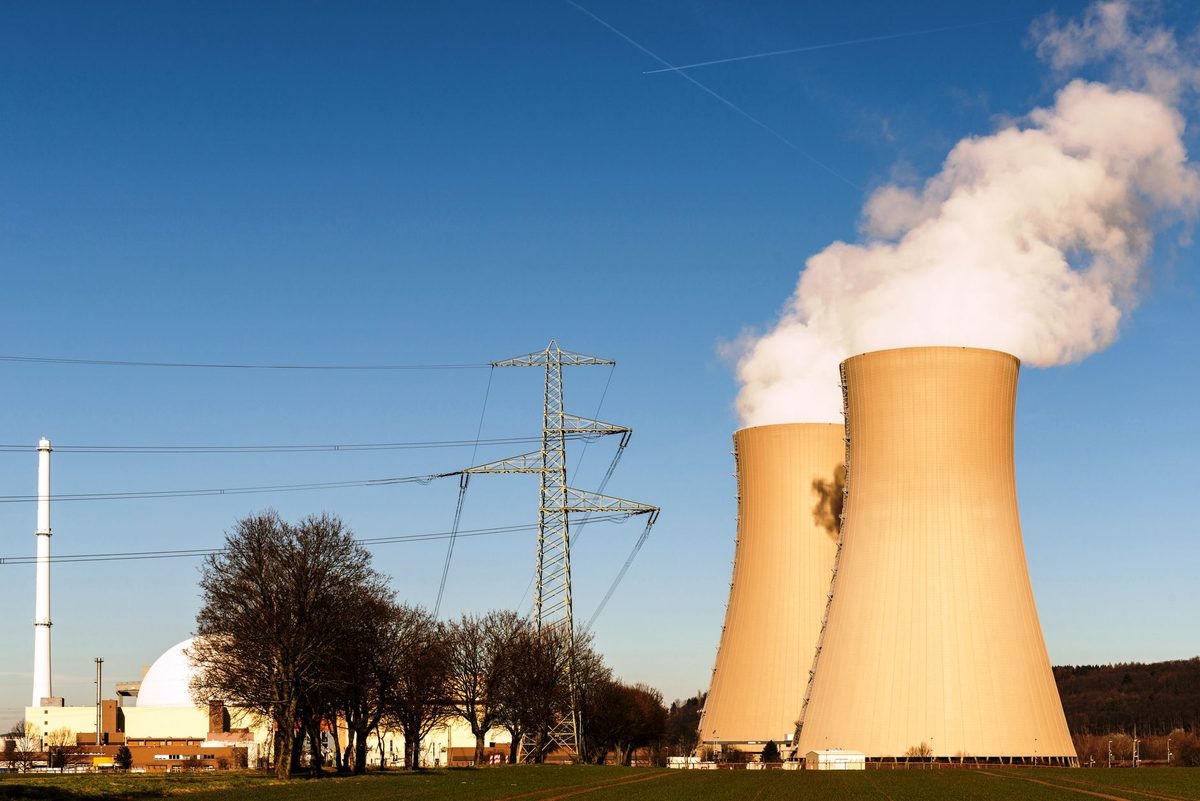
Walmart just bought nuclear power. On June 23, 2026, the retailer signed a long-term deal for electricity from Constellation's Dresden plant in Illinois. It is Walmart's first nuclear agreement.

For two years, the big buyers of nuclear power were tech companies chasing electricity for data centers. Now a retailer wants the same thing: steady, carbon-free power that runs day and night. The deal will run a new perishable-goods warehouse in Belvidere, Illinois.

Why it matters

Nuclear demand is spreading past tech giants to retailers, tightening competition for the scarce supply of round-the-clock clean power.

Questions about this story

0

Why does walmart need this?

Walmart's new Belvidere warehouse runs refrigeration around the clock, and nuclear is the only clean power source that doesn't go dark when the sun sets or wind drops.

Why it matters: It moves nuclear power purchase agreements from a tech-sector tool to a mainstream supply-chain decision.

  • The Belvidere facility is a 1.2 million sq ft automated cold chain warehouse handling eggs, dairy, produce, and frozen goods — refrigeration cannot be paused overnight or on calm days.
  • Nuclear runs at roughly 93% capacity factor vs. 25–35% for solar and wind, making it the only always-on clean energy option at scale without massive battery storage.
  • Walmart is already behind on its 2025 and 2030 emissions targets despite procuring ~48.5% of global electricity from renewables — it needs large, reliable clean power blocks to close the gap toward its 2035 goal of 100% clean electricity.
  • Locking in a fixed-price 15-year nuclear contract also hedges against grid power price volatility for a facility with high, predictable electricity demand.
Room for disagreement
  • Some renewable advocates argue Walmart could achieve 24/7 clean power by pairing solar and wind with battery storage at lower long-term cost — though when full storage requirements are included, all-in costs for solar run well above nuclear's, a figure contested by the battery storage industry as technology improves rapidly.
AI-generated with web search — may be wrong. Check the linked sources.
Play on this story Voices Debate Predict

Key Indicators

176 MW
Power supplied
Wholesale electricity Walmart will buy from the Dresden plant.
30 MW
New 'uprate' capacity
Extra output from efficiency upgrades, with no new reactor built.
30 years
Contract length
Two 15-year terms starting in 2029 and 2030.
~9.8 GW
US corporate nuclear committed
Capacity tied up by corporate buyers across roughly a dozen deals since 2024.

Voices

Curated perspectives — historical figures and your fellow readers.

Ever wondered what historical figures would say about today's headlines?

Sign up to generate historical perspectives on this story.

Play

Exploring all sides of a story is often best achieved with Play.

Log in to play. Track your picks, climb the leaderboards. Log in Sign Up
Predict 3 ways this could play out. Contrarian picks score more — points lock when the scenario resolves. Log in to play
Connections Sixteen names from the news. Find the four hidden groups of four. Log in to play

People Involved

Organizations Involved

Timeline

September 2024 June 2026

5 events Latest: Yesterday
Tap a bar to jump to that date
  1. Walmart signs its first nuclear deal

    Latest Deal

    Walmart agrees to buy 176 megawatts from Constellation's Dresden plant across two 15-year terms. It is the first such deal between a major US retailer and a nuclear plant.

  2. Dresden gets a license extension

    Regulatory

    Federal regulators renew Dresden's operating license, clearing it to run through 2049 and 2051.

  3. Meta locks in the Clinton plant

    Deal

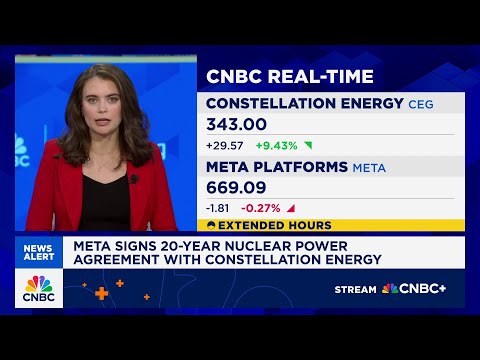
    Meta signs a 20-year deal with Constellation for 1.1 gigawatts from the Clinton plant in Illinois.

  4. Amazon expands its nuclear offtake

    Deal

    Amazon expands its Talen Energy agreement to 1,920 megawatts from the Susquehanna plant in Pennsylvania.

  5. Microsoft revives Three Mile Island

    Deal

    Microsoft signs a 20-year deal with Constellation to restart Three Mile Island Unit 1 for data center power.

Historical Context

3 moments from history that rhyme with this story — and how they unfolded.

September 2024

Microsoft restarts Three Mile Island (2024)

Microsoft signed a 20-year deal with Constellation to restart Three Mile Island Unit 1, the Pennsylvania reactor shut down in 2019. The contract gave Constellation the revenue to revive a plant whose name is tied to the 1979 partial meltdown next door. Microsoft wanted carbon-free power for its data centers.

Then

The deal kicked off a wave of corporate interest in nuclear plants as fixed, always-on power sources.

Now

Restart work targets 2028. It became the template for buyers paying upfront to keep or expand existing reactors.

Why this matters now

Walmart's deal copies the same model: a long-term contract that funds upgrades at an existing Constellation plant rather than building anything new.

June 2025

Meta books the Clinton plant (2025)

Meta signed a 20-year agreement with Constellation for 1.1 gigawatts from the Clinton plant in Illinois, the same state as Walmart's Dresden deal. The contract helped keep an Illinois reactor running past the point where its state subsidy was set to expire.

Then

Clinton's near-term future was secured by a single corporate buyer.

Now

It showed that one large customer could anchor the economics of an aging plant for two decades.

Why this matters now

Both deals use Constellation's Illinois reactors to supply one big buyer, showing how the state's existing fleet is being matched to corporate demand.

June 2025

Amazon expands its Talen offtake (2025)

Amazon expanded its deal with Talen Energy to 1,920 megawatts from the Susquehanna plant in Pennsylvania, tied to a data center campus next to the reactor. The arrangement routed plant output straight to Amazon's computing load.

Then

Amazon secured one of the largest corporate nuclear supply commitments to date.

Now

It pushed regulators to weigh how much existing grid power should be redirected to single private buyers.

Why this matters now

It marks the scale of demand Walmart is now competing with: hyperscalers are claiming gigawatts of the same baseload supply retailers want.

Sources

(5)