

Pull to refresh
Logo
DoorDash to acquire Instacart for $17 billion

DoorDash to acquire Instacart for $17 billion

Money Moves

The two largest U.S. delivery apps combine at $65 a share, pending antitrust review

Overview

Updated 54 minutes ago

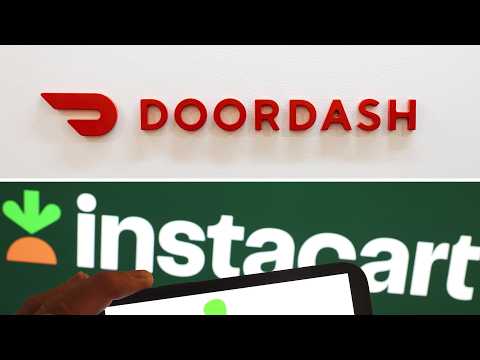
DoorDash agreed to buy Instacart for about $17 billion, folding America's two largest on-demand delivery apps into one company. The deal, announced October 29, pays $65 a share and is expected to close in late 2027 or the first half of 2028.

Instacart brings roughly 100,000 stores and its grocery ordering technology; DoorDash brings its delivery network and restaurant base. Their pitch: together they can counter Amazon and Walmart, which are building same-day grocery operations at scale. The deal needs stockholder approval and antitrust clearance in the United States, Canada, and Israel.

Why it matters

If approved, one company controls most of America's on-demand delivery, leaving grocers fewer online options as Amazon and Walmart expand.

Questions about this story

Free account needed to ask — your question is kept and asked for you right after sign-up. Answers are public.

No questions yet — be the first to ask.

Key Indicators

$17 billion
Equity value of the deal
DoorDash pays $65.00 per Instacart share, a 26% premium over the October 22 close.
$65.00
Offer price per Instacart share
Stockholders can take cash, DoorDash stock, or a mix, with cash set at least 75% of total consideration.
26%
Premium over pre-report stock price
Measured against Instacart's closing price on October 22, the last trading day before deal reports.
~100,000
Stores on the Instacart platform
DoorDash says Instacart customers would gain access to 50,000 additional stores on its network.
600,000
Instacart shoppers
Independent contractors who fulfill orders; DoorDash says they can keep choosing their own batches and hours.

Voices

Curated perspectives — historical figures and your fellow readers.

Sign up to generate historical perspectives on this story.

People Involved

Organizations Involved

Timeline

June 2012 October 2026

5 events Latest: Today
Tap a bar to jump to that date
  1. DoorDash announces $17 billion Instacart acquisition

    Today Deal

    DoorDash agrees to buy Instacart for $65 a share, combining the two largest U.S. delivery apps.

  2. Deal reports surface

    Media

    Last trading day before press reports of a possible DoorDash-Instacart transaction.

  3. Instacart goes public

    IPO

    Instacart lists on Nasdaq under ticker CART, a major test for gig-economy stocks.

  4. DoorDash founded

    Founding

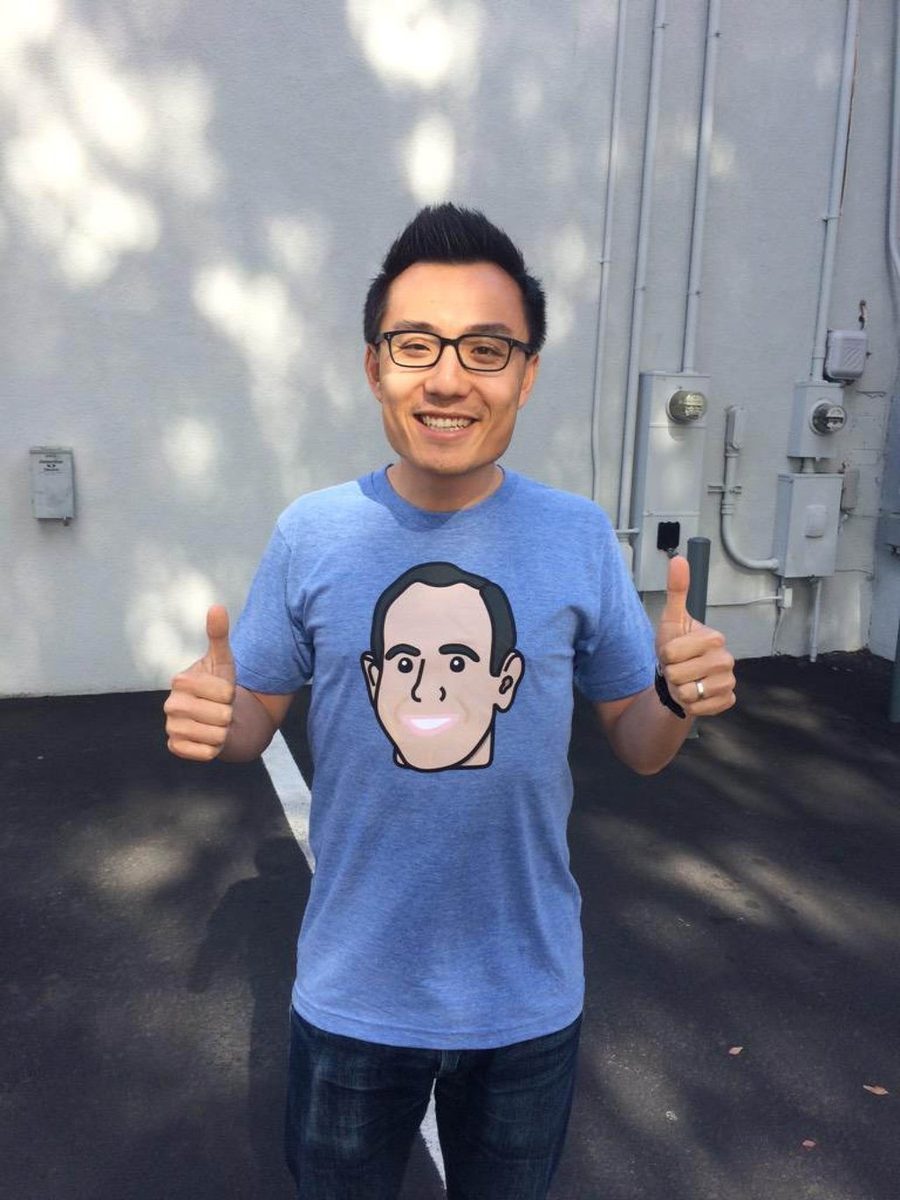
    Tony Xu and Stanford classmates launch a restaurant delivery app in Palo Alto.

  5. Instacart launches

    Founding

    Apoorva Mehta and co-founders start a grocery delivery service in San Francisco.

Scenarios

1

DoorDash closes Instacart acquisition as planned

Likely Resolves by Q2 2028

Discussed by: Company statements; stockholders holding about 19% of Instacart shares have already committed to vote in favor.

The Hart-Scott-Rodino waiting period expires without a challenge, Canadian and Israeli approvals clear, and Instacart stockholders approve. The deal closes in late 2027 or the first half of 2028. The companies then integrate memberships, apps, and advertising, while keeping the Instacart brand distinct.

2

Regulators move to block the $17 billion deal

Possible Resolves by Q2 2028

Discussed by: Wedbush analysts, who note the companies' overlap in third-party delivery could complicate approval.

Federal Trade Commission lawyers examine the overlap in on-demand delivery and grocery technology. They file suit to block the deal, or signal opposition strong enough that the companies walk away before a court fight. A federal judge then rules on whether the combination would reduce competition.

3

Deal closes late after concessions or divestitures

Possible Resolves by End of 2028

Discussed by: Analysts noting the open-platform commitments DoorDash announced upfront, which may preempt some concerns.

Regulators demand conditions to protect grocers and independent stores: guarantees about platform access, data portability, or the sale of some assets. The companies accept and close later than the original late-2027 target. Integration proceeds but with limits on how DoorDash can bundle its services.

Historical Context

3 moments from history that rhyme with this story — and how they unfolded.

June-August 2017

Amazon buys Whole Foods (2017)

Amazon agreed to acquire Whole Foods for $13.7 billion, putting its logistics and Prime membership behind 460 grocery stores. The deal remade expectations for grocery delivery overnight.

Then

Amazon gained a physical grocery footprint and cut prices at Whole Foods, pressuring supermarket chains and delivery startups.

Now

Amazon's grocery push is a core reason DoorDash and Instacart say they need to combine: both face a rival that owns stores, warehouses, and delivery fleets.

Why this matters now

Amazon's scale in online grocery is the competitive pressure the DoorDash-Instacart deal answers.

October 2022-December 2024

Kroger-Albertsons merger blocked (2022-2024)

Kroger agreed to buy Albertsons for $24.6 billion, which would have created the largest U.S. supermarket chain. The Federal Trade Commission sued to block it in February 2024, and a federal judge halted the deal.

Then

The merger collapsed in December 2024 after courts sided with regulators.

Now

The FTC's victory set a precedent for aggressive review of grocery consolidation, signaling the scrutiny DoorDash and Instacart now face.

Why this matters now

Shows the current antitrust climate around grocery and delivery markets, where the FTC has shown willingness to sue.

June 2020-2021

Just Eat Takeaway buys Grubhub (2020)

European delivery firm Just Eat Takeaway agreed to buy Grubhub for $7.3 billion, creating one of the world's largest food delivery companies. The deal faced a lengthy regulatory review across multiple jurisdictions.

Then

The merger closed in 2021 but struggled with competition from DoorDash and Uber Eats.

Now

Just Eat Takeaway later sold Grubhub at a fraction of the purchase price, a cautionary tale about delivery consolidation.

Why this matters now

A previous delivery mega-merger that faced regulatory hurdles and value destruction, relevant to DoorDash-Instacart's outlook.

Sources

(7)