
Pull to refresh
Logo
UN rights council condemns attacks on civilians in Sudan, calls for truce

UN rights council condemns attacks on civilians in Sudan, calls for truce

Force in Play

28-10 vote extends the Sudan war-crimes probe and demands an unconditional ceasefire

2 days ago: Council demands ceasefire, extends probe

Overview

Updated 1 hour ago

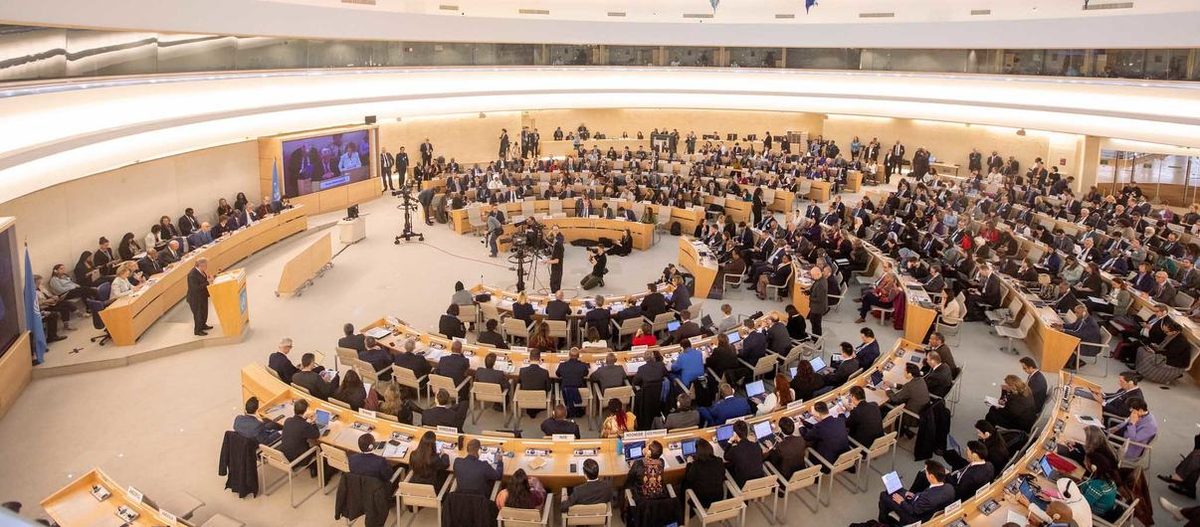
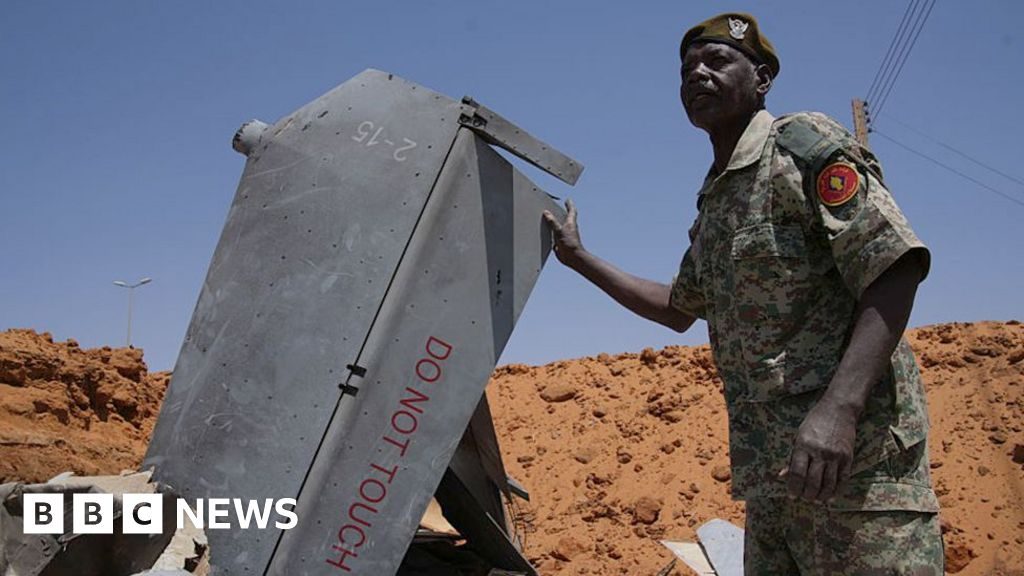
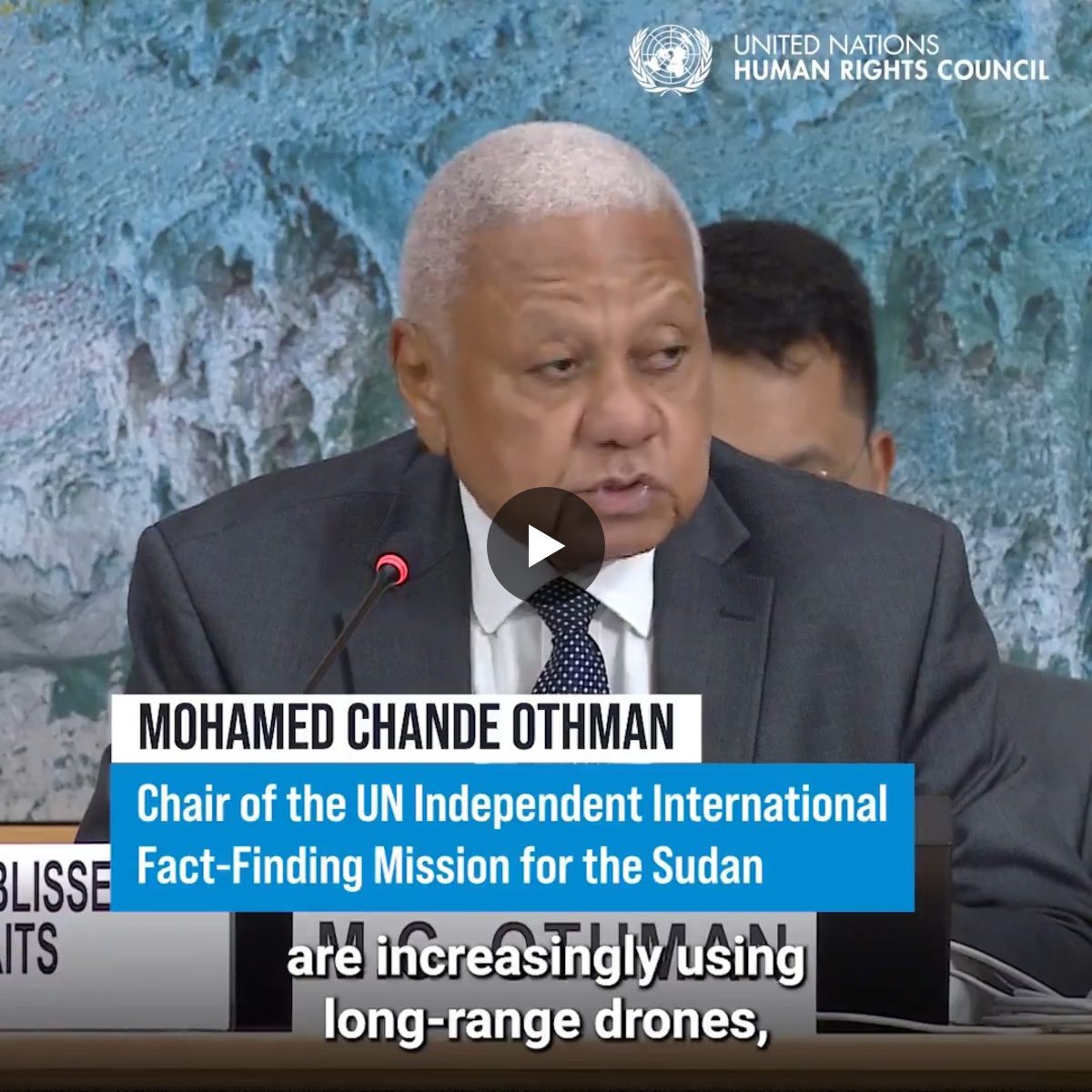
The UN Human Rights Council voted 28 to 10, with nine abstentions, to extend its Sudan fact-finding mission for another year and demand an immediate ceasefire without preconditions. The resolution condemns drone strikes and indiscriminate attacks that have killed civilians and destroyed hospitals, schools, and other critical infrastructure.

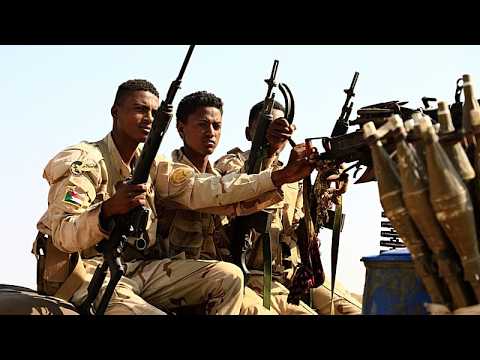
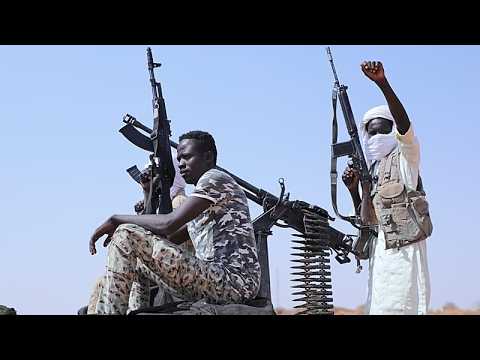
Sudan's army and the Rapid Support Forces have fought since April 2023, killing more than 200,000 people and displacing over 13 million. The council said there is "no military solution" and named an illicit network of weapons, drones, and mercenaries that keeps the war fueled. The renewed mandate gives investigators another year to build evidence for future prosecutions.

Why it matters

The renewed UN probe preserves evidence for war-crimes trials while pressuring two armies to stop a war that has displaced 13 million people.

Questions about this story

Free account needed to ask — your question is kept and asked for you right after sign-up. Answers are public.

No questions yet — be the first to ask.

Key Indicators

28
UN member states voting to extend the mission
A record level of support; Gambia, Mauritius, and Malawi joined for the first time.
10
States voting against the resolution
Included China, Egypt, Pakistan, and Qatar.
200K+
Estimated killed since April 2023
Aid worker estimate cited by Agence France-Presse.
13M+
People displaced by the war
Includes 11.3 million internally displaced and 4.6 million refugees abroad.
33M
People in need of humanitarian assistance
With 19.5 million facing severe food insecurity, per the resolution's text.

Voices

Curated perspectives — historical figures and your fellow readers.

Ever wondered what historical figures would say about today's headlines?

Sign up to generate historical perspectives on this story.

People Involved

Organizations Involved

Timeline

April 2023 October 2026

6 events Latest: 2 days ago
Tap a bar to jump to that date
  1. Council demands ceasefire, extends probe

    Latest Resolution

    The Human Rights Council votes 28-10 to renew the mandate and call for an unconditional ceasefire.

  2. War breaks out in Khartoum

    Conflict

    Sudan's army and the RSF clash after months of tension, igniting a nationwide war.

Scenarios

1

Sudan's warring sides sign a ceasefire and open talks

Possible Resolves by Q2 2027

Discussed by: Human Rights Watch and the resolution's own language

The resolution demands an unconditional ceasefire and a civilian-led political transition, with an independent monitoring mechanism. For this to happen, both the army and the RSF would have to accept that mechanism and negotiate a settlement. The record so far is thin: neither side has shown willingness to stop after three and a half years of fighting. Trigger: both sides announce a truce and enter talks.

2

UN extends Sudan probe again as the war grinds on

Likely Resolves by Oct 31, 2027

Discussed by: UN Human Rights Council voting patterns

The council has renewed the mission every October since 2023, and this vote drew record support, with Gambia, Mauritius, and Malawi joining for the first time. If the fighting continues, the most likely outcome is another one-year renewal at the next session rather than a peace breakthrough. Trigger: the war remains active and the council renews the mandate again.

3

Security Council refers all of Sudan to the ICC

Possible Resolves by Q2 2028

Discussed by: The resolution's call to expand ICC jurisdiction past Darfur

The ICC currently investigates only Darfur under a 2005 Security Council referral. The new resolution explicitly calls for coverage of all of Sudan. A full-country referral needs a Security Council vote, which has drawn opposition from some permanent members. Darfur shows the path exists: the 2005 referral produced genocide indictments against Omar al-Bashir. Trigger: a Security Council resolution referring the whole country.

Historical Context

3 moments from history that rhyme with this story — and how they unfolded.

2003-2004

Darfur genocide and the Janjaweed (2003-2004)

Government forces and the Janjaweed militias killed hundreds of thousands of civilians and drove millions from their homes in Darfur. The U.S. and the UN called the violence genocide while it unfolded, but the Security Council waited until 2005 to act.

Then

In 2005 the Security Council referred Darfur to the ICC, which in 2009 indicted then-president Omar al-Bashir for genocide.

Now

The RSF grew directly out of the Janjaweed, and the war's current commanders were shaped by that era.

Why this matters now

The RSF's assault on El Fasher echoes the Janjaweed's earlier campaigns, and the resolution pushes to extend ICC oversight beyond Darfur to all of Sudan.

2016 - present

UN Syria evidence mechanism (2016)

With no prospect of a criminal court for Syria, the UN General Assembly created the International, Impartial and Independent Mechanism in 2016 to collect and preserve evidence of atrocity crimes for future prosecution.

Then

The mechanism has built case files and shared evidence with national prosecutors as the war continued.

Now

It proved that evidence can be preserved while conflict rages, ready for trials years later.

Why this matters now

Sudan's fact-finding mission follows the same model: collecting evidence now for prosecutions after the war ends.

April-July 1994

Rwandan genocide (1994)

In about 100 days, Hutu extremists killed around 800,000 Tutsi and moderate Hutu. The UN peacekeeping force was too small to stop it, and the Security Council did not authorize force.

Then

The International Criminal Tribunal for Rwanda, created in late 1994, eventually convicted dozens of leaders for genocide.

Now

The failure to intervene became the defining case study of international inaction during genocide.

Why this matters now

The mission's "hallmarks of genocide" finding in El Fasher revives the question of whether the world will act on genocide warnings or wait for trials years later.

Sources

(8)